


Concrete Batching Plant Cost During Commissioning: Common Budget Overruns and Solutions
When investors evaluate a concrete batching plant business, they often focus on equipment price and production capacity. However, many unexpected expenses emerge during the commissioning stage, when the concrete plant transitions from installation to stable commercial operation. In practice, commissioning-related cost overruns can significantly affect the total investment and delay returns, especially for buyers purchasing a concrete plant for sale without a clear understanding of on-site realities.
This article analyzes the main reasons why concrete batching plant cost increases during commissioning and provides practical solutions to control budgets while ensuring smooth start-up and long-term performance.
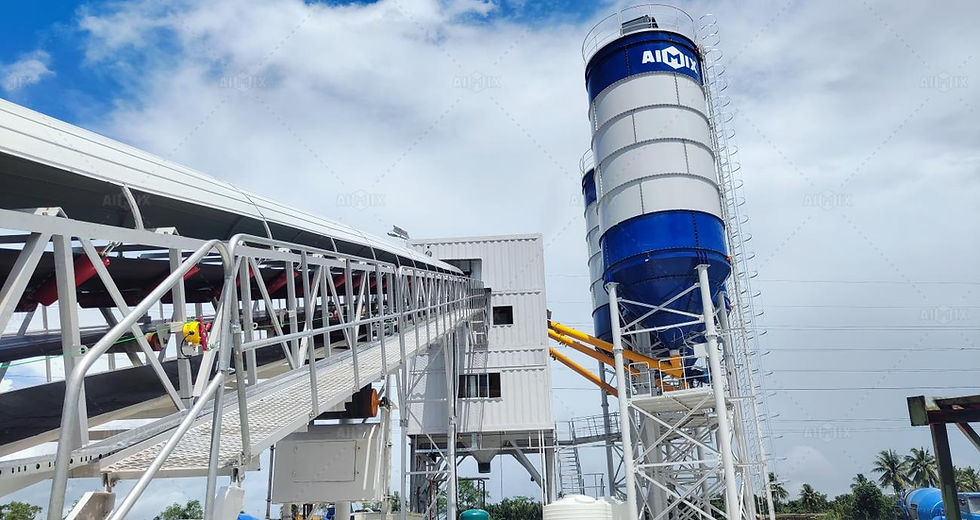
Understanding Commissioning Costs in a Concrete Batching Plant Business
Commissioning refers to the period when the concrete batching plant is installed, tested, calibrated, and officially put into production. Costs at this stage typically include:
Mechanical and electrical installation
Control system debugging and calibration
Trial production and mix testing
Operator training and safety checks
Rectification of installation or design issues
While these activities are expected, cost overruns often occur due to underestimated site complexity, insufficient planning, or unclear responsibilities between the supplier and the buyer.
Common Budget Overruns During Commissioning
1. Inadequate Site Preparation
One of the most common reasons for increased concrete batching plant cost is poor site readiness. Uneven ground, weak foundations, or limited access roads may require additional civil works after equipment arrives.
For a concrete batching plant business, this leads to:
Extra excavation and concrete foundation work
Delays in installation schedules
Additional labor and machinery costs
Solution:Conduct a detailed site survey before purchasing a concrete plant for sale. Suppliers with commissioning experience can provide foundation drawings and site requirement checklists to avoid rework.
2. Electrical and Utility Mismatches
Commissioning often reveals mismatches between plant requirements and on-site utilities, such as:
Insufficient power capacity
Voltage instability
Lack of water pressure or storage
These issues force buyers to upgrade transformers, generators, or water systems, increasing concrete batching plant cost unexpectedly.
Solution:Verify power, water, and compressed air requirements during the pre-sales stage. A professional supplier will provide detailed utility specifications as part of the concrete plant for sale package.
3. Extended Debugging and Trial Runs
Trial production is necessary to ensure mix accuracy and system stability. However, repeated debugging caused by poor calibration, software unfamiliarity, or component incompatibility can extend commissioning time.
Longer commissioning means:
Higher labor costs
Increased energy consumption
Delayed commercial operation
Solution:Choose a concrete batching plant business partner that provides on-site commissioning engineers or remote technical support. Well-designed automation systems and standardized components significantly reduce debugging time.
4. Operator Training Gaps
Many cost overruns occur because operators are not fully trained when commissioning begins. Mistakes during early operation can cause material waste, equipment damage, and repeated adjustments.
This hidden cost is especially common when buyers select a low-priced concrete plant for sale without considering training support.
Solution:Include structured operator and maintenance training in the purchase contract. Proper training improves commissioning efficiency and reduces long-term operating costs.
5. Safety and Compliance Adjustments
During commissioning, safety inspections or regulatory checks may require additional investments in:
Dust collection systems
Noise reduction measures
Safety guards and emergency systems
These compliance-related upgrades can increase concrete batching plant cost if not planned in advance.
Solution:Understand local environmental and safety regulations before equipment delivery. Reputable concrete batching plant business suppliers design plants with compliance in mind, reducing last-minute modifications.

Hidden Costs Often Overlooked by Buyers
Beyond obvious expenses, commissioning may expose hidden costs such as:
Spare parts consumption during trial runs
Temporary storage and handling of raw materials
Accommodation and logistics for installation teams
Buyers focusing only on the advertised price of a concrete plant for sale may underestimate these indirect costs, affecting cash flow during the early stages of the project.
Strategies to Control Commissioning Costs
1. Choose the Right Supplier, Not Just the Lowest Price
A low upfront price does not always mean a lower total concrete batching plant cost. Suppliers with strong commissioning experience often help reduce delays, errors, and rework.
For a sustainable concrete batching plant business, after-sales service and technical support are as important as equipment price.
2. Clarify Scope of Supply and Responsibilities
Clearly define:
Who handles installation supervision
Who is responsible for commissioning and testing
What costs are included or excluded
This transparency prevents disputes and unexpected charges during commissioning.
3. Plan Commissioning as Part of the Business Model
Commissioning should be integrated into the overall business plan, not treated as a short technical phase. Budgeting for commissioning ensures smoother cash flow and faster return on investment.
A well-planned commissioning phase helps a concrete batching plant business reach stable production sooner, especially in competitive markets.
Long-Term Value Beyond Commissioning
While commissioning-related costs may seem burdensome, effective commissioning delivers long-term benefits:
Stable production quality
Reduced maintenance issues
Higher plant utilization rates
For buyers evaluating a concrete plant for sale, understanding commissioning costs provides a more realistic view of total investment and lifecycle value.

Conclusion
Concrete batching plant cost during commissioning is often underestimated, yet it plays a critical role in the success of a concrete batching plant business. Common budget overruns stem from site preparation issues, utility mismatches, extended debugging, training gaps, and compliance adjustments.
By choosing experienced suppliers, preparing sites properly, investing in training, and planning commissioning as part of the overall strategy, investors can control costs and accelerate profitability. Ultimately, a well-commissioned concrete plant for sale is not just an expense—it is a foundation for long-term operational success and sustainable growth.

Comments