


How Much Does a Concrete Batch Plant Cost and What Is the Expected ROI
Investing in a concrete batch plant can be a profitable business opportunity, especially in regions experiencing rapid infrastructure development and urbanization. However, before making a purchase, investors often ask two important questions: How much does a concrete batch plant cost, and how quickly can the investment generate a return? The answer depends on several factors, including plant capacity, configuration, project requirements, and operating efficiency. Understanding both the initial investment and long-term profitability is essential for making an informed decision.
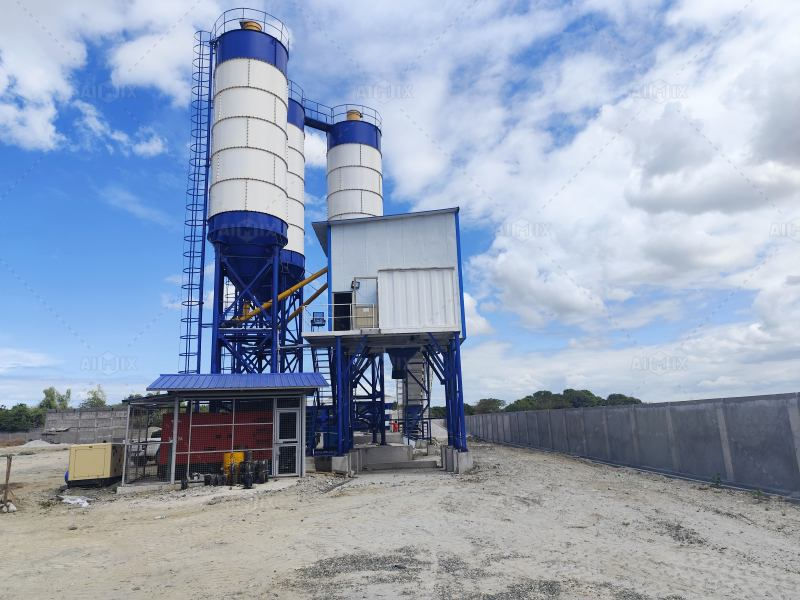
How Much Does a Concrete Batch Plant Cost?
The price of a concrete batch plant can vary significantly depending on its production capacity and equipment configuration. Small plants with capacities of 25–35 m³/h generally start at around $30,000–$60,000, while medium-sized plants ranging from 50–90 m³/h often cost between $60,000 and $150,000. Large commercial plants with capacities of 120–240 m³/h can exceed $200,000 or more, especially when equipped with advanced automation systems.
Beyond the batching equipment itself, investors should also consider additional costs such as cement silos, aggregate storage systems, foundations, installation, transportation, operator training, and local permits. These expenses can account for a substantial portion of the total investment and should be included in any project budget.
Another important factor is customization. Features such as twin-shaft mixers, environmental protection systems, dust collectors, water recycling units, and intelligent control systems can increase the initial purchase price but may reduce operating costs over the long term.
What Factors Affect Concrete Batch Plant Cost?
Production capacity is often the biggest factor affecting plant cost. Higher-capacity plants require larger mixers, stronger structures, more storage space, and more sophisticated control systems. As a result, larger plants generally involve higher upfront investment but can achieve lower production costs per cubic meter of concrete.
Plant type also plays an important role. Stationary concrete batch plants are designed for long-term production and typically offer higher capacities. Mobile concrete batching plants, on the other hand, are designed for easy transportation and quick installation. Although mobile plants may have slightly higher manufacturing costs for their capacity, they can save money on relocation and site preparation.
The manufacturer's reputation, quality standards, and after-sales service can also influence pricing. Many buyers choose a China batching plant because Chinese manufacturers offer competitive pricing, a wide range of configurations, and extensive export experience. When selecting a supplier, however, buyers should evaluate not only the purchase price but also equipment quality, spare parts availability, and technical support.
Understanding Concrete Batch Plant ROI
Return on investment (ROI) depends on the relationship between production costs and concrete sales revenue. In many markets, commercial concrete producers can generate stable income from construction companies, infrastructure contractors, and government projects.
For example, a medium-sized plant producing 60 m³/h may operate several hours per day and sell thousands of cubic meters of concrete each month. If demand remains strong and operating costs are well controlled, the investment may be recovered within one to three years. Actual payback periods vary based on local market conditions, concrete prices, utilization rates, and operational efficiency.
One factor that significantly impacts ROI is plant utilization. A batching plant operating consistently at moderate to high capacity generally achieves better profitability than a larger plant running far below its design capacity. Therefore, matching plant size to market demand is critical for maximizing returns.

How to Start a Concrete Batching Plant Business
For entrepreneurs wondering how to start a concrete batching plant business, the first step is conducting a thorough market analysis. Before investing, it is important to evaluate local demand for ready-mix concrete, identify potential customers, and assess competition in the area.
The second step is selecting the right equipment. Investors should choose a plant capacity that aligns with expected demand rather than simply purchasing the largest available model. Factors such as site size, transportation access, raw material supply, and future expansion plans should also be considered during equipment selection.
Finally, successful operation requires proper planning for staffing, maintenance, quality control, and compliance with local regulations. Working with an experienced batching plant manufacturer can simplify installation, commissioning, operator training, and after-sales support, reducing operational risks during the startup phase.
How to Improve ROI and Reduce Costs
One of the most effective ways to improve ROI is to optimize production efficiency. Automated control systems can reduce material waste, improve batching accuracy, and minimize labor requirements. Even small improvements in efficiency can have a significant impact on profitability over time.
Preventive maintenance is another important strategy. Regular inspections and timely replacement of wear parts can reduce unexpected downtime and extend equipment lifespan. Since production interruptions directly affect revenue, maintaining reliable equipment performance is essential.
Investors should also focus on securing long-term supply contracts and stable customer relationships. Consistent demand improves plant utilization and helps generate predictable cash flow, making it easier to recover the initial investment and achieve sustainable growth.

Conclusion
The cost of a concrete batch plant typically ranges from tens of thousands to several hundred thousand dollars, depending on capacity, configuration, and project requirements. However, purchase price alone does not determine profitability. A successful investment requires careful consideration of operating costs, market demand, production efficiency, and long-term business planning. Whether you are exploring how to start a concrete batching plant business or evaluating a China batching plant supplier, focusing on both total investment cost and expected ROI will help you make a smarter and more profitable decision.

Comments