


RMC Plant Cost vs. Revenue Potential in Infrastructure Projects
- aimixglobal5
- Feb 25
- 4 min read
In the rapidly developing infrastructure landscape of countries like Bangladesh, investing in a Ready Mix Concrete (RMC) plant can be a profitable long‑term business. As cities expand and transport networks grow, demand for consistent, high‑quality concrete is rising—making RMC plants central to modern construction. However, understanding the RMC plant cost and its revenue potential is essential before entering this competitive market.
This article breaks down the key elements of cost, expected revenue streams, and practical steps on how to start RMC plant operations, with a focus on opportunities relevant to the ready mix concrete plant in Bangladesh market.

1. What Is a Ready Mix Concrete (RMC) Plant?
A Ready Mix Concrete plant is a facility that produces concrete in precise mixtures according to customer specifications and delivers it to construction sites in transit mixers. Unlike traditional concrete production at on‑site batching locations, RMC plants centralize production, improve quality control, and lower wastage—dramatically improving efficiency for large infrastructure projects.
2. Understanding RMC Plant Cost Components
Before evaluating revenue potential, it’s crucial to break down the major cost centers associated with establishing and operating an RMC plant.
a. Capital Expenditure (CAPEX)
This includes all upfront expenses required to bring an RMC plant into operation:
Land Acquisition: Enough space is needed for batching units, storage yards, office, and vehicle movement. In urban or peri‑urban areas, land cost can be the single largest upfront expense.
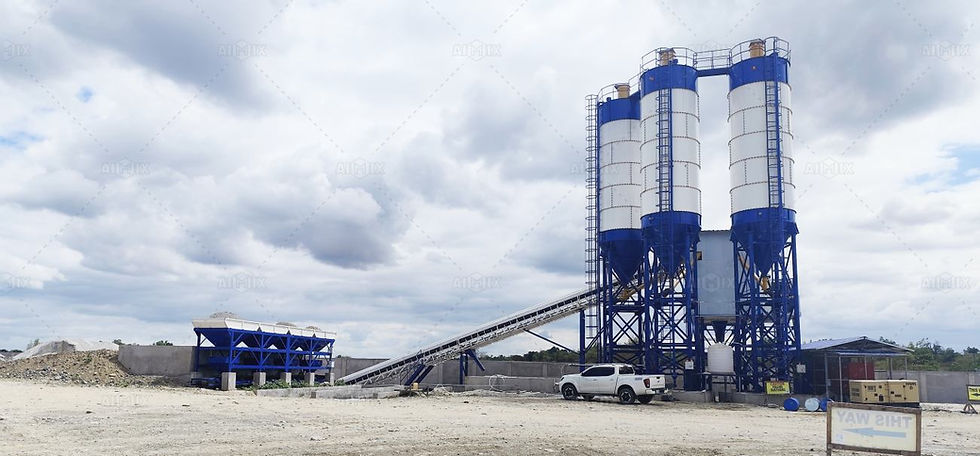
Plant & Machinery: Major equipment includes concrete mixers, cement silos, aggregate bins, conveyor systems, control panels, water system, and backup power units.
Transit Mixers: These vehicles deliver the concrete to job sites. A fleet of 3–10 transit mixers is typical for a mid‑sized plant.
Infrastructure & Utilities: Site development, office setup, electricity, water connection, drainage, and safety systems.
Installation & Testing: Commissioning the plant and testing initial concrete batches for quality compliance.
The total investment for a medium capacity plant (e.g., 60–120 cubic meters per hour) can range widely depending on location and specifications. In Bangladesh, capital costs can fluctuate based on land prices, import duties on machinery, and contractor preferences.
b. Operating Costs
Once running, the plant incurs ongoing expenses:
Raw Materials: Cement, sand, aggregates, admixtures, and water.
Fuel & Electricity: Power to run mixers, cranes, and lighting.
Labor Costs: Skilled operators, drivers, supervisors, and administrative staff.
Maintenance: Scheduled servicing, parts replacement, calibration, and breakdown repairs.
Logistics: Fuel and maintenance for transit mixers and delivery scheduling.
Managing operating costs effectively is key to maintaining profitability, especially when prices of raw materials are volatile.

3. Revenue Streams and Profit Potential
Despite significant investment, an RMC plant has multiple revenue potential channels, especially in regions with strong construction demand.
a. Direct Sales to Construction Projects
The most obvious revenue source arises from supplying ready mix concrete to:
Road and Highway Projects
Bridges and Flyovers
Commercial Complexes
High‑Rise Residential Buildings
Industrial Projects
Contractors often prefer RMC suppliers for reliability, consistency, and on‑time delivery—making long‑term contracts common.
b. Premium Products and Services
By offering specialized concrete variants—such as high‑strength, fiber‑reinforced, self‑compacting, or colored concrete—plants can charge a premium per cubic meter.
c. Logistics and Value‑Added Services
Charging for prioritized delivery slots, dedicated site batching, or real‑time quality reports enhances revenue without major equipment costs.
d. Scaling with Demand
Infrastructure spending in Bangladesh, including urban metro lines, expressways, and industrial parks, consistently increases demand for quality concrete. A ready mix concrete plant in Bangladesh that establishes strong contractor relationships can secure multi‑year supply contracts.
4. Estimating Profit Margins
Profitability in an RMC plant depends on efficient cost management and volume.
Gross Margin: Often between 15% and 25% per cubic meter, depending on competition and raw material costs.
Break‑Even: Typically achieved within 2–4 years for a well‑located, well‑managed plant.
Net Profit: After operating expenses, smart logistics planning and long‑term contracts can lift net margins to 10–15%.
In high‑growth economies like Bangladesh, where infrastructure development is a government priority, projects often offer consistent work and relatively stable pricing—strengthening revenue predictability.
5. How to Start RMC Plant: Step‑by‑Step
a. Conduct Market Research
Evaluate the demand for concrete in targeted districts or cities.
Understand competitors, price points, and customer preferences.
Identify long‑term infrastructure projects (roads, bridges, housing).
b. Create a Business Plan
A solid plan should include:
Projected CAPEX and OPEX
Cash‑flow forecast
Pricing strategy based on local market rates
Risk and sensitivity analysis
c. Choose a Strategic Location
Proximity to raw materials (aggregates, cement), reliable power, and major roads reduces logistics costs and improves delivery timing.
d. Procure Equipment
Identify suppliers for batching plants, transit mixers, and ancillary systems. Consider modular or mobile plants to reduce initial budgets.
e. Regulatory Compliance and Licensing
Acquire permits for land use, environmental clearances, safety certificates, and business registration. RMC plants must comply with national construction quality standards.
f. Recruit and Train Staff
Hire qualified plant operators, dispatchers, quality controllers, and logistics personnel. Training creates consistency in quality and safety.
g. Marketing and Client Acquisition
Develop relationships with contractors, developers, and government agencies. Offering pilot batches and quality demonstrations builds trust.
h. Implement Technology and Quality Controls
Real‑time monitoring, automated batching systems, and quality testing labs ensure consistency—critical for infrastructure project specifications.
6. Challenges to Anticipate
Raw Material Price Fluctuations: Cement and aggregate prices can impact margins.
Competition: Established suppliers may offer aggressive bids.
Logistics Issues: Traffic congestion and transport bottlenecks affect delivery schedules.
Conclusion: Balancing Cost With Market Opportunity
Investing in a ready mix concrete plant in Bangladesh can deliver strong revenue potential when aligned with robust infrastructure demand. Although RMC plant cost—both in upfront investment and ongoing operations—is significant, disciplined planning, effective logistics, and quality focus can create sustainable profits. For entrepreneurs wondering how to start RMC plant, a clear roadmap combined with local market understanding is the key to success in this vital sector of construction.

Comments