


Can A 120 TPH Asphalt Plant Meet 800 Tons/Day Paving Demand In Kazakhstan?
When planning a road project in Kazakhstan, one key question often comes up: can a 120 TPH asphalt plant reliably meet a daily paving demand of 800 tons? At first glance, the answer seems simple. However, real construction conditions are never that straightforward. Factors such as working hours, climate, logistics, and plant efficiency all play a role.
In this article, we break down the numbers and combine them with real project insights. This will help you understand whether a 120 TPH reliable asphalt plant is the right choice for your project. More importantly, it will guide you in making a confident and cost-effective decision.
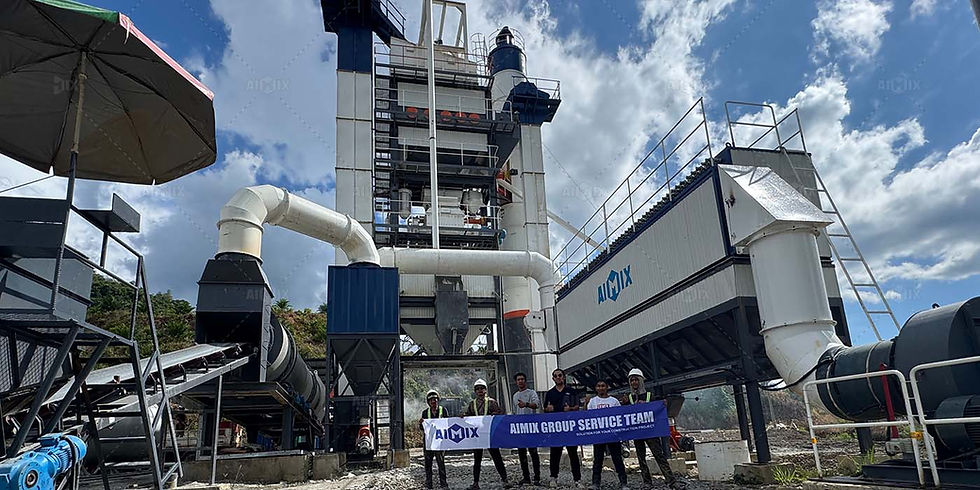
Understanding The Real Meaning Of 120 TPH Capacity
Before jumping into calculations, it is important to understand what “120 TPH” actually means in practice.
A 120 TPH asphalt plant refers to its theoretical maximum output under ideal conditions. These conditions include dry aggregates, stable fuel supply, and continuous operation. However, real job sites in Kazakhstan rarely match these ideal conditions.
In reality, most contractors achieve about 70% to 90% of the rated capacity. Therefore, the effective production range is usually between 84 tons/hour and 108 tons/hour.
This difference matters. It directly impacts whether your plant can meet daily demand without overtime or delays.
Breaking Down The 800 Tons/Day Requirement
Now let’s translate the project requirement into practical production targets.
If your paving demand is 800 tons per day, the required hourly output depends on your working hours:
Scenario 1: 8 Working Hours Per Day
800 ÷ 8 = 100 tons/hour
This means your plant must consistently deliver 100 TPH.
Scenario 2: 10 Working Hours Per Day
800 ÷ 10 = 80 tons/hour
This is more manageable and allows for some buffer.
Scenario 3: 12 Working Hours Per Day
800 ÷ 12 ≈ 67 tons/hour
This is a very comfortable range for a 120 TPH plant.
Clearly, working hours play a key role. Short schedules require higher efficiency, while longer shifts provide flexibility.

Can A 120 TPH Asphalt Plant Meet The Demand?
Now that we understand both capacity and demand, we can combine them for a realistic answer.
Yes, a 120 TPH asphalt plant can meet 800 tons/day demand in Kazakhstan. However, this depends on how the project is managed.
If you operate 10–12 hours per day, the plant can meet the requirement comfortably. Even with efficiency losses, the output remains sufficient.
However, if you plan to work only 8 hours per day, the situation becomes tighter. You will need stable material supply, skilled operators, and minimal downtime.
In short, the plant is capable, but the operation strategy determines success.
Key Factors That Affect Daily Production In Kazakhstan
Beyond basic calculations, several real-world factors influence performance. Understanding these factors helps you avoid costly surprises.
1. Climate And Temperature Conditions
Kazakhstan experiences extreme temperatures, especially in winter. Cold weather increases fuel consumption and reduces drying efficiency.
As a result, plant output may drop if the system is not properly configured for low temperatures.
2. Aggregate Moisture Content
High moisture content in aggregates reduces production efficiency. The dryer needs more time and energy to remove water.
This directly lowers hourly output.
3. Material Supply And Logistics
Even the best asphalt plant cannot run without steady aggregate supply. Delays in transportation can stop production completely.
Therefore, reliable logistics planning is essential.
4. Operator Experience
Skilled operators can maintain stable production. They adjust parameters quickly and reduce waste.
In contrast, inexperienced teams often cause fluctuations in output.
5. Equipment Maintenance
Regular maintenance keeps the plant running efficiently. Poor maintenance leads to unexpected breakdowns and lost production time.
All these factors work together. Ignoring even one can reduce your daily output significantly.

How To Ensure A 120 TPH Plant Meets Your Project Needs
Knowing the risks is important, but taking action is even more critical. Let’s look at practical strategies to ensure your plant delivers.
Optimize Working Hours
First, consider extending working hours to 10–12 hours per day. This reduces pressure on hourly output and improves consistency.
Use Pre-Heated Or Well-Managed Aggregates
Second, manage aggregate moisture carefully. Store materials properly to reduce water content.
Choose The Right Plant Configuration
For Kazakhstan conditions, insulation and cold-weather design are essential. A properly configured plant performs better in harsh climates.
Build A Reliable Supply Chain
Ensure steady delivery of aggregates and bitumen. Plan transportation routes and backup options.
Train Your Team
Invest in operator training. A skilled team can increase efficiency by 10% or more.
These steps may seem simple, but they make a big difference in daily production.
Comparing 120 TPH With Larger Capacity Options
Some contractors may wonder whether to choose a larger plant. This is a valid question, especially for long-term projects.
A 160 TPH asphalt batch plant offers higher output and more buffer. It can easily meet 800 tons/day even within shorter working hours.
However, larger plants also come with higher investment and operating costs. If your project demand is stable at 800 tons/day, a 120 TPH plant often provides the best balance.
Therefore, the decision depends on your project duration, budget, and future plans.

Real Project Insight: What Contractors Often Overlook
From real project experience, many contractors focus only on plant capacity. However, they overlook operational details.
For example, some projects fail to meet targets due to poor logistics, not insufficient plant capacity. Others struggle because of untrained operators or lack of spare parts.
This shows an important lesson: equipment is only part of the solution. A complete system approach is the key to success.
Conclusion: Is A 120 TPH Asphalt Plant The Right Choice?
To sum up, a 120 TPH asphalt plant can meet an 800 tons/day paving demand in Kazakhstan under the right conditions.
If you plan your working hours well, manage materials efficiently, and maintain the equipment properly, the plant will perform reliably. In fact, many contractors achieve this target with a comfortable margin.
However, success depends on more than just the machine. It requires proper planning, skilled operation, and strong logistics support.

Ready To Match Your Asphalt Plant With Your Project?
If you are planning a road project in Kazakhstan or similar regions, choosing the right asphalt plant is a critical step. A well-matched solution can save costs, improve efficiency, and reduce risks.
Our team can help you evaluate your project requirements and recommend the most suitable configuration. Whether you need a 120 TPH hot mix asphalt plant for sale or a higher capacity option, we provide practical solutions based on real project experience.
Contact us today to discuss your project. Let’s make sure your asphalt production keeps up with your paving schedule—without compromise.


Comments