


Can A 120 TPH Asphalt Plant Meet Uzbekistan National Highway Modernization Projects Of 50–150 Km Length?
Uzbekistan is investing heavily in national highway modernization. Many projects now range from 50 km to 150 km in length, connecting industrial zones, cities, and cross-border logistics corridors. As construction demand increases, contractors often face a key decision: what asphalt plant capacity can truly support these projects without causing delays or cost overruns?
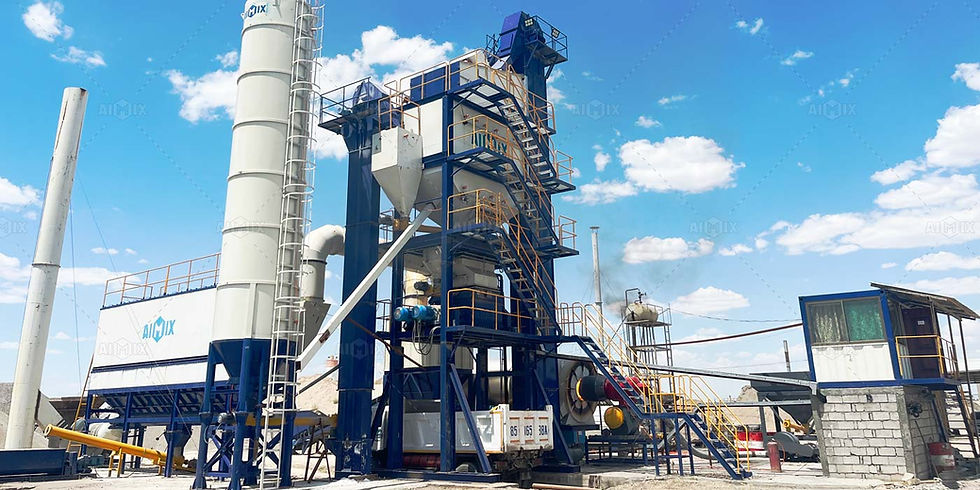
A 120 TPH asphalt plant for sale is one of the most commonly discussed capacities for medium to large road construction. But the real question is not only about production capacity. It is about project efficiency, logistics balance, material flow, and long-term operational stability. In this article, we will analyze whether a 120 TPH asphalt plant can realistically meet the needs of Uzbekistan’s highway modernization projects from a practical construction perspective.

Overview Of Uzbekistan Highway Construction Demand
Uzbekistan’s national highway upgrades focus on improving connectivity between Tashkent, Samarkand, Bukhara, and industrial corridors. These projects often cover long distances, sometimes 50–150 km per section. As a result, contractors must ensure continuous asphalt supply with stable production cycles.
At the same time, construction conditions in Uzbekistan vary widely. Some regions face high temperature fluctuations, while others involve long-distance material transportation. Therefore, equipment selection must go beyond theoretical output. It must support real-world construction rhythm and logistics efficiency.
This brings us to a practical question: how does a 120 TPH asphalt plant perform under such conditions?
Understanding What A 120 TPH Asphalt Plant Really Means
A 120 TPH asphalt plant can produce around 120 tons of asphalt mixture per hour under standard operating conditions. However, real output depends on several factors such as aggregate moisture, fuel efficiency, operator skill, and maintenance cycle.
In general, a stable 120 TPH plant can support medium to large highway projects with continuous paving operations. But the key is not only peak output. The consistency of production over long working hours matters more in highway construction.
Production Stability Matters More Than Peak Capacity
In highway projects, paving does not stop and start frequently. Instead, contractors prefer continuous laying to ensure smooth surface quality. Therefore, a 120 TPH plant that runs steadily for long shifts often performs better than a larger plant with unstable operation.
Moreover, when asphalt temperature and mixing precision remain stable, road quality improves significantly. This directly reduces maintenance costs for the highway authority in the long term.
Can 120 TPH Meet A 50–150 Km Highway Project Demand?
To answer this question, we must analyze project scale, duration, and daily paving requirements. A 50–150 km highway project usually requires staged construction. It is not completed in a single continuous operation.
In most real cases, contractors divide the project into sections of 5–15 km. Each section requires a controlled asphalt supply chain. Therefore, the plant does not need to cover the entire project at once, but must support consistent daily output.
Daily Output Matching Construction Speed
If a highway paving team lays around 800–1500 tons per day, a 120 TPH asphalt mixing and batching plant operating 8–10 hours can easily meet this demand. Even with downtime and maintenance, it still provides enough buffer capacity.
In addition, when multiple paving teams operate in parallel, a 120 TPH plant can serve one main line efficiently or support staggered operations across different sections.
Therefore, from a practical construction standpoint, a 120 TPH asphalt plant is suitable for most 50–150 km highway projects in Uzbekistan, especially when logistics are well organized.
Key Factors That Decide Real Project Performance
Even though capacity is important, real success depends on several supporting factors. Many contractors overlook these details and later face delays or cost increases. Let us examine the most critical ones.
1. Aggregate Supply Distance
If aggregate quarries are far from the mixing plant, truck turnaround time increases. This directly affects paving continuity. Therefore, plant location planning is just as important as plant capacity.
2. Fuel And Energy Efficiency
Uzbekistan projects often operate in remote areas. Fuel cost becomes a major operational factor. A well-designed 120 TPH plant with optimized burner systems can significantly reduce operating costs over long projects.
3. Mixing Quality Stability
Highway construction demands strict asphalt quality control. Temperature consistency and mixing accuracy ensure long-lasting pavement performance. A stable 120 TPH plant reduces risk of segregation and uneven compaction.
4. Maintenance And Downtime Control
Unexpected shutdowns can disrupt the entire paving schedule. Therefore, ease of maintenance and availability of spare parts must be considered before choosing the equipment.
When all these factors are well managed, a 120 TPH plant becomes a reliable production core for highway modernization projects.

Advantages Of Using A 120 TPH Asphalt Plant In Uzbekistan
From a contractor’s perspective, a 120 TPH plant offers a balanced solution between cost, mobility, and output. It avoids the high investment pressure of larger plants while still supporting mid-to-large scale highway works.
Balanced Investment With Strong ROI
Compared to 160–240 TPH plants, a 120 TPH system requires lower initial investment. However, it still provides enough capacity for most national highway sections in Uzbekistan. This balance improves return on investment significantly.
Flexible Deployment Across Multiple Projects
Many contractors in Uzbekistan handle multiple road sections at the same time. A 120 TPH plant can be relocated or reused across different project sites, which increases utilization rate.
Lower Operational Risk
Smaller systems are often easier to manage. Operators can quickly learn and maintain stable production. This reduces human error and improves long-term reliability.
When A 120 TPH Plant May Not Be Enough
Although a 120 TPH asphalt plant fits most highway modernization needs, there are situations where it may not be sufficient.
For example, mega infrastructure projects exceeding 200 km with multiple simultaneous paving zones may require higher capacity plants, such as 160 TPH or 240 TPH systems. Additionally, if project deadlines are extremely tight, higher output becomes necessary.
Therefore, contractors should evaluate project scale, time constraints, and logistics before final equipment selection.

Practical Recommendation For Uzbekistan Contractors
Based on real construction patterns, a 120 TPH asphalt plant is a strong “standard choice” for Uzbekistan’s 50–150 km highway modernization projects. It provides enough production capacity while maintaining cost control and operational flexibility.
However, success depends not only on equipment selection. It also depends on smart planning, including plant location, transport coordination, and paving schedule optimization.
When these elements work together, a 120 TPH plant can deliver stable, high-quality asphalt supply throughout the entire project lifecycle.
Conclusion And Call To Action
In conclusion, a 120 TPH asphalt plant can effectively meet the needs of most Uzbekistan national highway modernization projects ranging from 50 km to 150 km. It offers a practical balance between production capacity, cost efficiency, and operational stability.
However, every project is unique. Factors such as logistics distance, construction speed, and material availability will influence final performance. Therefore, choosing the right configuration and layout is just as important as choosing the plant itself.
If you are planning a highway project in Uzbekistan and want a more precise configuration plan for your asphalt production system, we can help you evaluate your project scale, calculate daily output needs, and recommend the most cost-effective solution.
Contact an asphalt mixing plant supplier today to get a tailored asphalt plant solution for your Uzbekistan highway project and ensure your construction runs faster, smoother, and more profitably.


Comments