


Can A 90 TPH Asphalt Plant Produce Enough Asphalt For A 30 Km Highway Project?
Building a highway project requires careful planning of asphalt production, transportation, and construction schedules. For many road contractors, one important question appears before purchasing equipment: Can a 90 TPH asphalt plant produce enough asphalt for a 30 km highway project?
The answer depends on several practical factors, including highway width, asphalt pavement thickness, working hours, plant efficiency, and project duration. A 90 TPH asphalt mixing plant is a popular choice for medium-scale road construction because it balances production capacity, investment cost, and operational flexibility.
This article explains how a 90 TPH model asphalt plant works for a 30 km highway project. It also helps contractors understand production calculations, project conditions, and how to select a suitable asphalt production solution.

Understanding The Asphalt Demand Of A 30 Km Highway Project
Before choosing an asphalt plant, contractors need to estimate the total asphalt demand. A highway project is not only about road length. The pavement structure, lane number, asphalt thickness, and construction standards directly affect material requirements.
For example, a two-lane highway with a width of about 7 meters requires much less asphalt than a four-lane highway with a wider pavement area. Similarly, a highway rehabilitation project may need less asphalt compared with a completely new highway construction project.
Therefore, the first step is calculating the approximate asphalt mixture volume. Contractors usually consider these factors:
Highway length and pavement width.
Asphalt layer thickness.
Asphalt mixture density.
Construction schedule and daily production target.
Transportation distance between asphalt plant and paving site.
For most highway projects, accurate calculation helps avoid two common problems. A small plant may delay construction progress. An oversized plant may increase unnecessary investment and operating costs.
How Much Asphalt Can A 90 TPH Asphalt Plant Produce?
After understanding asphalt demand, the next question is production capacity. A 90 TPH hot mix plant for sale means the equipment can theoretically produce 90 tons of asphalt mixture per hour under ideal working conditions.
However, real construction environments are different from laboratory conditions. Factors such as material supply, maintenance, weather, operator skills, and transportation efficiency influence actual output.
Estimated Daily Production Of A 90 TPH Asphalt Plant
Assume a highway contractor operates the asphalt plant for 8 hours per day. The theoretical daily production can reach:
90 tons/hour × 8 hours = 720 tons/day
Considering normal efficiency losses, a realistic daily output may be around 600-680 tons of asphalt mixture.
If the project requires longer working hours, the daily production can increase significantly. For example, operating for 10 hours per day can provide approximately 900 tons of theoretical production capacity.
Therefore, a 90 TPH asphalt plant can provide stable asphalt supply for many medium-sized highway projects when the production schedule is properly planned.

Can A 90 TPH Asphalt Plant Complete A 30 Km Highway Project?
The answer is yes in many situations, but project conditions decide the final result. A 90 TPH asphalt plant is commonly suitable for highway construction, road expansion, and pavement rehabilitation projects with reasonable construction periods.
For example, consider a 30 km two-lane highway project. If the average asphalt requirement is around 100-150 tons per kilometer, the total asphalt demand may range from 3,000 to 4,500 tons for a specific asphalt layer.
With a daily production capacity of around 600 tons, a 90 TPH asphalt plant can complete this amount of asphalt production within approximately one week.
However, complete highway paving requires multiple asphalt layers, including base courses, binder courses, and surface courses. Therefore, the total project demand can be much higher.
For a full highway construction project, contractors usually evaluate the complete construction period rather than only the total asphalt quantity.
Example Calculation For Highway Asphalt Supply
Suppose a 30 km highway requires 15,000 tons of asphalt mixture.
A 90 TPH asphalt plant produces approximately 600 tons per working day.
15,000 tons ÷ 600 tons/day = about 25 working days.
This means the plant can support the project within one month under normal working conditions.
Additionally, contractors should consider paving speed, asphalt transportation, and weather conditions. A well-organized construction team can maximize the value of the asphalt plant.
Why Contractors Choose A 90 TPH Asphalt Plant For Highway Construction
Choosing an asphalt plant is not only about production capacity. Contractors also care about investment return, operation cost, mobility, and long-term reliability.
A 90 TPH asphalt plant provides several advantages for highway contractors.
Balanced Production Capacity
A 90 TPH asphalt plant offers enough output for many regional highway and road construction projects. At the same time, it avoids the high investment cost of very large asphalt plants.
For contractors handling multiple medium-scale projects, this capacity provides good flexibility.
Lower Investment Compared With Large Asphalt Plants
Large highway projects may require 160 TPH, 200 TPH, or higher capacity asphalt plants. However, not every contractor needs such large equipment.
A 90 TPH asphalt plant can reduce initial investment while still meeting many construction requirements.
As a result, contractors can improve project profitability and reduce financial pressure.
Suitable For Different Road Construction Applications
A 90 TPH asphalt plant is not limited to highway projects. It can also support:
Airport runway construction.
Urban road upgrades.
Industrial park roads.
Bridge approach road projects.
Road maintenance and rehabilitation.
Therefore, contractors can use one asphalt production solution for different projects throughout the year.
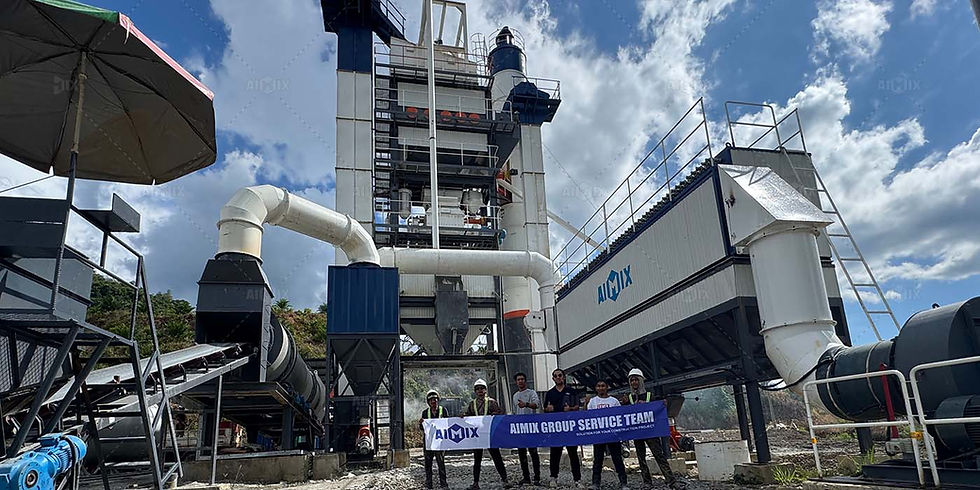
Key Factors That Affect A 90 TPH Asphalt Plant Performance
Although production capacity is important, several practical factors influence whether a 90 TPH asphalt plant can successfully support a highway project.
Raw Material Supply
A stable supply of aggregates, asphalt, and mineral filler is essential. Even a high-performance asphalt plant cannot maintain production without enough raw materials.
Contractors should prepare reliable suppliers before starting highway construction.
Transportation Distance
Asphalt mixture must remain at a suitable temperature during transportation. If the asphalt plant is too far from the paving site, transportation delays may affect paving quality.
Therefore, plant location is an important factor in highway project planning.
Equipment Reliability And Maintenance
Highway projects usually require continuous asphalt supply. Unexpected equipment downtime can delay the entire construction schedule.
Regular maintenance, spare parts availability, and professional technical support help keep the asphalt plant operating efficiently.
How To Select The Right Asphalt Plant For Your Highway Project
Selecting the right asphalt plant requires more than choosing a capacity number. A professional evaluation should consider your project scale, construction location, and future business plans.
Contractors should ask several important questions before purchasing:
How many tons of asphalt mixture are required daily?
How long is the construction period?
Is the project located near urban areas or remote regions?
Will the plant support future road projects?
What level of technical service is available?
For contractors working on continuous road projects, a 90 TPH asphalt plant can be an efficient investment. It provides reliable production without excessive equipment costs.

Improve Highway Construction Efficiency With The Right Asphalt Solution
A 30 km highway project requires accurate planning, reliable equipment, and efficient project management. A 90 TPH asphalt plant can produce enough asphalt for many highway construction projects when contractors match production capacity with actual project requirements.
The key is not simply choosing the biggest asphalt plant. The key is choosing a solution that fits your construction schedule, budget, and long-term development goals.
If you are planning a highway project and need a suitable asphalt production solution, contact our professional team. We can help analyze your asphalt demand, recommend the right plant capacity, and provide a customized solution for your road construction business.


Comments