


Can Owning An Asphalt Mixing Plant Reduce Road Construction Costs When Fuel Prices Increase By 30%?
Fuel price increases have become one of the biggest concerns for road construction companies around the world. When diesel, heavy oil, or other energy costs rise by 30%, contractors often face higher asphalt production costs, tighter project margins, and more pressure when bidding for highway projects.
For many contractors, the first question is whether buying an asphalt mixing plant can help control these increasing costs. The answer depends on the project scale, annual asphalt demand, plant utilization rate, transportation distance, and production management.
Owning an asphalt concrete plant does not automatically make every road project cheaper. However, for contractors with continuous asphalt demand, long-term highway contracts, or multiple infrastructure projects, producing asphalt in-house can provide more control over production costs, supply stability, and project scheduling.
Fuel is only one part of asphalt production cost. The real cost impact comes from the complete production system, including material transportation, asphalt supply distance, plant efficiency, maintenance, production capacity, and operation management. Energy consumption is a major factor because asphalt production requires heating aggregate, maintaining asphalt binder temperature, and operating production equipment.
Therefore, when fuel prices increase by 30%, contractors should not only ask “How much will fuel cost?” A more practical question is “Can owning and operating an asphalt mixing plant create enough control and efficiency to reduce the overall cost per ton of asphalt?”

1. Why Fuel Price Increases Create Pressure On Road Construction Costs
Before evaluating whether owning an asphalt mixing plant can reduce costs, contractors need to understand where fuel price increases affect the construction process.
Asphalt production requires continuous energy input. The plant must dry and heat aggregates, heat asphalt binder, maintain mixing temperatures, and transport materials through different production stages. Among these processes, aggregate drying is usually one of the largest energy-consuming operations in an asphalt plant.
When fuel prices rise by 30%, the increase can affect several areas at the same time:
Asphalt purchase price: External suppliers may increase asphalt prices because their own production costs increase.
Transportation cost: Longer distances between asphalt suppliers and construction sites create higher fuel consumption.
Project scheduling: Limited asphalt supply can delay paving operations.
Profit margin: Contractors may have less flexibility when project costs increase after contract signing.
Bidding competitiveness: Higher production uncertainty makes it harder to calculate accurate project costs.
For example, a contractor purchasing asphalt from an external supplier does not only pay for asphalt material. The price usually includes the supplier’s production cost, energy cost, transportation cost, and profit margin.
Therefore, when fuel prices rise significantly, contractors depending completely on outside asphalt suppliers may have fewer options to control their final construction costs.
2. How Owning An Asphalt Mixing Plant Changes Cost Control
Once contractors produce asphalt by themselves, they gain more direct control over the production process. However, the value does not come only from avoiding supplier prices. The main advantage comes from controlling several cost factors together.
Instead of buying finished asphalt at a changing market price, contractors can manage their own production schedule, raw material purchasing, and plant operation strategy.
Direct Cost Control Benefits Of Owning A Plant
Control Over Production Cost: Contractors can monitor fuel consumption, electricity usage, labor cost, and maintenance expenses directly.
Reduced Dependence On External Suppliers: The contractor does not need to rely completely on local asphalt suppliers during busy construction seasons.
Better Material Purchasing Strategy: Aggregates and bitumen can be purchased according to project demand and stored when market conditions are favorable.
Lower Transportation Pressure: A properly located asphalt plant can reduce long-distance asphalt transportation.
Flexible Production Planning: Contractors can produce asphalt according to daily paving requirements.
However, owning a plant also creates new responsibilities. Contractors must consider equipment investment, operators, maintenance, spare parts, environmental requirements, and production management.
Therefore, the key issue is not simply whether owning a plant is cheaper. The real question is whether the expected asphalt production volume is large enough to justify the investment.
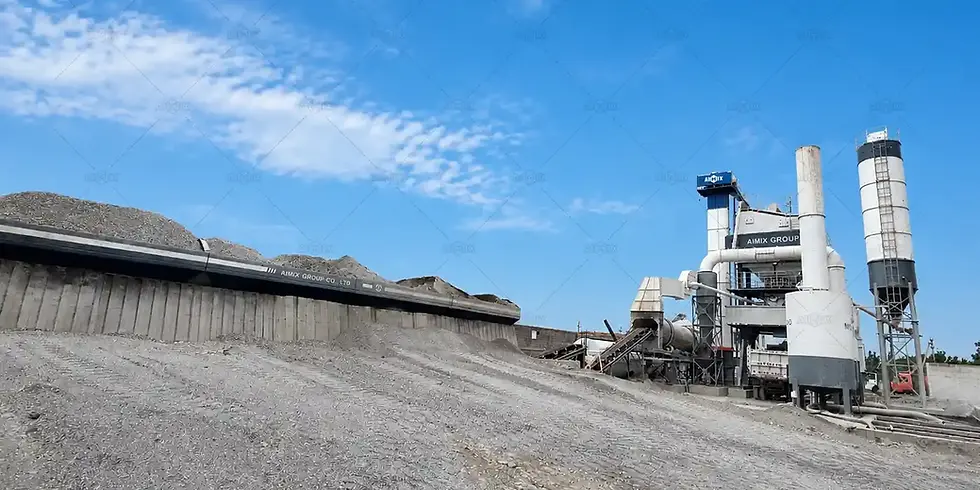
3. When Does Owning An Asphalt Mixing Plant Make Financial Sense?
The economic value of owning an asphalt mixing plant depends heavily on utilization. A plant that operates only a few days per year may not generate enough savings to recover the investment. In contrast, a plant operating regularly for highway, municipal, airport, or commercial projects can spread the fixed cost across more tons of asphalt.
Generally, ownership becomes more attractive in the following situations.
Long-Term Highway Contracts
Highway projects usually require large and continuous asphalt volumes. When a contractor has several months or years of paving work, owning a plant can provide more predictable production costs.
Instead of negotiating asphalt prices for every delivery, the contractor can focus on improving internal production efficiency.
Large Daily Asphalt Demand
If a project requires hundreds or thousands of tons of asphalt every day, transportation and supplier margins can become significant costs.
For example, a contractor operating near a highway project may benefit from producing asphalt closer to the paving location. Shorter transportation distances can reduce truck waiting time and fuel consumption.
Multiple Construction Projects
A single highway project may not always justify plant ownership. However, contractors working on multiple roads, industrial areas, airports, or urban infrastructure projects may achieve higher plant utilization.
As a result, the plant becomes a long-term production asset rather than a machine used for only one project.
4. How An Efficient Asphalt Plant Helps Reduce Fuel Impact
When fuel prices increase by 30%, improving plant efficiency becomes one of the most practical ways to reduce cost pressure.
A modern asphalt mixing plant cannot eliminate fuel costs. However, it can reduce unnecessary fuel consumption through better design, automation, and operation management.
Important Features That Influence Fuel Efficiency
Efficient Dryer System: The dryer directly affects how much energy is required to remove moisture from aggregates.
Advanced Burner Control: Automatic burner adjustment can help maintain stable heating performance.
Accurate Temperature Control: Prevents unnecessary overheating and energy waste.
Proper Production Capacity: A plant operating close to its designed capacity often performs more efficiently than one running at very low output.
Automation System: Automated control reduces operation mistakes and improves production consistency.
Regular Maintenance: Clean filters, proper burner adjustment, and maintained components help avoid efficiency losses.
For this reason, contractors should not compare asphalt plants only by purchase price. A lower initial investment may lead to higher operating costs if the plant consumes more fuel or requires frequent downtime.
Long-term projects require a different evaluation method. The contractor should calculate the cost per ton of asphalt over the expected service life of the plant.

5. Reducing Transportation Costs Through Local Asphalt Production
Fuel price increases do not only affect the asphalt plant itself. They also influence asphalt transportation.
Hot mix asphalt has temperature requirements. The material needs to arrive at the paving site within an appropriate working condition. Therefore, long transportation distances can create additional challenges.
When contractors own an asphalt mixing plant near their project area, they may reduce several transportation-related costs.
Transportation Advantages Of Local Production
Shorter truck travel distance.
Lower diesel consumption for asphalt hauling.
Reduced waiting time between plant and paving site.
Better control over delivery schedules.
Lower risk of asphalt temperature loss during transportation.
This advantage becomes more noticeable when fuel prices increase. A transportation route that was acceptable when fuel costs were lower may become expensive after a significant price increase.
Therefore, plant location should be part of the cost analysis when contractors consider purchasing an asphalt mixing plant.
6. Comparing The Cost Of Buying Asphalt From Suppliers Vs Producing Asphalt Yourself
For contractors considering an asphalt mixing plant investment, one of the most important comparisons is between purchasing asphalt from external suppliers and producing asphalt internally.
Both options have advantages. Buying asphalt requires less initial investment because the contractor does not need to purchase equipment, build a plant site, or manage production operations. However, the contractor has less control over asphalt price, supply availability, and delivery schedule.
On the other hand, owning an asphalt mixing plant requires higher initial investment, but it gives the contractor more control over long-term production costs.
External Asphalt Supply Model
Lower Initial Investment: No need to purchase asphalt plant equipment.
Simple Operation: The contractor focuses mainly on paving activities.
Less Equipment Responsibility: Maintenance and production management belong to the supplier.
Higher Price Dependence: Asphalt prices may increase when fuel and raw material costs rise.
Limited Production Control: Supply delays may affect paving schedules.
Own Asphalt Mixing Plant Model
Higher Initial Investment: The contractor needs capital for equipment, installation, and operation.
More Production Responsibility: The contractor manages operators, maintenance, and quality control.
Better Cost Visibility: Production costs can be monitored and optimized.
More Flexible Scheduling: Asphalt production can match project requirements.
Long-Term Asset Value: The plant can support future projects after the current contract ends.
Therefore, the decision depends on project duration and asphalt demand. A contractor with occasional small paving projects may find external supply more practical. However, a contractor handling continuous highway construction may benefit from controlling its own asphalt production.

7. How To Calculate Whether An Asphalt Plant Investment Can Reduce Costs
Before purchasing an asphalt mixing plant, contractors should make a realistic cost calculation. The purpose is not only to estimate equipment investment recovery but also to understand the long-term cost difference per ton of asphalt.
A simple calculation should include both fixed costs and operating costs.
Main Cost Factors To Consider
Equipment Investment: Includes the asphalt plant purchase price, installation, foundation work, electrical system, and supporting facilities.
Fuel Cost: Includes burner fuel consumption during drying and heating.
Raw Material Cost: Includes aggregate, bitumen, mineral filler, and additives.
Labor Cost: Includes operators, technicians, and management personnel.
Maintenance Cost: Includes spare parts, wear components, and regular inspections.
Transportation Cost: Includes delivery of raw materials and finished asphalt.
Plant Utilization Rate: Determines how many tons of asphalt production can share the fixed investment.
The basic idea is simple: the more asphalt a contractor produces, the lower the equipment cost becomes per ton.
For example, a contractor producing asphalt for several highway projects can distribute the plant investment across millions of tons of production. However, a contractor using the plant only occasionally may not achieve the same economic benefit.
Therefore, contractors should evaluate annual asphalt demand instead of only looking at the purchase price.
8. Why Plant Capacity Selection Influences Long-Term Cost
Choosing the correct asphalt mixing plant capacity is another important factor. A plant that is too small may increase project costs because it cannot maintain the required paving speed. A plant that is too large may create unnecessary investment and operating expenses.
The ideal capacity depends on the actual project schedule.
Factors Affecting Asphalt Plant Capacity Selection
Daily Asphalt Requirement: Estimate how many tons of asphalt the project requires each working day.
Paving Speed: The asphalt supply should match the paving equipment to avoid delays.
Working Hours: Longer operating hours can influence the required hourly capacity.
Transportation Distance: Longer truck cycles may require additional production capacity.
Number Of Projects: Multiple projects may justify a higher-capacity plant.
For example, a contractor working on urban road projects may choose a compact asphalt batch plant because transportation distance is short and daily demand is moderate. However, a highway contractor with continuous paving operations may require a larger plant to maintain stable supply.
AIMIX ALQ series asphalt concrete batch plants are designed for different production requirements, with common configurations covering approximately 40–320 t/h. Contractors can select the suitable capacity according to project volume, site conditions, and future development plans.

9. Can Automation Reduce Asphalt Production Costs?
When fuel prices increase, reducing unnecessary waste becomes more important. Automation is one feature that can help contractors improve production management.
A modern asphalt mixing plant control system can monitor and control multiple production processes, including aggregate feeding, drying temperature, weighing, mixing time, and asphalt binder dosing.
How Automation Supports Cost Reduction
Reduces Material Waste: Accurate weighing helps avoid excessive use of aggregates and bitumen.
Improves Fuel Management: Stable temperature control helps prevent unnecessary heating.
Reduces Human Errors: Automatic control reduces mistakes during repeated production.
Improves Production Records: Operators can analyze output and identify efficiency problems.
Supports Consistent Quality: Stable production reduces rejected asphalt batches.
However, automation should support operators rather than replace practical experience. The best system is one that combines reliable technology with simple operation and effective technical support.
10. Maintenance Strategy Determines Long-Term Operating Cost
Many contractors focus heavily on the purchase price of an asphalt mixing plant. However, maintenance cost can significantly influence the total ownership cost during long-term operation.
A plant that experiences frequent downtime can create additional expenses, including delayed paving schedules, equipment rental, labor losses, and project penalties.
Therefore, maintenance-friendly design should be considered before purchase.
Important Maintenance Considerations
Easy access to mixer wear parts.
Convenient inspection points for conveyors and elevators.
Simple replacement of filter bags.
Reliable electrical and control components.
Availability of spare parts.
Technical support from the supplier.
Operator training after installation.
For a highway contract lasting several years, preventive maintenance is usually more economical than repairing failures after production stops.
Therefore, contractors should evaluate not only equipment specifications but also the supplier’s after-sales service capability.

11. Environmental Requirements Can Also Affect Project Costs
Environmental requirements are becoming increasingly important for asphalt production projects. Dust emissions, fuel consumption, noise control, and energy efficiency can influence project approval and operating costs.
A suitable asphalt mixing plant should include effective dust collection, efficient combustion, and practical environmental management features.
Environmental Features That Support Cost Control
Efficient Dust Collection: Helps control emissions and recover useful materials.
Stable Burner Operation: Helps improve fuel efficiency.
Proper Sealing: Reduces material loss and improves working conditions.
Energy-Efficient Design: Helps reduce long-term operating expenses.
Meeting environmental requirements early can also reduce unexpected project delays. For contractors working on government highway projects, this factor can directly influence project progress.
12. Example: How A Highway Contractor Can Benefit From Owning An Asphalt Plant
Consider a contractor responsible for several highway improvement projects. The contractor previously purchased asphalt from different suppliers. When fuel prices increased by 30%, suppliers adjusted asphalt prices because their production and transportation costs increased.
The contractor then evaluated owning an asphalt mixing plant.
The potential advantages included:
More stable asphalt production cost.
Reduced dependence on external suppliers.
Lower transportation distance between plant and construction sites.
Better control over production schedules.
Ability to support additional projects in the future.
However, the contractor also needed to consider:
Initial equipment investment.
Plant operation management.
Maintenance planning.
Raw material supply organization.
Operator training.
This example shows that owning an asphalt plant is not a simple cost-saving solution for every company. It is a strategic investment that works best when the contractor has sufficient asphalt demand and a clear long-term production plan.

13. Practical Checklist Before Buying An Asphalt Mixing Plant
Before making a final decision, contractors can review the following questions:
How many tons of asphalt will the project require?
How many years will the project continue?
Will the plant serve only one project or multiple projects?
What is the average transportation distance from asphalt suppliers?
How much can fuel price increases affect current asphalt costs?
What plant capacity matches the daily paving requirement?
What level of automation is practical for local operators?
How easily can maintenance be completed?
What technical support and spare parts service are available?
Can the plant support future asphalt production needs?
These questions help contractors evaluate the complete business value instead of focusing only on equipment price.
Conclusion: Owning An Asphalt Mixing Plant Can Provide More Cost Control When Fuel Prices Rise
When fuel prices increase by 30%, road construction companies face stronger pressure from asphalt production costs, transportation expenses, and supplier price adjustments. Owning an asphalt mixing plant cannot remove all cost increases, but it can provide contractors with greater control over production, scheduling, and long-term cost management.
The biggest advantages usually appear when contractors have continuous asphalt demand, long-term highway contracts, multiple infrastructure projects, or locations where external asphalt supply creates high transportation costs.
However, successful investment requires careful planning. Contractors need to evaluate asphalt demand, plant capacity, fuel efficiency, maintenance requirements, automation level, and future project opportunities.
For companies considering an asphalt mixing plant, the first step is not choosing a model. It is understanding the project requirements and calculating the long-term cost per ton of asphalt production.
If you are planning highway, airport, or large-scale road construction projects, contact an asphalt mixing plant supplier with your project details, including required capacity, daily asphalt demand, location, fuel conditions, and contract duration. A professional evaluation can help determine whether owning an asphalt mixing plant is the right strategy for reducing long-term construction costs.
Comments