


Can Uzbekistan Use A 120 TPH Asphalt Plant For Highway Projects?
Uzbekistan is rapidly expanding its national highway network, upgrading key transport corridors, and improving regional connectivity across Central Asia. As construction demand increases, contractors face a critical question: can a 120 TPH asphalt plant effectively support highway projects in Uzbekistan?
The short answer is yes—but the real value lies in understanding how this capacity fits different project scales, climate conditions, material logistics, and long-term construction planning. In this article, we break down the practical use of a 120 TPH asphalt mixing plant machinery from a contractor’s perspective, not just a technical specification sheet. This will help you evaluate whether this capacity matches your production needs, budget planning, and project timelines.
Let’s explore how it performs in real highway construction scenarios and why many contractors consider it a balanced solution for medium to large infrastructure projects.
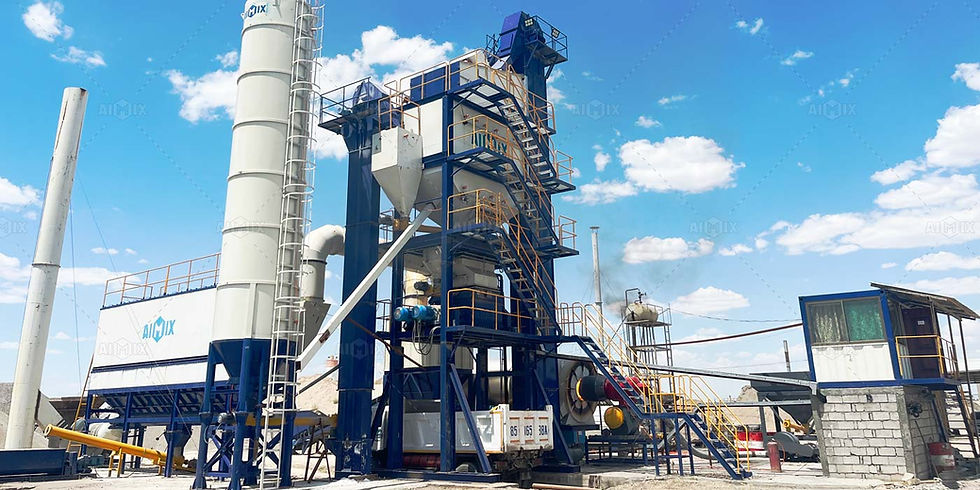
Understanding The Role Of A 120 TPH Asphalt Plant In Uzbekistan
A 120 TPH asphalt plant means it can produce 120 tons of asphalt mixture per hour under standard working conditions. For highway construction, this capacity sits in a “mid-to-large scale” production range. It is not too small for national projects, and not overly complex like ultra-large plants above 240 TPH.
In the context of Uzbekistan’s highway expansion strategy, this capacity fits well with typical road construction packages that range from 10 km to 80 km sections per project phase.
Moreover, Uzbekistan’s climate—hot summers and cold winters—requires stable asphalt production with consistent mix quality. Therefore, production stability matters just as much as output capacity.
Now let’s connect capacity with real project needs in more detail.
Why 120 TPH Fits Many Highway Projects In Uzbekistan
Highway projects are not just about speed. They are about coordination between production, transport, paving, and compaction. A 120 TPH asphalt plant often becomes a “sweet spot” because it balances these four factors efficiently.
To understand this better, we need to look at how contractors actually operate in the field.
1. Balanced Output For Continuous Paving
In most highway projects in Uzbekistan, paving teams typically require 80–150 tons per hour of asphalt supply to maintain continuous operations. If production is too low, paver downtime increases. If production is too high, material storage and temperature loss become problems.
A 120 TPH hot mix asphalt equipment helps maintain a steady flow. It supports continuous paving without overwhelming logistics. As a result, contractors can reduce idle time and improve paving efficiency.
2. Suitable For Multi-Section Highway Projects
Many highway projects in Uzbekistan are divided into multiple sections or lots. This requires flexible production rather than oversized centralized plants.
A 120 TPH plant works well because it can serve:
Single 10–30 km highway sections
Parallel maintenance projects
Urban road expansion zones near cities like Tashkent or Samarkand
This flexibility allows contractors to shift production based on project priorities without major equipment changes.
3. Easier Logistics And Material Management
Logistics plays a major role in asphalt construction. Aggregate supply, bitumen heating, and truck dispatch must stay synchronized.
A 120 TPH plant reduces pressure on transport fleets compared to larger plants. This means fewer trucks are needed per hour, which helps contractors reduce operational costs while maintaining efficiency.
As we move further, let’s examine how Uzbekistan’s environmental and infrastructure conditions influence plant performance.

How Uzbekistan’s Construction Environment Affects Asphalt Plant Performance
Every country has different construction challenges. In Uzbekistan, several factors directly influence asphalt plant selection and usage.
These include temperature variation, transport distance, and material availability. Understanding these factors helps contractors choose the right capacity more accurately.
1. Climate Conditions And Temperature Stability
Uzbekistan experiences high summer temperatures, often exceeding 35°C. Asphalt mixture must remain stable during transport and paving.
A 120 TPH plant helps maintain stable production cycles. It reduces waiting time between production and paving. This is critical because asphalt temperature loss directly affects road quality.
2. Long Distance Transport Challenges
Many highway projects in Uzbekistan stretch across rural and semi-mountain regions. Transport distances between plant and site can be significant.
Therefore, contractors must balance production speed and transport time. A 120 TPH plant ensures enough output without creating excessive waiting or waste.
3. Material Availability And Regional Supply Chains
In some regions, aggregate supply may vary in quality and distance. A mid-capacity plant allows better control over batching cycles and material adjustments.
This makes it easier for contractors to adapt mix designs based on available raw materials without slowing down production.
Now that we understand environmental factors, let’s look at economic and investment considerations.
Cost Efficiency And ROI Of A 120 TPH Asphalt Plant
From a contractor’s perspective, investment return is just as important as production capacity. A 120 TPH asphalt plant is often chosen because it offers a strong balance between cost and output.
Let’s break down why it is considered economically practical.
1. Lower Initial Investment Compared To Large Plants
Compared to 160 TPH or 240 TPH plants, a 120 TPH system requires lower upfront investment. This helps mid-sized contractors enter large highway projects without excessive financial pressure.
It also reduces risk in early project phases when cash flow is still stabilizing.
2. Reduced Operating Costs
Operating costs include fuel, labor, maintenance, and spare parts. A 120 TPH plant typically consumes less fuel and requires fewer operators compared to larger systems.
Over long-term highway projects, this cost difference becomes significant and directly improves profit margins.
3. Faster Return On Investment
Because it can serve multiple projects and maintain stable output, contractors often achieve faster ROI cycles. Especially in countries like Uzbekistan where infrastructure demand is increasing, utilization rates remain high.
Next, let’s compare it with other capacity options to understand its positioning more clearly.

120 TPH Vs Other Asphalt Plant Capacities
Choosing the right capacity is not only about numbers. It is about matching project demand with operational flexibility.
Here is a simple comparison from a contractor’s perspective:
1. 80–100 TPH Plants
These are suitable for small roadworks or municipal projects. However, they may struggle with continuous highway paving due to limited output.
2. 120 TPH Plants
This is a balanced choice. It supports medium to large highway projects while maintaining flexibility and cost efficiency.
3. 160–240 TPH Plants
These are designed for mega infrastructure projects or multiple simultaneous highways. However, they require higher investment and stronger logistics support.
As we can see, 120 TPH sits in the optimal middle range for most contractors in Uzbekistan.
Practical Project Scenarios In Uzbekistan
To make this more practical, let’s look at real-world usage scenarios where a 120 TPH asphalt mixing and batching plant performs effectively.
1. National Highway Expansion Projects
For government-funded highways connecting major cities, a 120 TPH plant ensures steady progress without overbuilding capacity.
2. Regional Road Rehabilitation
When upgrading regional roads, contractors benefit from flexible output and lower operating costs.
3. Industrial Zone Access Roads
These projects require fast turnaround and consistent quality, which a 120 TPH plant can support efficiently.
These examples show that the plant is not limited to one type of project—it adapts well across different construction environments.
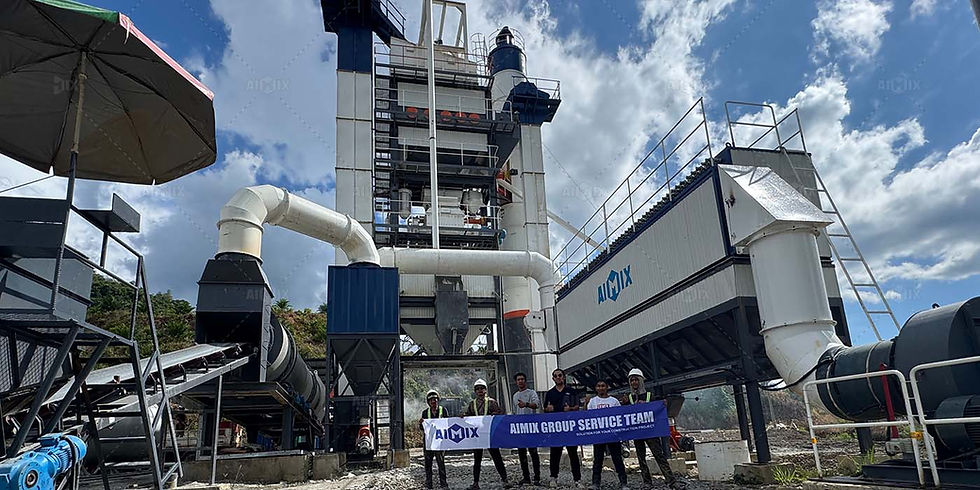
Conclusion: Is A 120 TPH Asphalt Plant The Right Choice For Uzbekistan?
A 120 TPH asphalt plant is a highly practical solution for Uzbekistan highway and infrastructure development. It balances output capacity, investment cost, operational flexibility, and logistics efficiency.
For most contractors, it is neither too small nor too complex. Instead, it offers a stable and scalable solution that fits real construction demands across different regions of Uzbekistan.
If your projects involve highway construction, regional road upgrades, or multi-section infrastructure work, this capacity can help you maintain productivity while controlling costs.
Ultimately, the right choice depends on your project scale, timeline, and budget strategy. But in many real-world cases, 120 TPH stands out as a reliable and efficient option.
Get A Customized Solution For Your Uzbekistan Project
If you are planning a highway or infrastructure project in Uzbekistan and want to evaluate the most suitable asphalt plant configuration, a professional technical assessment can help you avoid overinvestment or capacity shortages.
Contact us to get a tailored asphalt plant solution based on your project scale, production targets, and site conditions. We can help you design a system that improves efficiency, reduces operating cost, and supports long-term project success.


Comments