


From Transport to Production: How a Portable Concrete Batching Plant Speeds Deployment
In modern construction, speed and flexibility are no longer optional—they are decisive competitive advantages. Project owners face tighter schedules, remote job sites, and rising logistics costs, all of which put pressure on concrete supply chains. Against this backdrop, the portable concrete batching plant has emerged as a practical solution that enables contractors to move quickly from transport to production with minimal downtime. By combining mobility, fast installation, and reliable mixing performance, portable plants are reshaping how concrete is produced on site.

Designed for Transport Efficiency
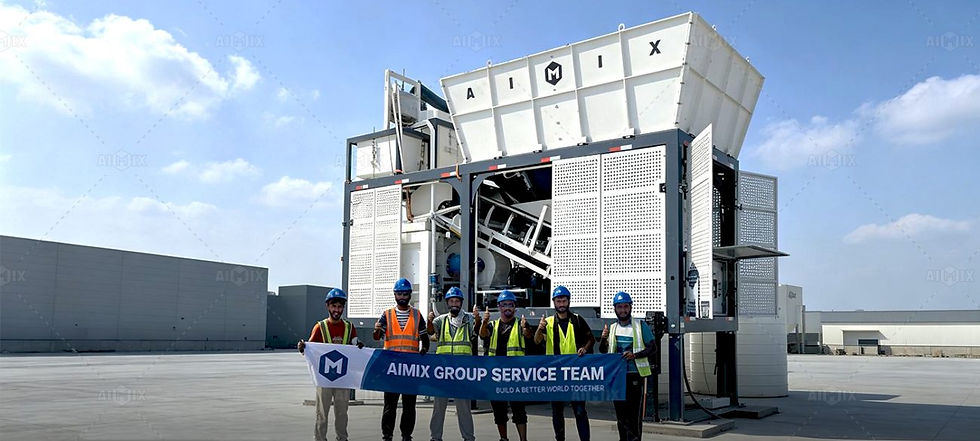
The first step in speeding deployment begins with transportation. A portable concrete batching plant is engineered as modular or integrated units that fit standard trucks or containers. Key components such as aggregate bins, weighing systems, and the concrete mixer batching plant module are preassembled at the factory. This reduces the need for multiple shipments and complex packing procedures.
Compared with traditional stationary plants, which may require dozens of truckloads and special lifting equipment, portable systems significantly lower transportation complexity. Mini concrete batching plant models go even further by concentrating essential functions into compact frames. Their lighter weight and reduced footprint make them especially suitable for regions with narrow access roads or limited on-site infrastructure.
As a result, once equipment arrives at the job site, contractors avoid delays associated with unloading large numbers of individual components. Transport efficiency directly converts into faster readiness for installation.
Rapid Installation with Minimal Ground Preparation
One of the most time-consuming stages of conventional batching plant projects is foundation construction. Large stationary systems often require reinforced concrete bases, anchor bolts, and precise civil work that can take weeks. In contrast, a portable concrete batching plant is designed for rapid setup.
Most portable units only require leveled ground or a simple hardened surface with modest load-bearing capacity. Many models do not need permanent foundations at all, allowing contractors to place the plant directly on compacted soil or steel plates. Mini concrete batching plant variants are especially advantageous in this regard, as they are engineered to maintain stability with minimal supporting structures.
Installation typically involves unfolding or assembling preconnected modules, connecting power and water supplies, and performing basic calibration of the concrete mixer batching plant. This streamlined process allows some sites to move from equipment arrival to trial batching within a few days—sometimes even hours—depending on project scale.

Plug-and-Play Production Systems
A critical advantage of the portable concrete batching plant lies in its plug-and-play philosophy. Electrical wiring, pneumatic systems, and control panels are largely integrated at the factory, reducing the risk of on-site installation errors. Once connected, operators can quickly test aggregate weighing accuracy, cement dosing, and mixing performance.
The concrete mixer batching plant inside a portable system is typically designed for high efficiency despite its compact size. Whether using a twin-shaft mixer for higher output or a pan mixer for versatility, these plants deliver consistent concrete quality shortly after commissioning.
For smaller projects, a mini concrete batching plant can provide just the right balance between output and speed. It allows crews to start pouring concrete without waiting for bulk supply from distant ready-mix plants, reducing transportation delays and concrete slump loss.
Faster Transition from Setup to Continuous Production
Speed of deployment is not just about initial installation—it also affects how quickly stable production can be achieved. Portable concrete batching plants are optimized for operational continuity. Once calibrated, they can run consistently with minimal adjustments, thanks to simplified control logic and standardized components.
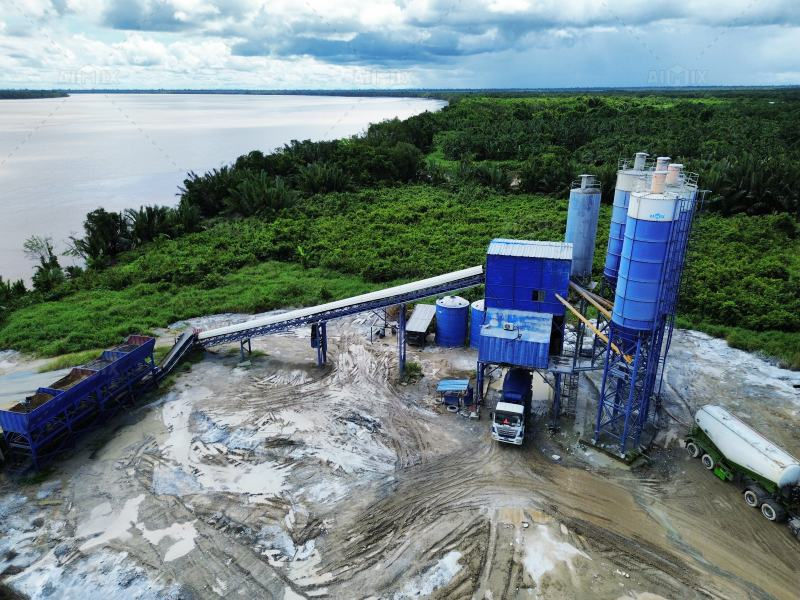
The compact layout also improves material flow. Aggregates, cement, water, and additives are arranged to minimize transfer distances, allowing the concrete mixer batching plant to operate efficiently even under space constraints. This efficiency is particularly important on remote or linear projects such as road construction, where the plant may need to be relocated multiple times.
Mini concrete batching plant users benefit from shorter start-stop cycles, making it easier to match daily output precisely with project requirements. This flexibility reduces material waste and avoids overproduction.
Mobility for Multi-Site and Temporary Projects
Another key factor in rapid deployment is mobility between sites. Portable concrete batching plants are built for relocation, not just initial setup. When a project phase is completed, the plant can be dismantled, transported, and reinstalled at the next location with far less effort than a fixed system.
This capability is especially valuable for contractors managing multiple small to mid-sized jobs. Instead of investing in several stationary facilities, a single portable or mini concrete batching plant can serve multiple sites over its lifecycle. Each relocation benefits from the same fast transport and installation advantages, accelerating production wherever it is needed.

Strategic Value in Modern Construction
From transport logistics to on-site commissioning, the portable concrete batching plant shortens every step between arrival and concrete production. By reducing shipping complexity, eliminating extensive foundations, and integrating efficient concrete mixer batching plant technology, it enables contractors to respond quickly to changing project demands.
For smaller-scale or fast-moving projects, the mini concrete batching plant further enhances this advantage by combining mobility with sufficient output capacity. Together, these systems represent a shift toward leaner, faster, and more adaptable concrete production models—ones that align with today’s emphasis on speed, efficiency, and cost control.

Comments