


How Does the Environmental Compliance of a 120 TPH Stationary Asphalt Plant Differ Between the EU and Middle Eastern Countries?
- aimixglobal5
- Feb 17
- 4 min read
When investing in an asphalt plant, one of the most crucial factors to consider is environmental compliance. Not only does it impact the regulatory approval process, but it also influences the plant’s operational efficiency and long-term sustainability. For businesses in the asphalt industry, particularly those operating or looking to operate in both the European Union (EU) and Middle Eastern countries, understanding the differences in environmental compliance regulations is vital. This article will explore the key distinctions and help you navigate these challenges to ensure your mobile or stationary asphalt batch plant remains compliant across diverse regions.
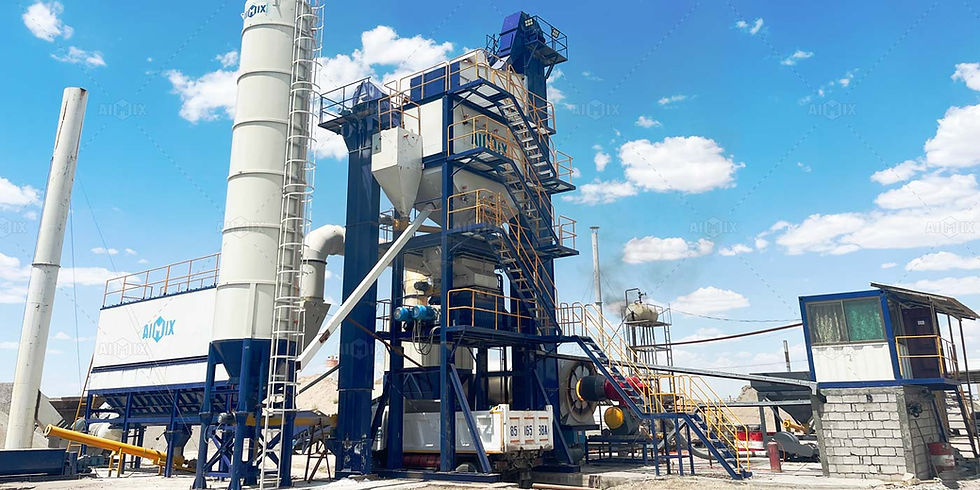
Environmental Regulations in the EU: Stringent Standards for Sustainability
In the EU, environmental regulations are some of the most stringent in the world. These regulations are designed to protect air, water, and soil quality, as well as reduce emissions and ensure energy efficiency. The EU places a strong emphasis on sustainability, with regulations like the European Industrial Emissions Directive (IED) and the European Union Emissions Trading System (EU ETS) setting clear benchmarks for industrial operations, including asphalt plants.
Air Quality and Emission Control
One of the most critical factors in EU environmental compliance is the control of emissions, particularly particulate matter, volatile organic compounds (VOCs), and nitrogen oxides (NOx). Asphalt plants must implement advanced technologies such as bag filters and scrubbers to reduce particulate emissions and comply with EU air quality standards.
The EU also mandates that asphalt plants use energy-efficient processes and minimize CO2 emissions. This can be achieved through improved burner technologies, waste heat recovery systems, and the use of alternative fuels. Compliance with these regulations not only helps protect the environment but also enhances the plant's operational efficiency, reducing costs in the long term.
Water and Waste Management
Water consumption and wastewater management are also key considerations in EU environmental compliance. Tarmac asphalt plants must treat and reuse water to minimize waste and prevent contamination of local water sources. This often involves the installation of closed-loop water systems and the treatment of runoff from the production process.

The Middle Eastern Landscape: Emerging Regulations and Local Adaptations
In contrast to the EU, Middle Eastern countries have varying environmental regulations that often prioritize industrial growth over sustainability. However, environmental awareness is on the rise, with many countries beginning to adopt more comprehensive regulations to address pollution and conserve natural resources. The regulations in the Middle East can vary greatly from one country to another, making it essential for businesses to understand the specific requirements of their target market.
Air Quality and Emission Standards in the Middle East
While some Middle Eastern countries have established regulations for air quality, these standards are generally less stringent than those in the EU. For instance, the Gulf Cooperation Council (GCC) countries like Saudi Arabia, the UAE, and Qatar have developed their own sets of environmental laws, but they are still in the early stages of implementation compared to EU norms.
In these regions, asphalt plants are often required to meet emission limits, particularly for sulfur dioxide (SO2), particulate matter (PM), and nitrogen oxides (NOx). However, the monitoring and enforcement of these regulations may not be as rigorous as in the EU. Companies looking to operate in the Middle East should consider investing in technologies such as dust collectors and flue gas treatment systems to improve air quality and stay ahead of future regulatory changes.
Water Usage and Waste Management in the Middle East
Water scarcity is a significant issue in the Middle East, making efficient water usage a top priority. Many asphalt batch plants in the region must adhere to local regulations on water consumption and wastewater treatment. These regulations may require plants to recycle water and invest in on-site treatment systems to minimize water usage.
However, compared to the EU, the enforcement of waste management regulations may be less stringent in some parts of the Middle East. It is essential for plant operators to stay informed about local policies and adopt best practices in waste reduction and recycling to minimize environmental impact.

Key Differences in Compliance Between the EU and Middle Eastern Countries
While both the EU and the Middle East are focusing on improving environmental standards, several key differences remain:
Regulatory Stringency: The EU has stricter and more comprehensive regulations compared to most Middle Eastern countries, where environmental standards are still evolving.
Enforcement and Monitoring: In the EU, compliance monitoring is more rigorous, with regular inspections and penalties for non-compliance. In the Middle East, enforcement can be inconsistent depending on the country.
Technology Adoption: EU regulations often push for the use of advanced technologies, such as low-emission burners and waste heat recovery systems, which are not as commonly implemented in Middle Eastern countries, where regulations may not mandate them yet.
Why Environmental Compliance Matters for Asphalt Plant Operators
For asphalt plant operators, environmental compliance is not just about following regulations—it's about building a sustainable and competitive business. In the EU, meeting high environmental standards can enhance a company’s reputation, attract environmentally conscious clients, and open doors to new business opportunities. On the other hand, in the Middle East, staying ahead of regulatory trends can provide a competitive edge as governments introduce stricter environmental laws in the coming years.
Investing in eco-friendly technologies and practices will not only help your business comply with current regulations but also prepare it for future shifts in environmental policy. Whether you're operating in the EU or the Middle East, adopting sustainable practices can improve operational efficiency, reduce costs, and contribute to a cleaner, healthier environment.

Conclusion: Stay Ahead of Environmental Trends for Long-Term Success
As global awareness of environmental issues continues to grow, so too will the demand for greener, more sustainable asphalt production. Whether you’re operating in the EU or in the Middle East, understanding the differences in environmental compliance regulations is crucial to ensuring your plant’s success and sustainability. By investing in the right technologies and staying informed about local regulations, you can navigate these challenges and build a more sustainable future for your business.
At AIMIX, we are committed to helping asphalt plant operators meet environmental compliance standards worldwide. Contact us today to learn more about how our 120 TPH stationary asphalt plants can help you achieve your sustainability goals while maintaining optimal performance and efficiency.


Comments