


How Much Investment Is Needed For A 120 TPH Batch Asphalt Plant In Malaysia?
Investing in an asphalt plant is a major decision for contractors, government agencies, and private developers in Malaysia. A 120 TPH (tons per hour) asphalt concrete batch plant offers a balance between production capacity and operational efficiency, making it suitable for medium to large-scale road construction projects. However, understanding the total investment required is crucial before making a purchase.
Understanding The 120 TPH Batch Asphalt Plant
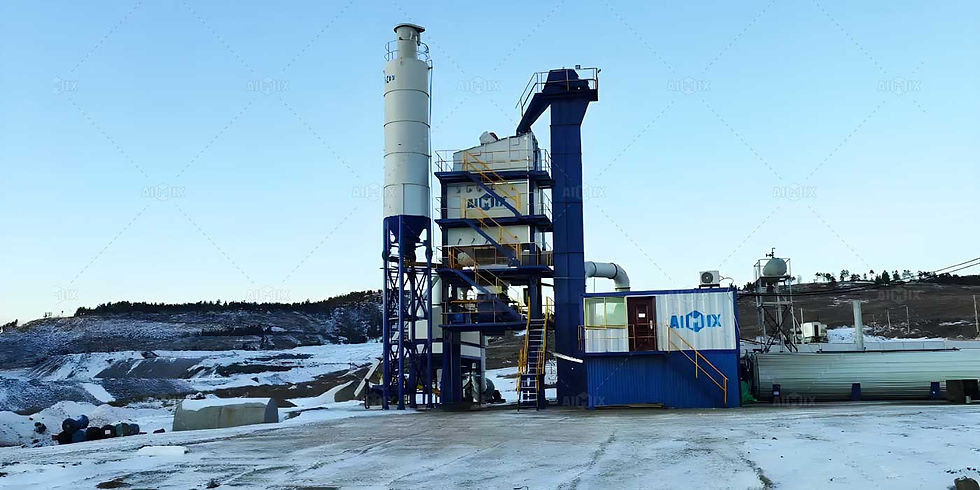
A 120 TPH batch asphalt plant is designed to produce asphalt in batches, allowing precise control over the mix quality. Unlike drum-type plants, batch plants provide flexibility in mix design and ensure consistency for projects that require multiple asphalt types. This type of plant is ideal for highway construction, municipal roads, and industrial projects where quality and precision matter.
Before exploring costs, it is important to understand what the plant includes. A typical 120 TPH batch asphalt plant in Malaysia consists of:
Cold aggregate feeder bins
Drying drum with burner system
Elevator and vibrating screen
Mixing tower with hot aggregate storage
Bitumen storage tanks and dosing system
Control room with automated system
Dust collector or bag filter for emission control
All these components contribute to the overall investment, and buyers should assess not only the initial cost but also long-term operational efficiency.
Main Factors Influencing Investment Costs
Several factors affect the total investment for a 120 TPH batch asphalt plant in Malaysia. Understanding these will help contractors make informed decisions and plan budgets effectively.
Plant Equipment Quality
The quality of components significantly impacts the price. Imported parts or high-end brands can increase costs but improve durability and reduce maintenance frequency. Conversely, locally manufactured equipment may have a lower upfront cost but could require more frequent repairs.
Automation Level
Modern asphalt plants come with automated control systems that monitor temperature, mixing time, and material ratios. While automation increases initial costs, it reduces labor requirements, improves mix consistency, and minimizes human error. For projects with strict quality requirements, automation is often a worthwhile investment.
Site Requirements And Infrastructure
Site preparation also affects the total investment. A stable foundation, proper drainage, electricity, and water supply must be considered. Additional costs may include road access for trucks, storage space for raw materials, and dust mitigation measures.
Auxiliary Systems
Dust collectors, bag filters, and bitumen heating systems contribute to environmental compliance and smooth operation. Ignoring these systems may reduce upfront costs but can lead to legal issues, fines, and production interruptions.

Estimating The Investment Cost
Based on current market trends in Malaysia, the investment asphalt hot mix plant cost of a 120 TPH batch asphalt plant typically ranges between USD 250,000 to USD 450,000. This estimate includes:
Plant equipment and installation
Transportation and shipping fees
Control system and auxiliary equipment
Initial training and commissioning
Keep in mind that this range may vary depending on the manufacturer, customization level, and additional services like maintenance contracts. Contractors should request detailed quotations from suppliers and compare specifications before finalizing their investment.
Operational Costs To Consider
Investment does not end at the purchase stage. Contractors need to factor in ongoing operational costs to get a realistic picture of total expenditure.
Fuel Consumption
Asphalt plants consume significant amounts of fuel for the drying drum. Natural gas, diesel, or heavy oil can affect the operational budget. Choosing a plant with energy-efficient burners can reduce fuel costs over time.
Labor Costs
Even with automated systems, skilled operators are required. A team of 3-5 trained staff can manage production efficiently. Labor costs vary based on the region and expertise level.
Maintenance And Spare Parts
Regular maintenance ensures stable production and prevents costly breakdowns. Setting aside 5-10% of annual production costs for spare parts and servicing is a reasonable practice.
Material Costs
Aggregates, bitumen, and filler materials form the largest portion of operational costs. Efficient material handling and storage can reduce waste and optimize production.
Return On Investment For Contractors
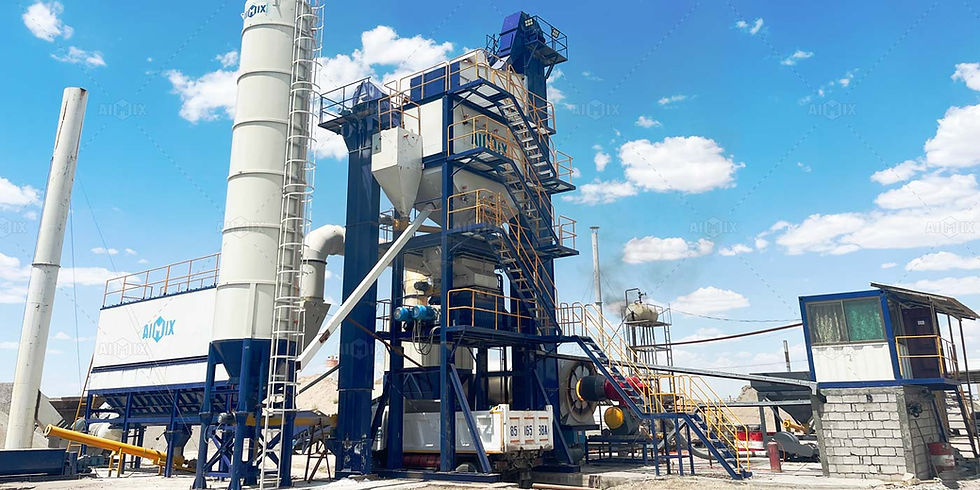
Investing in a 120 TPH batch asphalt plant can be profitable if managed correctly. Consider these key advantages:
High Production Efficiency: The plant can produce up to 120 tons of asphalt per hour, meeting the needs of large-scale projects.
Consistent Asphalt Quality: Batch mixing ensures uniformity, reducing project rework and improving client satisfaction.
Flexibility: Different asphalt mixes can be produced simultaneously, supporting various construction specifications.
Cost Savings: Owning a plant reduces reliance on external suppliers, lowering long-term material and transport costs.
With proper planning and efficient management, contractors can recover the investment within 2-3 years, depending on project volume and local demand.
Tips For Reducing Investment Risk
To ensure a smart investment, consider the following tips:
Compare multiple suppliers and evaluate equipment quality, warranty, and service support.
Inspect the plant before purchase or request factory test videos to verify performance.
Consider modular or semi-mobile plants for easier relocation between projects.
Plan for operational training and regular maintenance schedules to extend plant lifespan.
By following these steps, contractors in Malaysia can minimize risks and ensure their investment pays off over time.

Conclusion And Call To Action
Investing in a 120 TPH batch asphalt plant in Malaysia requires careful planning, realistic budgeting, and attention to both equipment and operational costs. From equipment quality and automation to fuel consumption and maintenance, each factor affects the total investment and long-term profitability. For contractors aiming to deliver high-quality road construction projects efficiently, a batch asphalt plant represents a strategic asset that can significantly boost productivity and reduce dependency on external suppliers.
If you are considering purchasing a 120 TPH asphalt plant for sale Malaysia, take the first step today. Contact reputable suppliers, request detailed quotations, and compare your options. A well-chosen asphalt plant not only ensures consistent asphalt quality but also maximizes your return on investment for years to come.


Comments