


How To Build An 80 TPH Asphalt Mixing Plant For Municipal Roads In Nigeria?
Municipal road projects in Nigeria are growing fast as cities expand and traffic demand increases. Contractors now need stable, efficient, and cost-effective asphalt production systems to meet tight construction schedules. Among different capacity options, an 80 TPH asphalt mixing plant has become a practical choice for urban and small-to-medium highway works.
This article explains how to build an 80 TPH asphalt mixer plant step by step. It also shows what matters most from a contractor’s perspective, especially in Nigeria’s real construction environment. If you are planning a new plant investment, this guide will help you avoid common mistakes and build a system that performs reliably.

Why An 80 TPH Asphalt Plant Fits Municipal Road Projects In Nigeria
An 80 TPH asphalt plant produces around 80 tons of asphalt mix per hour under standard working conditions. This capacity matches most municipal road projects such as urban road upgrades, drainage road resurfacing, and small highway sections connecting towns.
In Nigeria, many projects do not require ultra-large production plants. Instead, flexibility and mobility matter more. Therefore, contractors prefer a medium-capacity plant that balances output and cost. Additionally, fuel efficiency and local material compatibility are key concerns in hot climates and variable logistics conditions.
To understand how to build such a plant properly, we first need to break down its structure and functional systems.
Core Components Of An 80 TPH Asphalt Mixing Plant
Every asphalt hot mix plant depends on stable coordination between several systems. If one part fails, production efficiency drops quickly. Therefore, understanding each component is the first step in planning your construction.
Cold Aggregate Feeding System
This system controls how raw aggregates enter the plant. It includes multiple cold bins, belt feeders, and variable speed controls. In Nigeria, where aggregate sizes may vary, this system must be flexible and adjustable.
Drying Drum System
The drying drum removes moisture from aggregates using a burner system. High humidity in many Nigerian regions makes this stage very important. Good thermal efficiency reduces fuel costs and improves production consistency.
Mixing Tower
The mixing tower combines heated aggregates, bitumen, and filler materials. For an 80 TPH plant, the mixing system must ensure stable temperature and uniform mixing quality. This directly affects road durability.
Bitumen Storage And Heating System
Bitumen tanks must maintain stable temperature conditions. Inconsistent heating can cause poor asphalt bonding. Therefore, insulation and heating control are essential design factors.
Dust Collection System
This system reduces pollution and recycles fine particles. It also helps maintain environmental compliance, which is increasingly important in Nigerian urban projects.
Once you understand these components, the next step is to design how they connect as a complete system.

How To Design The Plant Layout For Efficiency
Plant layout determines how smoothly materials move through each stage. A poor layout increases fuel consumption, delays loading, and reduces productivity. Therefore, careful planning is necessary before construction begins.
First, you should place the cold feed system close to aggregate storage areas. This reduces loading time and truck movement. Next, the drying drum should align with the mixing tower to ensure direct material transfer without unnecessary conveyor distance.
In addition, the bitumen tanks should be positioned safely but close enough to reduce pumping distance. This improves energy efficiency and reduces heat loss.
To connect these design decisions, you must also consider site conditions in Nigeria.
Choosing The Right Site In Nigeria
Site selection is often underestimated, but it plays a major role in long-term plant performance. In Nigeria, contractors should consider soil stability, access roads, and proximity to project sites.
If the site is too far from the project area, transport cost increases significantly. However, if it is too close to residential areas, environmental restrictions may create operational challenges.
Therefore, the ideal site balances logistics efficiency and regulatory safety. Flat land with good drainage is preferred, especially during rainy seasons when flooding can disrupt production.
After selecting the site, you can move into the construction and installation phase.
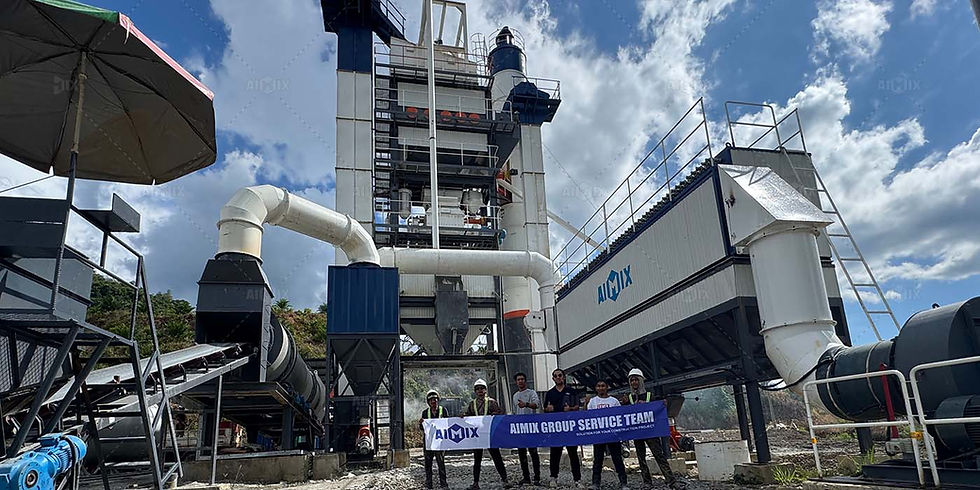
Step-By-Step Process To Build An 80 TPH Asphalt Plant
Step 1: Foundation Construction
Start with a strong concrete foundation. It must support heavy equipment such as the drying drum and mixing tower. In Nigeria’s soil conditions, reinforcement is often necessary.
Step 2: Equipment Installation
Next, install the cold feed system, drum, burner, and tower in sequence. Each unit must align precisely to avoid material flow issues later.
Step 3: Electrical And Control System Setup
The control system manages temperature, flow rate, and mixing time. A modern PLC system improves accuracy and reduces manual errors.
Step 4: Bitumen System Integration
Connect bitumen tanks with heating and pumping systems. Test temperature stability before full operation.
Step 5: Dust And Safety System Setup
Install filters and emission control equipment. This ensures environmental compliance and improves workplace safety.
Once installation is complete, commissioning becomes the next critical phase.
Commissioning And Testing Process
Commissioning ensures that all systems work together under real production conditions. Start with dry testing, then move to small batch production. Gradually increase output to full 80 TPH capacity.
During testing, pay attention to temperature stability, mixing uniformity, and fuel consumption. If any inconsistency appears, adjust burner settings and material flow rates immediately.
This stage also allows operators to learn system control and safety procedures. Proper training reduces long-term operational risks.

Operational Efficiency And Cost Control In Nigeria
Operating an asphalt plant in Nigeria requires attention to fuel cost, maintenance scheduling, and material quality control. These three factors directly affect profitability.
For example, using low-quality aggregates increases wear on equipment. Similarly, poor burner efficiency increases fuel consumption significantly. Therefore, regular inspection and calibration are essential.
In addition, preventive maintenance helps avoid unexpected shutdowns during peak project periods. This improves delivery reliability and customer satisfaction.
Common Mistakes Contractors Should Avoid
Many first-time investors make avoidable mistakes when building asphalt plants. One common issue is underestimating site preparation costs. Another is choosing oversized or undersized capacity without analyzing project demand.
Some contractors also neglect training for operators. As a result, machine performance drops even when equipment quality is high.
Therefore, planning must combine technical design with operational strategy from the beginning.

Return On Investment For An 80 TPH Asphalt Plant
An 80 TPH asphalt plant in Nigeria offers strong ROI for contractors working on continuous municipal projects. Because production is stable, it supports multiple small-to-medium contracts simultaneously.
In Nigeria, where infrastructure development is ongoing, demand for asphalt remains steady. This creates long-term revenue opportunities for well-managed plants.
Additionally, contractors who control fuel and maintenance costs can achieve faster payback periods compared to larger, less efficient systems.
Conclusion: Building A Reliable Asphalt Plant System In Nigeria
Building an 80 TPH asphalt mixing plant is not just about installing equipment. It is about designing a complete production system that fits real construction conditions in Nigeria. From site selection to commissioning, every step affects long-term performance.
If you focus on layout efficiency, stable material flow, and strong operational management, your plant will support continuous municipal road projects with consistent quality and output.
Now is the right time to invest in a system that matches Nigeria’s infrastructure growth. A well-planned 80 TPH asphalt plant can become a long-term asset that supports your business expansion and project success.
If you are planning your own asphalt plant project, start by evaluating your site conditions and production demand. The right design today will determine your profitability tomorrow.


Comments