


How To Choose The Best Asphalt Plant Supplier For Your Project Success?
Choosing the right asphalt plant supplier is not just a purchasing decision. It directly affects your project quality, construction efficiency, and long-term profitability. Many contractors focus only on price at the beginning. However, they often face hidden costs later, such as downtime, inconsistent production, or poor after-sales support.
So, how can you avoid these risks and make a smart decision? In this guide, we will walk through practical, real-world factors that help you choose the best asphalt mixing plant supplier. Whether you are planning a highway project, municipal road work, or commercial asphalt production, this article will give you clear direction.

Understand Your Project Requirements First
Before you compare suppliers, you need to clearly define your own needs. This step sets the foundation for everything that follows. Without it, even the best supplier cannot give you the right solution.
For example, you should ask yourself:
What is your required production capacity? (e.g., 80 TPH, 120 TPH, 160 TPH)
Is your project short-term or long-term?
Will you work in urban areas, highways, or remote locations?
Do you need mobility or a stationary setup?
In Indonesia, many contractors prefer batch type asphalt plants because they offer better mix quality control. On the other hand, for continuous large-scale road projects, drum mix plants may provide higher efficiency.
Once you define these parameters, you can quickly filter out unsuitable suppliers. As a result, your decision becomes more focused and efficient.
Evaluate Supplier Experience And Industry Expertise
After clarifying your needs, the next step is to assess the supplier’s experience. Not all manufacturers understand real construction challenges.
A reliable asphalt plant supplier should have:
Proven project cases in your target market
Experience with similar project scales
Understanding of local regulations and climate conditions
For instance, Southeast Asia projects often face high humidity and frequent rainfall. Therefore, the supplier should design equipment with moisture-resistant systems and stable drying performance.
Moreover, experienced suppliers usually provide better recommendations. They can suggest suitable configurations instead of just selling standard models. This makes a big difference in real construction scenarios.
Check Equipment Quality And Technical Configuration
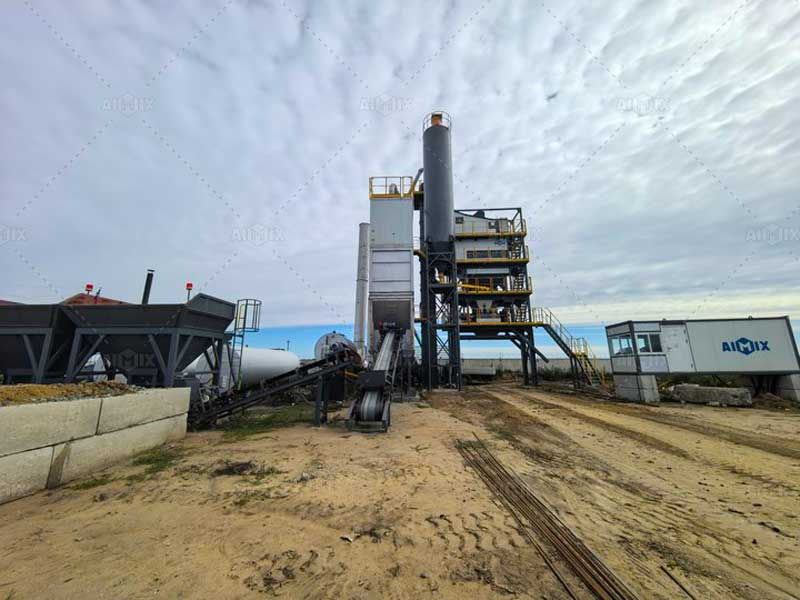
Now that you have shortlisted potential suppliers, you should focus on the equipment itself. After all, the green asphalt plant is a long-term investment.
Pay attention to the following key components:
Drying System Efficiency
The drying drum must handle high moisture aggregates efficiently. A poor design leads to high fuel consumption and unstable output.
Burner Performance
A high-quality burner ensures consistent heating. It also reduces energy waste. This directly affects your operating cost.
Mixing System Precision
Accurate weighing and mixing improve asphalt quality. This is critical for road durability and client satisfaction.
Dust Collection System
Environmental compliance is becoming stricter. A good dust collector protects your site and helps you meet local regulations.
In addition, always ask for detailed technical specifications. Do not rely only on brochures. Real data and transparent configuration details show the supplier’s professionalism.
Compare Production Capacity And Scalability
At this stage, you should think beyond your current project. A good supplier helps you plan for future growth.
For example, if your current demand is 120 TPH, you may expand to 160 TPH in the next two years. Therefore, choosing a plant with upgrade potential can save you significant costs later.
Furthermore, consider:
Can the plant handle peak demand?
Is the control system easy to upgrade?
Can you add more cold bins or storage silos?
Suppliers who offer flexible solutions show long-term commitment. This is especially important for contractors working on multiple projects across different regions.

Review After-Sales Service And Local Support
Even the best equipment needs support. Therefore, after-sales service is one of the most critical factors in your decision.
Reliable suppliers usually provide:
Installation guidance and commissioning support
Operator training
Spare parts availability
Remote technical assistance
In Indonesia and other Southeast Asian markets, local service teams make a huge difference. They reduce downtime and ensure fast problem resolution.
On the contrary, suppliers without local support often cause delays. This can lead to project penalties and financial losses.
Analyze Total Cost Instead Of Initial Price
Price is important, but it should not be your only focus. In fact, the cheapest option often becomes the most expensive in the long run.
You should evaluate the total cost of ownership, including:
Fuel consumption
Maintenance costs
Spare parts expenses
Downtime risks
For example, a slightly higher-priced hot asphalt plant with better fuel efficiency can save thousands of dollars each year. Similarly, stable performance reduces repair costs and improves project timelines.
Therefore, always compare value, not just price.

Check Customer Feedback And Real Project Cases
Next, you should verify the supplier’s reputation through real feedback. This step adds another layer of confidence to your decision.
Look for:
Customer testimonials
Project videos and photos
Case studies with detailed data
For example, a supplier who has successfully delivered asphalt plants for highway projects in tropical regions likely understands your challenges.
In addition, try to contact existing customers if possible. Their direct feedback often reveals insights that marketing materials cannot show.
Assess Delivery Time And Logistics Capability
Timing is critical in construction projects. Delayed equipment delivery can disrupt your entire schedule.
Therefore, you should confirm:
Production lead time
Shipping arrangements
Installation timeline
Suppliers with strong logistics experience can handle international shipping smoothly. This is especially important for island countries like Indonesia, where transportation can be complex.
Moreover, clear communication during delivery ensures transparency and reduces uncertainty.

Evaluate Customization And Solution Capability
Every project is different. Therefore, a one-size-fits-all approach rarely works.
Top suppliers focus on customized solutions. They adjust configurations based on:
Raw material type
Project scale
Environmental requirements
Budget constraints
For example, if your aggregates have high moisture content, the supplier may recommend a more powerful drying system. If your site is limited, they may suggest a compact design.
This flexibility shows true expertise and customer focus.
Conclusion: Choose A Partner, Not Just A Supplier
Choosing the best asphalt plant supplier is not about finding the lowest price. It is about finding a reliable partner who understands your business and supports your growth.
By carefully evaluating project requirements, equipment quality, service capability, and long-term value, you can make a confident decision. More importantly, you reduce risks and improve your project outcomes.
If you are planning to invest in an asphalt plant, now is the time to take action. Compare suppliers, ask the right questions, and choose a partner who can deliver real results.
Contact us today to get a customized asphalt plant solution tailored to your project needs and local conditions.


Comments