


Is a 120 TPH Asphalt Plant Sufficient for a Highway Project Requiring 150,000 Tons of Asphalt?
When a highway project requires 150,000 tons of asphalt, choosing the right asphalt mixing plant becomes an important investment decision. A plant that produces too little asphalt may delay paving operations, increase equipment rental costs, and put the construction schedule at risk. However, purchasing an oversized plant can also increase initial investment, fuel consumption, maintenance expenses, and operating costs.
For contractors considering a 120 TPH asphalt plant, the key question is not simply whether the machine can produce 120 tons per hour. The real issue is whether its actual daily production can meet the project's paving schedule under local working conditions. Production hours, equipment availability, mix design changes, material supply, transportation distance, and weather conditions all influence the final output.
Whether you plan to establish an asphalt manufacturing plant for a long-term highway contract or supply asphalt for several construction sections, understanding the relationship between rated capacity and actual production is essential. In this article, we examine the production capacity of a 120 TPH asphalt mixing plant against a 150,000-ton highway project. We will calculate the approximate production period, evaluate different operating schedules, and explain when a 120 TPH plant represents a practical investment for highway contractors.

1. What Does 120 TPH Mean for a 150,000-Ton Highway Project?
A 120 TPH asphalt plant has a nominal production capacity of 120 tons per hour under specified operating conditions. However, this figure does not mean the plant will continuously produce 120 tons every hour throughout the working day.
Actual production depends on aggregate moisture, asphalt mix specifications, burner performance, production interruptions, material feeding, and other operating conditions. Therefore, contractors should distinguish between rated capacity and effective production capacity before making a purchasing decision.
Calculate the Theoretical Production Time
The first step is to divide the total asphalt requirement by the plant's rated hourly capacity.
150,000 tons ÷ 120 tons/hour = 1,250 production hours.
This means a 120 TPH plant needs 1,250 hours to produce 150,000 tons if it operates continuously at its rated capacity without interruption.
However, highway contractors should not use this theoretical result as their final construction schedule. Real projects involve daily maintenance, equipment adjustments, material replenishment, mix changes, and occasional production stops.
Estimate Production Under Different Operating Conditions
For a more realistic estimate, contractors can evaluate several daily operating schedules. The following calculations use an assumed effective production rate of 85% of the nominal 120 TPH capacity. This is a planning assumption, not a guaranteed production figure. Actual efficiency must be confirmed through project conditions and plant performance.
Rated production capacity: 120 tons/hour.
Assumed effective production rate: 102 tons/hour.
6 production hours per day: Approximately 612 tons/day.
8 production hours per day: Approximately 816 tons/day.
10 production hours per day: Approximately 1,020 tons/day.
12 production hours per day: Approximately 1,224 tons/day.
These figures help contractors understand how daily operating hours affect the overall construction schedule. Nevertheless, the plant's effective production rate should account for actual operating conditions rather than relying on a fixed efficiency percentage.
2. How Many Days Does a 120 TPH Plant Need to Produce 150,000 Tons?
After understanding hourly output, the next question is how long the plant needs to complete the total production requirement. This calculation directly affects project scheduling, equipment investment, and the contractor's ability to meet the paving deadline.
Based on the assumed effective production rate of 102 tons per hour, the estimated production period changes according to daily operating hours.
Production Schedule Based on Daily Working Hours
6 hours per day: 612 tons/day, requiring approximately 245 production days.
8 hours per day: 816 tons/day, requiring approximately 184 production days.
10 hours per day: 1,020 tons/day, requiring approximately 148 production days.
12 hours per day: 1,224 tons/day, requiring approximately 123 production days.
16 hours per day: 1,632 tons/day, requiring approximately 92 production days.
These are calculated production days, not calendar days. They exclude scheduled holidays, weather delays, transportation disruptions, maintenance shutdowns, and periods when the paving team cannot accept asphalt.
What If the Highway Project Has a Six-Month Deadline?
Suppose the contractor must supply 150,000 tons of asphalt within six months. If the project allows 26 working days per month, the available production period is approximately 156 working days.
The required average daily output would be:
150,000 tons ÷ 156 working days = approximately 962 tons/day.
At an effective production rate of 102 tons per hour, the plant needs approximately 9.4 production hours per working day.
Therefore, a 120 TPH asphalt mixing plant could meet this six-month production target under these assumptions. However, the contractor would have limited flexibility if unexpected shutdowns, wet aggregate, or transportation problems reduce production.
For this reason, a six-month project should not rely only on the plant's theoretical capacity. Contractors should also consider production buffers and the availability of backup arrangements.
3. Is Rated Capacity the Same as Actual Asphalt Production?
Although the production calculation suggests that 120 TPH may be sufficient, the actual result depends on several operating factors. Two asphalt plants with the same rated capacity can deliver different daily outputs because their working environments, configurations, and operating conditions differ.
Understanding these factors helps contractors avoid unrealistic production expectations.
Aggregate Moisture Content
Aggregate moisture has a direct influence on asphalt plant productivity. The dryer must remove moisture before the material enters the mixing process. When aggregates contain more water, the plant needs additional heat and drying time.
This issue becomes particularly important during rainy seasons or when contractors obtain aggregates from exposed stockpiles. High moisture content can reduce effective production capacity and increase fuel consumption.
For projects in tropical regions, contractors should consider covered aggregate storage, effective drainage, and regular moisture testing. These measures help stabilize production and reduce unnecessary fuel costs.
Asphalt Mix Design and Production Changes
Highway projects rarely require only one asphalt mixture. Depending on pavement design, contractors may need different mixtures for the surface course, binder course, and base course.
Each mix design may require different aggregate proportions, bitumen content, and production settings. Frequent changes can interrupt production and reduce daily output.
Consequently, contractors should estimate the quantity of each asphalt mixture before selecting the plant. A project requiring several mix types may need additional production time for adjustments, cleaning, and quality checks.
Equipment Configuration and Maintenance
The plant's configuration also affects its ability to maintain stable production. Important components include the drying drum, burner, vibrating screens, hot aggregate bins, weighing systems, mixer, dust collection system, and control system.
For a 150,000-ton highway project, reliable operation matters as much as rated capacity. An unexpected failure in a critical component can interrupt the entire production process.
Contractors should therefore evaluate maintenance accessibility, spare parts availability, technical support, and the manufacturer's installation and commissioning services before purchasing.
4. What Asphalt Plant Capacity Is Suitable for a 150,000-Ton Highway Project?
A 120 TPH plant is not automatically the best option for every 150,000-ton project. The appropriate capacity depends on the available production period, daily paving demand, operating hours, and the contractor's investment strategy.
To make the comparison clearer, consider several common asphalt plant capacities under the same assumed 85% effective production rate.
Compare 80 TPH, 120 TPH, and 160 TPH Asphalt Plants
80 TPH asphalt plant: At an assumed effective output of 68 tons/hour and 10 operating hours per day, it produces approximately 680 tons/day. It needs about 221 production days to complete 150,000 tons.
120 TPH asphalt plant: At an assumed effective output of 102 tons/hour and 10 operating hours per day, it produces approximately 1,020 tons/day. It needs about 148 production days.
160 TPH asphalt plant: At an assumed effective output of 136 tons/hour and 10 operating hours per day, it produces approximately 1,360 tons/day. It needs about 111 production days.
These comparisons show that increasing plant capacity can shorten the production period. However, a larger plant also requires a higher investment and may need greater aggregate storage, fuel supply, transportation capacity, and operating resources.
Therefore, the best choice should balance production requirements against the total project cost rather than focus on hourly capacity alone.
When Is an 80 TPH Plant Enough?
An 80 TPH plant may work for a contractor with a longer project schedule, lower daily paving demand, or several smaller construction sections. It can also suit contractors who plan to use the plant for multiple projects over a longer period.
However, if the project requires 150,000 tons within a relatively short period, the contractor must carefully evaluate whether the additional operating days will increase labor, fuel, equipment, and site management costs.
When Should Contractors Consider a 160 TPH Plant?
A 160 TPH plant becomes more attractive when the project has a tight deadline, high daily asphalt demand, or multiple paving teams working simultaneously.
For example, highway projects with several active sections may require a continuous supply of asphalt. A higher-capacity plant can provide more production flexibility and reduce the risk of falling behind the paving schedule.
Nevertheless, contractors should confirm that the transportation fleet and paving equipment can handle the additional output. Producing more asphalt does not improve project efficiency if trucks cannot deliver it to the construction site on time.

5. Can a 120 TPH Asphalt Plant Keep Up With Highway Paving Operations?
Plant capacity is only one part of the asphalt supply chain. The production site, transportation fleet, and paving operation must work together. Otherwise, even a high-capacity plant may experience unnecessary downtime.
For a highway project requiring 150,000 tons, contractors should evaluate the following operational factors before confirming a 120 TPH configuration.
Transportation Distance and Truck Availability
Asphalt mixture must reach the paving site at a suitable temperature and within the required delivery time. Long transportation distances can increase delivery cycles and reduce the number of trips each truck completes per day.
For example, a plant located far from the active paving section may need more trucks to maintain a continuous supply. If the fleet is too small, asphalt production may have to slow down because the storage and delivery system cannot handle the output.
Contractors should calculate truck capacity, round-trip travel time, loading time, unloading time, and the number of active paving fronts. These factors help determine whether the plant can supply the paving operation consistently.
Daily Paving Demand
The project team should calculate the daily asphalt requirement based on road width, paving thickness, construction length, and asphalt mixture density.
For instance, a contractor working on several highway sections may need different daily quantities depending on the construction sequence. Some days may require 600 tons, while intensive paving operations may require more than 1,000 tons.
In this situation, a 120 TPH plant offers a reasonable production level if the project schedule allows sufficient operating hours. However, the contractor should assess peak demand rather than rely only on the average daily requirement.
Asphalt Storage and Paving Coordination
Production and paving operations do not always run at exactly the same speed. Temporary storage or surge capacity can help manage short differences between production and truck dispatch.
However, contractors should not treat storage as a substitute for proper scheduling. Asphalt mixture has temperature and handling requirements. Excessive storage time can affect material quality and workability.
A better approach is to coordinate production shifts, truck dispatch, and paving schedules. This reduces unnecessary waiting time and helps maintain a consistent asphalt supply.
6. How Much Does Plant Utilization Affect the Investment Return?
For a 150,000-ton highway project, purchasing an asphalt mixing plant is a major capital decision. Contractors should evaluate more than the equipment purchase price. They should also calculate operating costs, production efficiency, project duration, and future equipment utilization.
A 120 TPH plant may provide a good balance between investment and production capacity when the project has a suitable timeline and the contractor can use the equipment for future work.
Consider the Cost Per Ton
The total cost of producing asphalt includes several components. Some costs remain relatively stable, while others change with production volume and operating conditions.
Fuel consumption: The burner uses energy to dry and heat aggregates. Aggregate moisture and production settings influence fuel demand.
Electricity: Motors, conveyors, fans, pumps, and other electrical components consume power during operation.
Labor: Operators, maintenance technicians, quality control personnel, and site managers contribute to operating costs.
Maintenance: Wear parts, filters, bearings, belts, and other components require regular inspection and replacement.
Transportation: Truck availability, fuel, distance, and delivery efficiency influence the final asphalt supply cost.
Installation and site preparation: Foundations, electrical systems, aggregate storage, and supporting infrastructure affect the initial investment.
To compare different plant capacities, contractors should calculate the total project cost per ton rather than compare equipment prices alone.
Evaluate Future Projects After the Highway Contract
A 150,000-ton project may justify purchasing a 120 TPH plant if the contractor expects additional road construction work after the current contract.
For example, the plant may support provincial roads, airport paving, industrial access roads, municipal infrastructure, or other highway projects. This additional workload can improve annual utilization and spread the initial investment across more production volume.
On the other hand, if the contractor has only one project and no clear future workload, renting a plant or purchasing asphalt from an established supplier may deserve consideration. The decision should reflect the contractor's long-term business plan and local market conditions.

7. Which Features Should Buyers Check When Purchasing a 120 TPH Asphalt Plant?
Once the production requirement matches the 120 TPH capacity range, contractors should move from capacity selection to equipment evaluation. A suitable plant must deliver consistent asphalt quality, reliable operation, and manageable operating costs.
For highway projects that require consistent hot mix production and accurate aggregate proportions, selecting a suitable hot mix asphalt plant for sale also involves evaluating the mixing method, heating system, weighing accuracy, and finished material handling capacity.
The following components deserve particular attention during supplier evaluation.
Drying Drum and Burner System
The drying drum and burner determine how effectively the plant heats and dries aggregates. Buyers should check the burner type, heating capacity, fuel compatibility, and temperature control system.
For projects in areas with high aggregate moisture, the drying system deserves special attention. Its performance can influence both actual production capacity and fuel consumption.
Screening and Aggregate Weighing Systems
Accurate aggregate screening and weighing help maintain the required mix proportions. Contractors should examine screen configuration, hot aggregate bin capacity, weighing accuracy, and the flexibility of the control system.
These features become especially important when the highway project requires different asphalt mixtures for multiple pavement layers.
Dust Collection and Environmental Control
Asphalt production generates dust and requires appropriate emission control measures. Buyers should check the dust collection configuration, filtration system, maintenance requirements, and compliance with applicable local environmental regulations.
For projects in Indonesia and other markets with specific environmental approval requirements, contractors should confirm the applicable standards with local authorities before purchasing and installing the equipment.
Installation, Technical Support, and Spare Parts
A plant's performance depends not only on its manufacturing quality but also on installation, commissioning, and maintenance support.
Before signing a purchase agreement, buyers should confirm the installation scope, operator training, spare parts supply, warranty conditions, and technical response arrangements. These services can make a significant difference during a large highway project where production interruptions may affect the entire construction schedule.
8. A Practical Decision Checklist Before Selecting a 120 TPH Plant
Before making the final investment decision, highway contractors should connect the plant's production capacity with the actual project requirements. The following checklist can help purchasing teams evaluate whether 120 TPH is sufficient.
Total asphalt demand: Confirm whether the project requires 150,000 tons or whether the quantity includes additional supply for other construction sections.
Project deadline: Determine the actual number of available production days rather than simply counting calendar months.
Daily production target: Calculate average and peak asphalt demand based on the paving schedule.
Operating hours: Decide whether one shift, two shifts, or extended daily operation is practical.
Aggregate conditions: Check material moisture, grading, storage conditions, and supply stability.
Mix design requirements: Identify the number of asphalt mixtures and expected production changeovers.
Transportation capacity: Confirm that the truck fleet can deliver the required tonnage without interrupting plant production.
Site conditions: Evaluate land availability, power supply, fuel access, drainage, and environmental requirements.
Maintenance arrangements: Confirm spare parts availability and the supplier's technical support capability.
Future workload: Estimate whether the plant can serve additional projects after the highway contract ends.
Completing these checks helps buyers avoid two common mistakes: selecting a plant that cannot meet the construction deadline or investing in excessive capacity that remains underused.

9. Final Verdict: Is 120 TPH Enough for 150,000 Tons of Asphalt?
Yes, a 120 TPH asphalt plant can be sufficient for a highway project requiring 150,000 tons of asphalt, provided that the production schedule, operating hours, and supporting logistics match the project's requirements.
At an assumed effective production rate of 102 tons per hour, the plant can produce approximately 1,020 tons during a 10-hour working day. Under a schedule of 26 working days per month, it could complete the required production in approximately 5.7 months.
However, this estimate assumes stable aggregate supply, manageable moisture levels, reliable equipment operation, and sufficient transportation capacity. Real projects need additional time allowances for maintenance, weather, material changes, and unexpected interruptions.
A 120 TPH plant is worth considering when:
The project allows approximately six months or more for asphalt production.
Daily asphalt demand generally remains within the plant's effective production range.
The contractor can operate the plant for around 10 hours per working day when necessary.
Transportation and paving teams can handle the planned daily output.
The contractor wants to balance initial investment with production requirements.
However, contractors facing a shorter deadline, several simultaneous paving operations, or a consistently higher daily demand should compare 160 TPH or larger configurations before making a final decision.
10. Get a 120 TPH Asphalt Plant Configuration Based on Your Highway Project
Choosing an asphalt mixing plant should start with your project data, not simply a capacity number on an equipment specification sheet. A 120 TPH plant may be an efficient choice for a 150,000-ton highway project, but the right configuration depends on your construction deadline, asphalt mix requirements, aggregate conditions, and transportation arrangements.
For contractors who need precise control over aggregate grading, bitumen content, and mixing cycles, a batch type asphalt plant can be a suitable option for highway projects requiring different asphalt mix designs and consistent production quality.
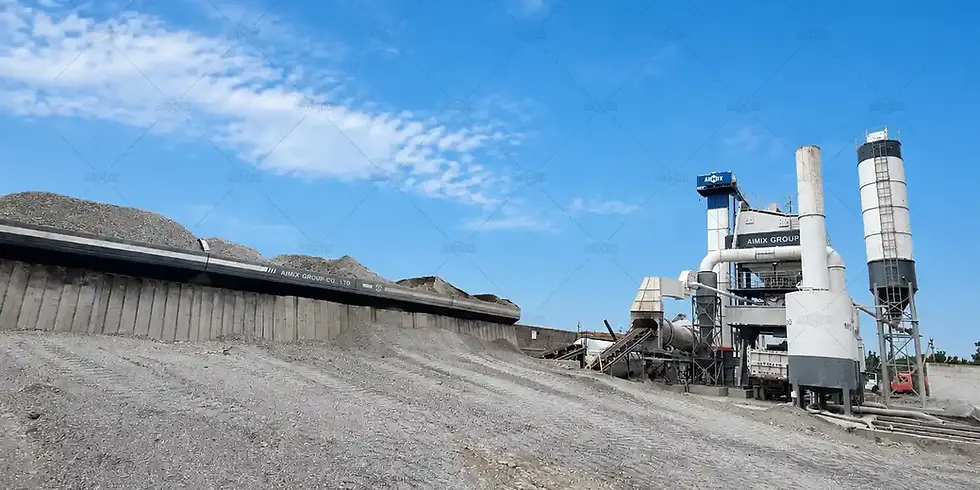
At AIMIX, we provide asphalt mixing plant solutions for highway contractors, road construction companies, and asphalt production businesses. Our ALQ series asphalt batch mix plants cover a range of capacities, including 120 TPH configurations, to support different project scales and production requirements.
Before recommending a suitable plant, our team can evaluate your expected daily asphalt demand, project duration, site conditions, and required configuration. This helps you compare production capacity, equipment investment, and long-term operating considerations.
Planning to produce 150,000 tons of asphalt for a highway project? Contact AIMIX with your project location, required completion period, expected daily asphalt consumption, and preferred plant configuration. Our team can help assess whether a 120 TPH asphalt plant is sufficient or whether a higher-capacity solution would provide better production flexibility.


Comments