


Is a 60 TPH Asphalt Plant Enough for a Small Asphalt Paver?
Choosing an asphalt plant is not only about production capacity. It is also about how well the plant matches the paving equipment, project schedule, haul distance, and daily asphalt demand. For contractors using a small asphalt paver, a 60 TPH asphalt plant can look like a practical choice. It offers a moderate output without the scale and investment of a large commercial plant.
However, “60 TPH” does not automatically mean that the plant is suitable for every small paving project. The real question is whether its practical output can keep the paver supplied without creating excessive waiting time, material waste, or unnecessary plant capacity. Therefore, contractors should compare plant capacity with the paver's working speed, paving width, layer thickness, truck cycle, and daily production target.
This guide explains when a 60 TPH asphalt plant can work well with a small asphalt paver. It also shows when contractors should consider a larger or more flexible asphalt plant.

What Does A 60 TPH Asphalt Plant Actually Produce?
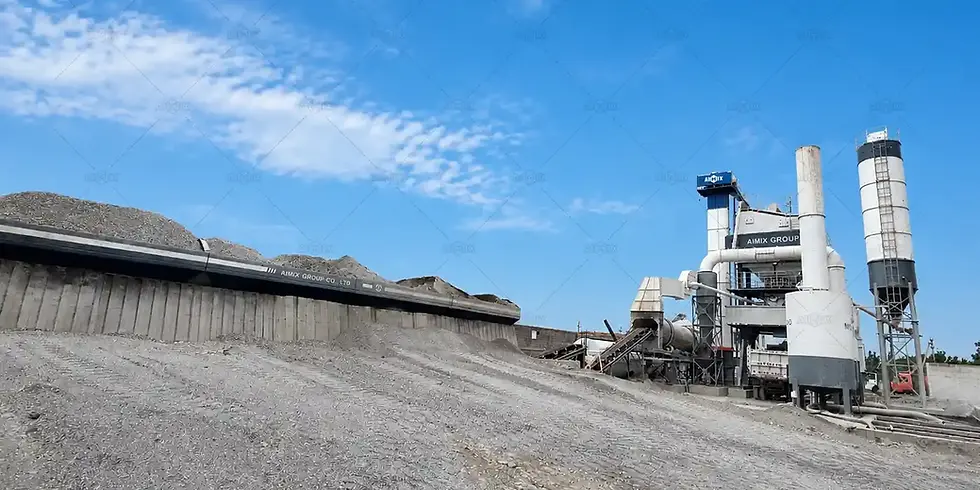
Before matching an asphalt plant with small asphalt paving machines for sale, it helps to understand what its rated capacity means. A 60 TPH asphalt plant has a nominal production capacity of about 60 tonnes of hot mix asphalt per hour under suitable operating conditions.
In real projects, however, the average output may be lower. Moisture content, aggregate gradation, fuel efficiency, mixing time, plant warm-up, truck loading, and material supply can all affect production. Therefore, contractors should not plan a full working day around the theoretical maximum.
For example, a contractor may target 45–55 tonnes per hour during normal operation. At 8 productive hours, that could provide roughly 360–440 tonnes of asphalt mix per day. The actual result depends heavily on site conditions and operating efficiency.
That difference matters because a small asphalt paver rarely needs 60 tonnes every hour throughout the entire project. Instead, its demand changes with paving width, layer thickness, paving speed, and project conditions.
Rated Capacity Vs. Practical Capacity
Rated capacity provides a useful reference, but practical capacity gives contractors a better basis for planning.
A 60 TPH plant may operate below its maximum output for several reasons. Wet aggregates can increase drying time. Frequent mix changes can reduce continuous production. Truck shortages can also interrupt plant operation. Therefore, project planning should include a reasonable operating margin.
Plant Capacity | Typical Planning Range | Potential 8-Hour Output |
40 TPH | 30–36 TPH | 240–288 tonnes |
60 TPH | 45–55 TPH | 360–440 tonnes |
80 TPH | 60–72 TPH | 480–576 tonnes |
These figures are planning examples rather than guaranteed production results. Actual output should come from the selected plant configuration, aggregate conditions, fuel type, mix design, and operating environment.
How Much Asphalt Does A Small Paver Need?
The next step is to estimate the asphalt demand created by the paver. This calculation is often more useful than simply looking at the paver's engine size or hopper volume.
The approximate asphalt demand can be estimated from four main factors: paving width, layer thickness, paving speed, and asphalt density.
A simplified calculation is:
Asphalt demand (t/h) ≈ Width × Thickness × Speed × Density
For example, assume a small paver works with a 2.5 m paving width. It lays a 50 mm compacted asphalt layer at 4 m/min. If the asphalt density is approximately 2.35 t/m³, the theoretical material demand is around 70.5 t/h before considering compaction and other field variables.
However, that example does not mean every small paver requires a 70 TPH asphalt plant. Paving speed often changes. The paver may also stop for truck exchanges, site adjustments, joint work, intersections, or other construction activities.
Consequently, the actual average demand can be much lower than the theoretical maximum.
Small Paver Size Is Not The Only Factor
A small asphalt paver can still consume a significant amount of asphalt when it operates continuously. Conversely, even a larger paver may require less material when working slowly or paving narrow lanes.
For this reason, contractors should evaluate the complete paving operation rather than classify demand only by paver size.
Consider these factors:
Paving width
Layer thickness
Average paving speed
Asphalt mixture density
Daily paving target
Truck loading and unloading time
Distance between plant and paving site
Expected paver stoppages
Once these values are known, contractors can determine whether a 60 TPH plant provides enough material flow.

Can A 60 TPH Plant Keep A Small Paver Running?
In many small and medium paving projects, the answer is yes. A 60 TPH asphalt plant can provide a good balance between production capacity and project demand when the paver has a moderate material requirement.
The key is to maintain a stable material supply. A paver works best when trucks arrive at a predictable rate. If asphalt delivery becomes irregular, the paver may need to slow down or stop. Those interruptions can affect paving quality and reduce crew productivity.
A 60 TPH plant can help when the project's average asphalt demand stays within its practical production range. It also works well when the contractor has enough trucks to move the produced mix to the jobsite.
Therefore, plant capacity and transportation capacity should be considered together.
Example: A Small Road Paving Project
Consider a local road project that requires about 300 tonnes of asphalt mix per day.
If the contractor operates a 60 TPH plant for eight productive hours, the nominal maximum is 480 tonnes. Even if actual production averages 45–50 TPH, the plant could produce about 360–400 tonnes during that period.
That provides a reasonable operating margin for a 300-tonne daily requirement.
However, the contractor still needs enough trucks and a suitable haul cycle. If trucks spend too much time traveling between the plant and the paving site, the paver may wait even though the plant has sufficient capacity.
This example shows an important point: asphalt production capacity alone does not determine paving productivity.
When Is A 60 TPH Asphalt Plant A Good Match?
A 60 TPH plant is particularly attractive when the project has moderate asphalt demand and does not require continuous high-volume paving.
Several project conditions can make this capacity a practical choice.
Small Road Construction Projects
Local roads, residential roads, access roads, and municipal rehabilitation projects often have moderate daily asphalt requirements. A 60 TPH plant can supply enough mix without creating excessive unused capacity.
It can also suit contractors who handle several smaller projects rather than one large highway contract.
Road Maintenance And Rehabilitation
Maintenance projects often involve variable production requirements. Crews may pave one section, move to another location, and adjust their daily schedule.
In this situation, a 60 TPH plant can provide useful flexibility. It can support regular asphalt production without forcing the contractor to invest in a much larger plant.
Urban And Municipal Projects
Urban paving often involves intersections, traffic restrictions, narrow working areas, and frequent equipment movements. The paver may not run continuously at maximum speed.
As a result, a 60 TPH plant can be a reasonable match for many city road projects where production demand remains moderate.
Contractors Serving Multiple Small Projects
A contractor may use one asphalt plant for several projects during a construction season. In this case, choosing a medium-capacity plant can improve equipment utilization.
Instead of buying a very large plant for occasional peak demand, the contractor can select a 60 TPH plant and schedule production around project needs.

When Might 60 TPH Be Too Small?
Although 60 TPH can suit many small paving applications, it is not always enough. The plant may become a bottleneck when the paving operation requires high and continuous material flow.
Therefore, contractors should look beyond the word “small” when selecting the plant.
High-Speed Continuous Paving
If the paver runs continuously at a high paving speed, asphalt demand can approach or exceed the practical output of a 60 TPH plant.
In that situation, the paver may consume material faster than the plant can produce it. The contractor may then need a larger plant or a lower paving speed.
Thick Asphalt Layers
Layer thickness has a direct effect on material consumption. A 75 mm or 100 mm layer requires much more asphalt than a 40 mm or 50 mm layer at the same paving width and speed.
Therefore, a project with thick pavement layers may outgrow a 60 TPH plant even when it uses a small paver.
Large Daily Asphalt Targets
Suppose a project requires 600 tonnes of asphalt per day. A 60 TPH plant may struggle to meet this target consistently within a normal working shift.
The contractor could extend operating hours, but that may increase labor, fuel, maintenance, and logistics costs. A larger plant may provide a more efficient solution.
Why Truck Logistics Matter As Much As Plant Capacity
Even the right asphalt plant cannot maintain paving production if trucks do not arrive on time.
For example, a 60 TPH plant can theoretically load about 20 tonnes every 20 minutes. The paving site therefore needs a truck cycle that keeps the paver supplied at a similar rate.
If trucks need 90 minutes for one complete cycle, the contractor needs enough trucks to maintain continuous deliveries. Otherwise, the paver may wait for the next load.
For this reason, asphalt paving contractors should calculate the complete logistics chain:
Plant → Truck Loading → Haul Road → Jobsite → Paver → Roller
Each stage affects the next one. A bottleneck in any stage can reduce overall project productivity.
Plant Location Also Changes The Calculation
A plant located close to the project can support faster truck cycles. A plant located far away requires more trucks and longer transport times.
For remote road projects, this issue becomes even more important. Poor road conditions, traffic, bridges, ferry crossings, and weather can increase delivery times.
Therefore, contractors should consider plant location when deciding whether 60 TPH is sufficient.

How To Match A 60 TPH Asphalt Plant With A Small Asphalt Paver
A practical selection process can prevent both undersizing and overspending. Instead of starting with the plant catalog, start with the paving requirement.
Step 1: Calculate Daily Asphalt Demand
Estimate the total tonnes required each day. Use the actual road length, paving width, layer thickness, density, and expected work hours.
Step 2: Estimate Hourly Consumption
Divide the daily requirement by realistic productive hours. Do not assume that every hour will have continuous paving.
Step 3: Check The Paver's Operating Pattern
Review the expected paving speed and width. Also consider truck exchanges, turning areas, intersections, and planned stoppages.
Step 4: Check Truck Capacity
Calculate how many tonnes each truck can carry. Then estimate the complete round-trip cycle.
Step 5: Add A Reasonable Capacity Margin
A small margin helps handle production fluctuations and unexpected delays. However, an oversized plant can also increase investment and operating costs.
This approach gives contractors a more realistic answer than simply comparing the paver's maximum speed with the plant's rated capacity.
What Should Buyers Check Before Purchasing A 60 TPH Asphalt Plant?
Capacity is important, but it should not be the only purchasing criterion. A plant needs to deliver stable mix quality, reliable operation, and manageable operating costs.
Therefore, buyers should evaluate several technical and commercial factors.
Aggregate Moisture And Dryer Performance
Aggregate moisture affects drying energy and production efficiency. Buyers should understand local aggregate conditions before selecting the dryer configuration.
Burner And Fuel Consumption
Fuel is a major operating cost for an asphalt plant. A suitable burner should match the plant capacity and local fuel availability.
Mixing Quality
The plant should provide consistent aggregate heating and asphalt mixing. Stable output matters because inconsistent mix can create problems at the paving site.
Dust Collection
Dust control is another important consideration. The collector should match the plant's production capacity and local environmental requirements.
Control System
A practical control system helps operators monitor production, temperature, material flow, and other key parameters. Automation can also reduce operator workload and improve consistency.
Maintenance And Spare Parts
A plant is a long-term production asset. Buyers should check access to wearing parts, electrical components, burner parts, and technical support before placing an order.

Should You Choose 60 TPH Or A Larger Asphalt Plant?
The answer depends on the project's actual production requirement and future business plans.
Project Condition | 60 TPH Plant | Larger Plant |
Small local road | Often suitable | May be unnecessary |
Road maintenance | Often suitable | Depends on daily demand |
300–400 t/day target | Potentially suitable | Consider future demand |
500–700 t/day target | May be limiting | Usually more practical |
Continuous high-speed paving | May be limiting | Often preferred |
Multiple small projects | Good flexibility | Depends on utilization |
The table provides a general planning guide. A final decision should use the actual project quantities and operating conditions.
Is A 60 TPH Asphalt Plant A Good Investment?
For the right contractor, it can be.
A 60 TPH plant can offer a useful middle ground. It provides more production than a small 20–40 TPH unit while avoiding the higher investment and operating requirements of a large 120–160 TPH plant.
It can make sense for contractors who regularly handle local road construction, rehabilitation, municipal work, industrial access roads, and other medium-volume applications.
However, investment value depends on utilization. A plant that operates only a few days each month may not generate enough production to justify its total ownership cost. Conversely, a contractor with a steady project pipeline may benefit from having its own production equipment.
Therefore, buyers should compare the expected annual asphalt volume with the plant's purchase price, fuel consumption, labor, maintenance, transport savings, and expected utilization.

Final Verdict: Is 60 TPH Enough For A Small Asphalt Paver?
Yes, a 60 TPH asphalt plant can be enough for a small asphalt paver when the project's average asphalt demand stays within the plant's practical production range.
It is particularly suitable for small road construction, maintenance, rehabilitation, municipal paving, and projects with moderate daily asphalt requirements. It can also provide a good balance between production capacity and investment for contractors serving multiple smaller projects.
However, contractors should not select the plant based on the paver size alone. Paving width, layer thickness, paving speed, asphalt density, daily tonnage, truck cycle, haul distance, and plant operating conditions all matter.
If the project requires continuous high-speed paving or more than roughly 500–600 tonnes per day, a larger plant may provide better production efficiency. On the other hand, if the daily requirement is closer to 300–400 tonnes, a well-configured 60 TPH plant can offer sufficient capacity with useful operating margin.
The best choice is therefore not the largest plant. It is the plant that keeps the paver supplied, supports the required daily output, and fits the contractor's total project economics.
Plan Your Asphalt Production Around Your Paving Demand
Before purchasing a 60 TPH asphalt plant, calculate your expected tonnes per hour and tonnes per day. Then match that demand with your paver, truck fleet, haul distance, and working schedule.
A properly matched asphalt production system can reduce paver waiting time, improve crew utilization, and help maintain a more stable paving operation. It can also prevent you from paying for production capacity that your projects rarely use.
If you are planning a 60 TPH asphalt plant project, share your paving width, layer thickness, target tonnes per day, project location, haul distance, and expected working hours. An experienced asphalt mix plant supplier can use these details to recommend a suitable configuration and estimate the production capacity you actually need.
Comments