


Is it Better to Start Asphalt Mix Production in Nigeria with a 100 TPH or 150 TPH Asphalt Mixing Plant?
For many construction companies in Nigeria, choosing the right asphalt mixing plant is crucial for both project efficiency and long-term profitability. The question often arises: should you start with a 100 TPH (tons per hour) or a 150 TPH asphalt plant in Nigeria? Making the right decision requires balancing project scale, investment capacity, and future growth.

Understanding TPH and Its Role in Asphalt Production
TPH, or tons per hour, indicates the production capacity of an asphalt mixing plant. A 100 TPH plant can produce around 100 tons of asphalt per hour, while a 150 TPH asphalt concrete plant produces 50% more in the same timeframe. However, higher capacity does not always mean better results.
Choosing the right TPH affects raw material planning, labor allocation, and equipment utilization. Therefore, evaluating your current project demands is essential before making a purchase.
Project Scale and Asphalt Demand in Nigeria
Nigeria's road construction projects vary greatly, from local road maintenance to large highway or bridge developments. Smaller regional projects often require less asphalt, making a 100 TPH plant sufficient. In contrast, large-scale infrastructure projects demand higher output, which may justify a 150 TPH plant.
For example, a municipal project with daily asphalt needs of 800-900 tons might operate efficiently with a 100 TPH plant running multiple shifts. However, a highway expansion needing 1,500 tons daily would benefit from a 150 TPH plant, reducing working hours and lowering operational stress.

Investment and Operational Costs
Initial investment is a key consideration. A 150 TPH asphalt batch mix plant requires higher upfront capital for equipment and installation. Additionally, operational costs, including fuel, maintenance, and labor, are proportionally higher than those for a 100 TPH plant.
On the other hand, larger plants offer economies of scale. They can reduce the cost per ton of asphalt, especially when producing high volumes consistently. Companies should calculate potential return on investment based on expected project volume and frequency.
Flexibility and Future Growth
Starting with a smaller 100 TPH plant may be advantageous if your current projects are moderate, but consider future expansion. Upgrading to a 150 TPH plant later can be costly and may require additional space or infrastructure adjustments.
Conversely, investing in a 150 TPH plant from the start provides room for growth. Even if your initial projects are smaller, the plant can handle larger contracts as your business expands, making it a more future-proof solution.

Local Considerations in Nigeria
Logistics and local market conditions are also important. Availability of aggregates, fuel costs, and local labor can influence operational efficiency. A 150 TPH plant requires more consistent material supply and workforce management. Therefore, companies in regions with fluctuating supply may find a 100 TPH plant easier to manage initially.
Moreover, government regulations and project timelines must be considered. Smaller plants are often more adaptable to tight schedules and smaller project sites.
Making the Right Choice
In summary, the choice between a 100 TPH and a 150 TPH asphalt mixing plant in Nigeria depends on several factors:
Current and projected asphalt demand
Available investment and operational budget
Space and infrastructure limitations
Future growth and expansion plans
Local supply and logistics conditions
Careful evaluation of these factors ensures that your asphalt production remains cost-effective, efficient, and scalable.
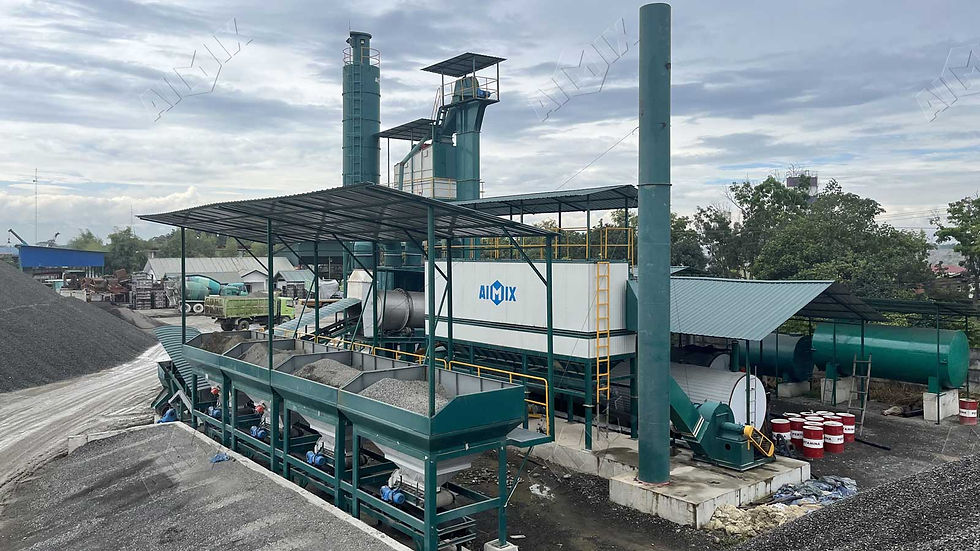
Our Recommendation and Support
If you are looking to start asphalt mix production in Nigeria, we offer both 100 TPH and 150 TPH asphalt mixing plants with reliable performance and easy maintenance. Our team provides on-site consultation, installation support, and training to help you choose the plant that best fits your projects and future growth. By selecting the right equipment, you can reduce costs, improve production efficiency, and meet your client demands effectively.
Contact us today to discuss your project requirements and receive a customized asphalt plant solution tailored for Nigeria’s construction market.


Comments