


Is Owning An Asphalt Plant More Profitable Than Buying Asphalt Mix?
For many road contractors and infrastructure companies, asphalt supply is one of the biggest cost factors in any paving project. Whether the project involves highways, municipal roads, airports, or industrial yards, the contractor must make an important decision early in the planning stage: should they buy asphalt mix from a supplier, or should they invest in their own asphalt plant?
At first glance, buying asphalt mix seems easier. It requires no equipment investment and no plant management. However, many experienced contractors eventually consider owning a plant mix asphalt because it can reduce costs, increase control, and open new revenue opportunities.
So the key question becomes clear: Is owning an asphalt plant more profitable than buying asphalt mix? The answer depends on several practical factors such as project volume, construction schedule, transportation distance, and long-term business plans. In this article, we will analyze these factors from a contractor’s perspective and explain when owning an asphalt plant becomes the smarter and more profitable choice.
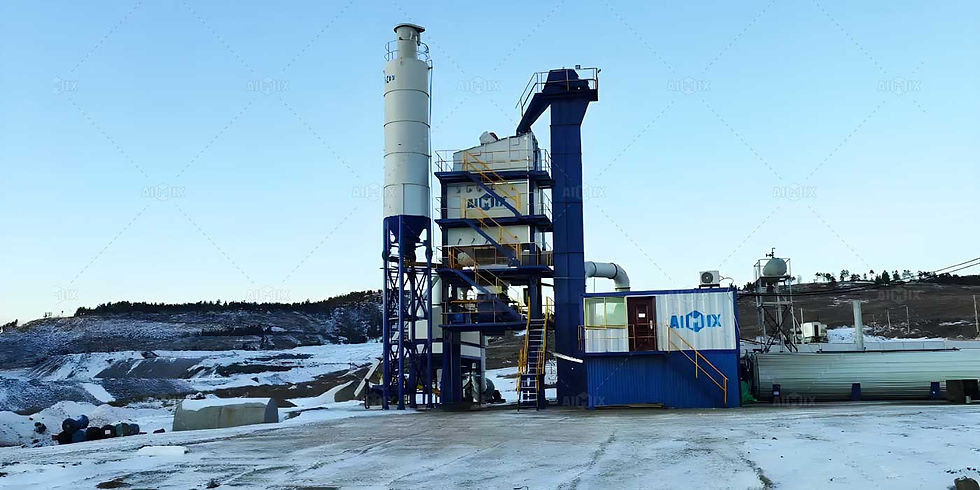
Understanding The Real Cost Of Buying Asphalt Mix
Before comparing profits, contractors first need to understand the true cost structure of buying asphalt mix from external suppliers. The purchase price usually includes not only material costs but also transportation, supplier margin, and market fluctuations.
At first, the price per ton may look reasonable. However, several hidden factors often increase the real project cost over time.
Supplier Pricing And Market Dependence
When contractors rely on external suppliers, they have limited control over pricing. Asphalt mix prices often change with bitumen costs, fuel prices, and local market demand. During peak construction seasons, suppliers may increase prices significantly.
As a result, contractors often face unpredictable material costs. This uncertainty makes project budgeting more difficult, especially for long-term infrastructure projects.
Transportation Distance And Logistics Costs
Transportation plays a major role in asphalt cost. Asphalt must stay hot during delivery, so suppliers typically limit transport distance to 30–50 km. If the project site is far from the asphalt plant, transport costs rise quickly.
In many developing regions, contractors may even need to transport asphalt for 70 km or more. This situation increases fuel costs, truck usage, and delivery time. More importantly, longer transport distances reduce asphalt temperature and may affect paving quality.
Construction Delays And Supply Risk
Another common problem involves supply reliability. When several contractors depend on the same asphalt supplier, production schedules often become crowded.
If supply delays occur, paving crews must wait. Equipment and labor remain idle, but costs continue. Over the course of a project, even small delays can create significant financial losses.
For this reason, many contractors begin to evaluate whether owning their own asphalt plant could offer greater operational control.

What Changes When You Own An Asphalt Plant?
Owning a hot mix plant for road construction changes the entire supply chain of a road construction project. Instead of depending on external suppliers, contractors gain full control over production, scheduling, and material costs.
This shift creates several important advantages that directly influence project profitability.
Lower Material Cost Per Ton
When contractors produce their own asphalt mix, they purchase raw materials such as aggregates, bitumen, and filler directly from suppliers. By eliminating the asphalt supplier’s profit margin, the cost per ton usually decreases.
For example, in many markets, buying asphalt mix may cost between $70 and $120 per ton depending on region and material type. However, self-production can often reduce the cost by 15–30%.
Over a large project requiring tens of thousands of tons of asphalt, these savings quickly become significant.
Flexible Production Based On Project Schedule
Construction schedules rarely follow perfect timelines. Weather conditions, site preparation, and traffic control often affect paving plans.
When contractors own an asphalt plant, they can adjust production according to the actual paving schedule. They produce asphalt when needed and avoid unnecessary waiting time.
This flexibility improves overall project efficiency and keeps paving teams productive.
Better Quality Control
Quality plays a critical role in road durability. When asphalt mix quality varies, pavement performance may suffer.
By operating their own plant, contractors can control mix design, temperature, and aggregate gradation. Engineers can monitor production in real time and make adjustments when necessary.
As a result, contractors maintain consistent paving quality and protect their reputation with project owners.

When Does Owning An Asphalt Plant Become Profitable?
Although owning an asphalt plant offers clear advantages, profitability depends on project scale and production volume. Therefore, contractors must evaluate several key factors before making an investment decision.
Let us examine the most important scenarios where plant ownership becomes financially attractive.
Large Road Construction Projects
Large infrastructure projects typically require huge volumes of asphalt mix. Highway construction, airport runways, and government road programs may consume 100,000 tons or more.
In such cases, purchasing asphalt mix from suppliers can become extremely expensive. By contrast, an on-site or nearby asphalt plant can significantly reduce material and transport costs.
Many contractors recover their plant investment during one or two large projects.
Long-Term Infrastructure Programs
Some contractors participate in long-term government infrastructure programs that last several years. These projects include highway networks, regional road upgrades, or urban road maintenance programs.
When asphalt demand remains stable over time, owning a plant becomes even more attractive. The equipment continues generating value across multiple projects.
Remote Construction Locations
In remote regions, asphalt suppliers may not exist nearby. Contractors must transport asphalt mix over long distances, which increases costs and creates logistical challenges.
In these situations, a mobile or compact asphalt plant installed near the project site can greatly improve efficiency and reduce expenses.
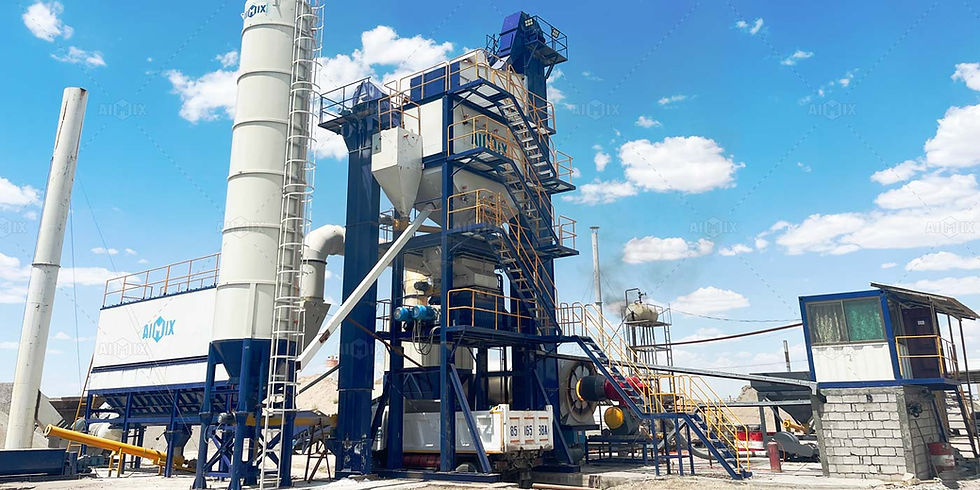
Additional Revenue Opportunities From Asphalt Production
Another important advantage often receives less attention. Owning an asphalt plant does not only support your own projects. It can also create new revenue streams.
Once contractors establish stable production, they can supply asphalt mix to other local construction companies.
Selling Asphalt Mix To Local Contractors
In many growing construction markets, asphalt demand exceeds local supply. Small contractors may not have their own plants and depend entirely on suppliers.
By selling surplus asphalt mix, plant owners can turn their equipment into a profitable business unit.
Over time, asphalt sales may even become an important secondary income source.
Supporting Municipal Road Maintenance
Local governments frequently require asphalt mix for small road repairs and maintenance work. Contractors with asphalt plants can supply these materials quickly.
Because of shorter delivery distances, local governments often prefer nearby suppliers.
This demand creates steady business opportunities between large infrastructure projects.
Choosing The Right Asphalt Plant For Your Business
After recognizing the potential profitability, contractors still need to choose the right asphalt plant type and capacity. Equipment selection directly affects investment cost and long-term performance.
Therefore, careful planning becomes essential before purchasing a plant.
Production Capacity Planning
The plant capacity should match expected project demand. Small contractors often choose plants between 40 TPH and 80 TPH. Medium road projects may require 100 TPH to 160 TPH capacity.
Selecting an oversized plant increases investment cost, while choosing a plant that is too small may limit production efficiency.
Mobile Vs Stationary Asphalt Plants
Mobile asphalt mixing plants work well for contractors who frequently move between projects. These plants install quickly and relocate easily.
Stationary asphalt plants, on the other hand, suit contractors who plan long-term production at one location. They usually provide higher stability and larger capacity.
The best choice depends on the contractor’s business model and project pipeline.

Final Thoughts: A Strategic Investment For Growing Contractors
Buying asphalt mix may work well for small or occasional projects. However, contractors who handle large paving volumes often discover that supplier costs quickly accumulate.
Owning an asphalt plant changes this equation. It lowers material costs, improves project scheduling flexibility, and strengthens quality control. More importantly, it allows contractors to expand their business by supplying asphalt mix to other companies.
Therefore, for contractors involved in continuous road construction, owning an asphalt plant often becomes a strategic investment rather than just an equipment purchase.
If you are evaluating whether an asphalt plant fits your business model, the best approach is to analyze your annual asphalt demand, transportation distance, and long-term project pipeline.
With the right planning and equipment selection, an asphalt plant can become one of the most profitable assets in your construction business.
Are you considering investing in an asphalt plant for your upcoming road projects? Contact our team today to discuss your project requirements, expected production capacity, and site conditions. Our engineers can help you select the most suitable asphalt mixing plant solution to maximize efficiency, control costs, and support your long-term growth in the road construction industry.


Comments