


Popular Small Concrete Batching Plant Models in Southeast Asia
Southeast Asia’s construction landscape has been expanding rapidly thanks to urbanization, infrastructure development, and government investment in housing and transport networks. Amid this growth, contractors and developers are increasingly turning to small concrete batching plant solutions that provide flexibility, cost savings, and consistent quality. In this region—encompassing countries such as Indonesia, the Philippines, Thailand, Vietnam, and Malaysia—compact and efficient batching plants meet the varied needs of construction jobs, from urban high‑rises to rural roadwork.
Two key categories leading this trend are the portable concrete batch plant and the mini concrete batching plant. These smaller systems offer unique advantages in mobility, ease of installation, and affordability, making them particularly popular in Southeast Asia’s diverse building environments.

Why Small Concrete Batching Plants are Gaining Popularity in Southeast Asia
Before discussing specific models, it helps to understand why compact batching solutions are preferred:
Space Constraints: Many urban sites in Southeast Asia have limited space for large, fixed installations. A small concrete batching plant fits easily on tight lots.
Cost Efficiency: Smaller footprints and simpler installation translate to lower capital and operating costs compared with larger stationary plants.
Mobility & Flexibility: For contractors working on multiple sites or in remote areas, mobility is essential. This is where a portable concrete batch plant excels.
Rapid Deployment: Small plants can be assembled quickly—often within days—enabling faster project mobilization.
Suitable Capacity: Many local projects don’t require the high throughput of large plants. A mini concrete batching plant delivers just the right capacity without waste.
Popular Models & Configurations in the Region
1. Portable Concrete Batch Plant – Compact and Move‑Ready
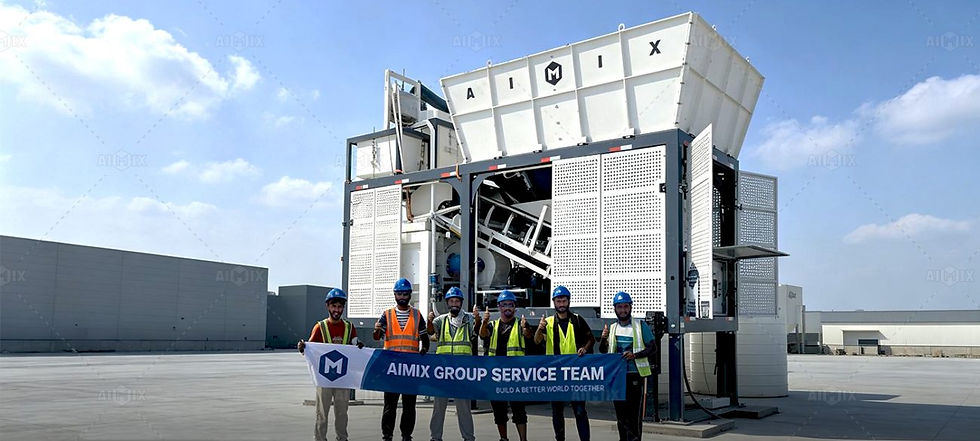
A portable concrete batch plant is engineered for mobility. Mounted on a trailer or modular frame, it can be transported from site to site with minimal effort. For contractors who handle multiple small to medium jobs, this flexibility is invaluable.
Key Features:
Trailer‑mounted or modular design
Fast setup and teardown
On‑site mixing to reduce transport waste
Often integrates conveyor belts, aggregate bins, and cement silos into one unit
Why Southeast Asia Likes It:Countries with archipelagic geography, such as Indonesia and the Philippines, benefit greatly from the mobility of portable plants. Projects spread across islands can avoid the high cost of transporting ready‑mixed concrete by bringing the batch plant to the job site instead. In urban areas like Jakarta or Manila, where traffic congestion can delay concrete delivery, having a portable concrete batch plant on or near site ensures better timing and quality control.
2. Mini Concrete Batching Plant – Small but Powerful
A mini concrete batching plant is ideal for contractors who need a fixed installation but have lower output requirements. These compact systems are often stationary but are sized for small batches, making them ideal for housing projects, small infrastructure works, and local precast operations.
Key Features:
Smaller footprint compared to full‑scale plants
Lower power and resource consumption
Simple control systems
Suitable for output ranges typically between 15–60 m³/hour
Advantages in Southeast Asia:As many developing regions in Southeast Asia focus on affordable housing and rural development, a mini concrete batching plant provides the right balance of capacity and cost. For example, construction firms in Vietnam and Thailand frequently adopt mini plants to serve nearby municipalities, avoiding dependency on external suppliers while controlling concrete quality and scheduling.
3. Stationary Small Concrete Batching Plants – Reliable Workhorses
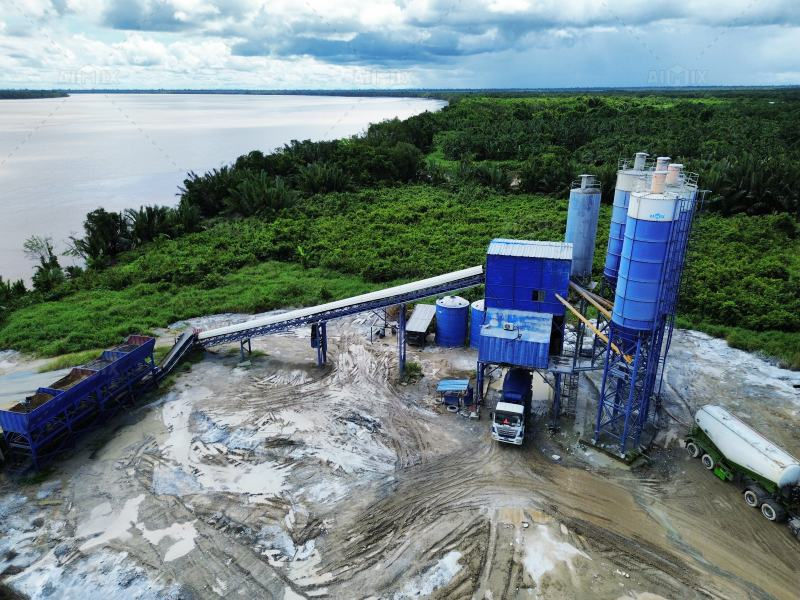
While not as mobile as portable models, stationary small batching plants are popular where a longer‑term project base exists. These plants deliver consistent output and can often handle higher production volumes than mini units without the complexity and cost of larger industrial plants.
Typical Features:
Larger aggregate bins
Integrated water and admixture systems
Can be expanded with additional silos or storage units
Ideal for medium‑scale jobs
Use Cases:In Malaysia and Singapore, where quality standards and regulatory requirements are strict, reliable stationary small batching plants are preferred for long‑term projects like mixed‑use developments and transport hubs. Even though a portable concrete batch plant might be used for initial site work, stationary models often take over for the bulk of the construction phase.

How to Choose the Right Small Concrete Batching Plant Model
Whether opting for a portable concrete batch plant or a mini concrete batching plant, making the right choice depends on several factors:
1. Project Scale and Duration
Assess the volume of concrete needed per day. If the daily requirement is low and projects frequently change locations, portable models are ideal. For longer‑term or larger daily demand, mini or stationary small plants work better.
2. Site Conditions
Urban versus rural sites pose different challenges. Portable units provide flexibility in crowded areas or where access is difficult. Stationary models benefit sites with stable access and longer timelines.
3. Budget and ROI
Initial investment, operational costs, and maintenance are critical. Usually, mini and portable plants offer lower total cost of ownership compared with full‑size stationary plants, making them suitable for small to medium contractors.
4. Regulatory Compliance
Ensure the chosen plant meets local environmental and construction standards—especially important in countries like Singapore, where regulations are stringent.
Conclusion
In Southeast Asia’s fast‑evolving construction market, small concrete batching plant models such as portable concrete batch plants and mini concrete batching plants play a strategic role. They offer the right combination of flexibility, efficiency, and cost control that meets the demands of diverse projects—from high‑density urban builds to remote infrastructure work.
With careful selection based on site needs, budget, and production targets, these compact solutions empower contractors across the region to deliver quality concrete consistently without over‑investing in oversized equipment. Whether it’s a mobile unit traveling between sites or a mini batching plant serving a growing township, small concrete plants are reshaping how construction gets done across Southeast Asia.


Comments