


RMC Plant Project Cost vs Market Demand: Finding the Right Investment Balance
- aimixglobal5
- Jun 2
- 4 min read
Investing in a ready-mix concrete business can be highly profitable, but success depends on finding the right balance between project cost and actual market demand. Many investors focus heavily on the initial RMC plant project cost, assuming that a larger plant automatically generates higher profits. In reality, profitability is determined by how well plant capacity aligns with local construction activity, customer demand, and future market growth. Overinvesting in production capacity can lead to underutilized equipment and slower returns, while underinvesting may limit the ability to capture opportunities in a growing market. Understanding the relationship between project cost and market demand is therefore essential for making sound investment decisions and building a sustainable ready-mix concrete business.
Understanding What Drives RMC Plant Project Cost
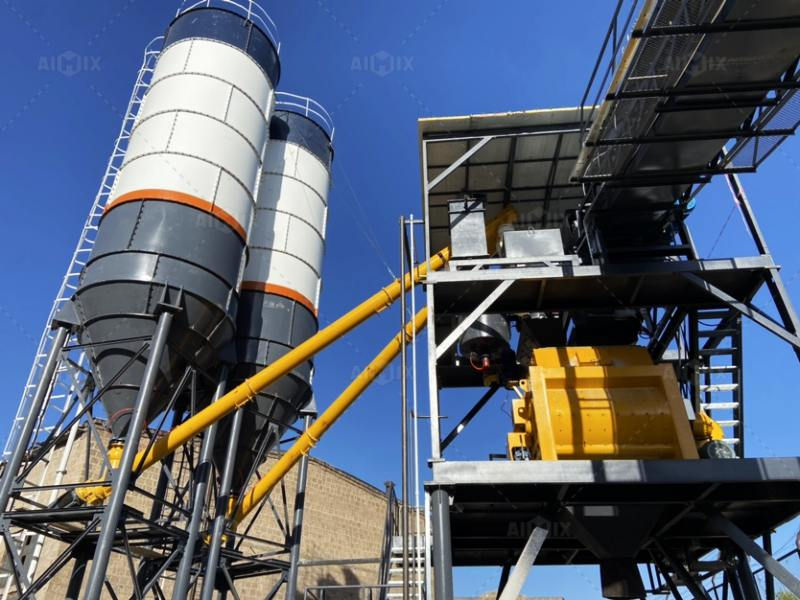
The total RMC plant project cost includes far more than the batching plant itself. Investors must consider land acquisition, site preparation, cement silos, aggregate storage systems, mixers, environmental protection equipment, control systems, transportation vehicles, utilities, and installation expenses. Depending on the project scale, these supporting investments can represent a significant portion of the total budget.
Production capacity is one of the biggest cost drivers. A plant designed for high daily output requires larger storage facilities, more powerful mixing systems, additional loading equipment, and greater infrastructure investment. While these features increase production capability, they also raise both initial capital requirements and ongoing operating costs.
Automation level also affects project cost. Advanced control systems improve efficiency, reduce labor requirements, and enhance quality consistency, but they require additional investment. Investors should evaluate whether the expected production volume justifies these upgrades based on local market conditions.
Why Market Demand Should Guide Investment Decisions
Before determining plant size or budget, investors should carefully analyze market demand. The construction industry in a region directly influences the volume of concrete required. Areas experiencing rapid urbanization, infrastructure expansion, industrial development, or housing growth generally create stronger demand for ready-mix concrete.
A common mistake is selecting equipment solely based on maximum production capacity without evaluating actual customer needs. For example, installing a large-capacity plant in a market with limited construction activity may result in low utilization rates and extended payback periods. In such cases, the investment generates unnecessary financial pressure.
Instead, successful investors start by assessing current concrete consumption, future construction projects, competitor presence, and expected market growth. This demand-focused approach helps determine the most suitable production capacity and prevents overinvestment.
How to Start RMC Plant with Market-Oriented Planning
For entrepreneurs researching how to start rmc plant operations, market analysis should be the first step rather than equipment selection. Understanding who the potential customers are and how much concrete they require provides a foundation for all future investment decisions.
Investors should identify target customer groups such as commercial concrete buyers, contractors, infrastructure developers, industrial projects, and residential construction companies. Analyzing their purchasing patterns helps estimate future demand and determine the required production capacity.
Location selection is equally important. A strategically located plant can reduce transportation costs, improve delivery efficiency, and increase competitiveness. Since ready-mix concrete has limited transportation distance and delivery time requirements, plant location often has a direct impact on profitability.

Matching Plant Capacity to Market Opportunities
The ideal investment balance occurs when production capacity closely matches expected demand while allowing room for future growth. Choosing the right capacity helps maximize equipment utilization and improves return on investment.
In emerging markets, many investors start with medium-capacity plants and expand as demand increases. This phased approach reduces financial risk while maintaining flexibility. Rather than investing heavily in excess capacity from the beginning, operators can gradually add storage, mixing, or batching components when market conditions justify expansion.
For mature construction markets with stable demand, larger plants may offer advantages through economies of scale. Higher production volumes can lower per-unit costs, improve efficiency, and strengthen competitiveness. However, even in these situations, investment decisions should be supported by reliable market forecasts rather than optimistic assumptions.
The Importance of Choosing the Right Ready Mix Concrete Plant Manufacturer
Selecting a reliable ready mix concrete plant manufacturer plays a significant role in achieving the right investment balance. The quality, efficiency, and durability of equipment directly affect long-term operating costs and production performance.
An experienced manufacturer can help investors choose configurations that match actual market requirements instead of simply recommending the largest available model. This consultative approach helps avoid unnecessary expenses while ensuring sufficient capacity for future growth.
In addition, reputable manufacturers provide installation support, operator training, spare parts supply, and technical assistance. These services reduce operational risks and help maintain consistent production performance throughout the plant's lifecycle. Lower downtime and better reliability contribute directly to improved return on investment.
Balancing Initial Investment and Long-Term Profitability
While controlling project cost is important, focusing solely on the lowest possible investment can create problems later. Equipment with poor reliability, insufficient automation, or limited scalability may result in higher operating costs and reduced competitiveness over time.
The goal is not necessarily to minimize investment but to optimize it. Investors should evaluate total ownership costs, including maintenance, energy consumption, labor requirements, and future expansion potential. Sometimes a slightly higher initial investment leads to significantly better long-term financial performance.
Profitability is ultimately driven by efficient production, stable concrete quality, strong customer relationships, and consistent market demand. A balanced investment strategy supports all of these objectives while reducing financial risk.

Conclusion
Finding the right balance between RMC plant project cost and market demand is one of the most important decisions in building a successful ready-mix concrete business. Rather than focusing solely on plant size or equipment cost, investors should carefully evaluate local construction activity, customer demand, competitive conditions, and future growth opportunities. Those researching how to start rmc plant operations should begin with comprehensive market analysis and select equipment that aligns with realistic production requirements. Working with an experienced ready mix concrete plant manufacturer further improves investment decisions by ensuring the plant configuration matches both current and future market needs. By balancing project cost with actual demand, investors can improve equipment utilization, accelerate returns, and build a more sustainable and profitable concrete production business.

Comments