


Steps to Ensure the Safety of Mini Concrete Pump Machine Before Container Shipment
- aimixglobal5
- Dec 11, 2025
- 5 min read
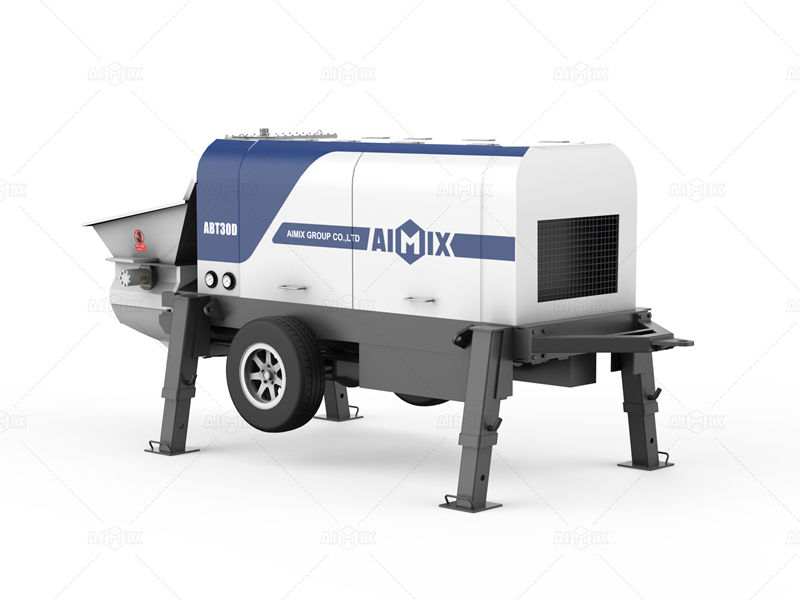
The mini concrete pump machine, as a vital type of concrete pump equipment for small-scale construction projects, requires strict safety guarantees during transportation, especially before shipment in containers. Improper handling in this stage may lead to equipment damage such as component loosening, pipeline deformation, or electrical system failure due to jolting, collision, or moisture during ocean or land transportation. To avoid economic losses caused by equipment damage and ensure the mini concrete pump machine arrives at the destination in good condition, it is essential to follow scientific and standardized steps to carry out safety checks and protective measures. This article details the key steps to ensure the safety of mini concrete pump machine before container shipment, providing a comprehensive operational guide for manufacturers, suppliers, and logistics personnel.

Pre-Shipment Preparation: Clarify Requirements and Sort Out Tools
A solid pre-shipment preparation lays the foundation for the safe shipment of mini concrete pump machine. First, it is necessary to clarify the specific requirements of the shipment, including the container size (20ft, 40ft, or 40ft high cube), the weight limit of the container, and the special requirements of the destination (such as customs inspection standards and transportation regulations). This helps to determine the loading method, fixation scheme, and packaging materials of the concrete pump equipment. For example, if the destination is a region with high humidity, additional moisture-proof measures need to be prepared; if the container has a strict weight limit, it is necessary to accurately weigh the mini concrete pump machine in advance to avoid overloading.
Next, sort out the necessary tools and materials for shipment. Common tools include torque wrenches (for checking fasteners), lifting equipment (such as forklifts or cranes that match the weight of the mini concrete pump machine), and measuring tools (for checking the size of the equipment and container). Protective materials mainly include anti-rust oil, moisture-proof agents, foam padding, wooden brackets, steel wires, strapping belts, and waterproof cloth. It should be noted that the wooden brackets and packaging materials must comply with the international phytosanitary standards (ISPM 15) to avoid being rejected by the customs due to unqualified packaging. In addition, prepare the relevant documents in advance, such as the equipment manual, quality inspection certificate, packing list, and commercial invoice, which will be used in the subsequent inspection and customs clearance links.
Comprehensive Inspection of Mini Concrete Pump Machine: Eliminate Potential Risks
Before loading the mini concrete pump machine into the container, a comprehensive inspection of the equipment is the key step to eliminate potential safety hazards. This inspection covers the core components, electrical system, hydraulic system, and external structure of the concrete pump equipment. First, check the core components: focus on the diesel engine (or electric motor), pumping mechanism, and transmission system. For the diesel engine, drain the remaining fuel in the fuel tank (to avoid leakage during transportation) and check whether the engine oil level is normal; for the electric motor, check whether the wiring terminals are tight and whether the insulation layer is intact. For the pumping mechanism and transmission system, use a torque wrench to check whether the bolts, nuts, and other fasteners of the pump body, crankshaft, and connecting rod are tightened to the specified torque, and re-tighten any loose parts.
Then, inspect the hydraulic system and pipeline: check whether there is leakage in the hydraulic oil tank, oil pipes, and joints. If leakage is found, repair it in time and replace the damaged seals; drain the excess hydraulic oil or use a plug to seal the oil pipe interface to prevent hydraulic oil leakage from polluting the equipment and container. For the electrical system, cut off the power supply first, wrap the electrical components (such as the control panel, sensor, and wiring harness) with waterproof and moisture-proof plastic film, and fix them firmly to avoid damage caused by vibration. Finally, check the external structure of the mini concrete pump machine: repair any sharp edges or protrusions (to avoid damaging the packaging materials or container during transportation) and clean the surface of the equipment to remove dust, oil stains, and debris, which helps to check for hidden damage and prevent rust during transportation.
Professional Fixation and Packaging: Prevent Collision and Vibration
The mini concrete pump machine is prone to collision and displacement due to jolting during container transportation, so professional fixation and packaging are essential. First, carry out packaging and protection for vulnerable parts: wrap the pump tube, control panel, and other vulnerable parts with foam padding or bubble film, and then fix them with tape; apply anti-rust oil to the exposed metal parts (such as the pump body and connecting parts) to prevent rust caused by moisture. For the tires of the mini concrete pump machine (if it is a mobile type), deflate them appropriately to avoid tire burst due to pressure changes during transportation, and fix the tires with wooden blocks to prevent rolling.
Next, place the mini concrete pump machine in the container and fix it. First, place wooden brackets at the bottom of the container (the height of the brackets should be consistent to ensure the equipment is placed stably), then use a forklift or crane to lift the concrete pump equipment into the container slowly, ensuring that the center of gravity of the equipment is in the middle of the container to avoid tilting. After placing the equipment, use steel wires or strapping belts to fix the equipment to the container's fixing rings: the strapping points should be selected at the strong parts of the equipment (such as the frame) to avoid damaging the equipment; the strapping belts should be tightened evenly, and a tensioner should be used to ensure that there is no looseness. In addition, place wooden wedges or rubber pads between the equipment and the container wall to fill the gaps, which can effectively reduce the vibration of the equipment during transportation. Finally, cover the entire equipment with a waterproof cloth to prevent moisture and dust from entering.
Final Inspection and Documentation Confirmation: Ensure No Omissions
After completing the fixation and packaging of the mini concrete pump machine, a final comprehensive inspection of the container and the equipment is required to ensure no safety omissions. First, check the fixation of the equipment: gently push the equipment with hands to confirm that there is no obvious displacement; check whether the strapping belts are tight, whether the wooden brackets are stable, and whether the vulnerable parts are well protected. Then, check the container: close the container door and check whether the door lock is intact; check the container for damage (such as holes, cracks) that may cause moisture or foreign objects to enter, and repair it in time if any damage is found. In addition, place moisture-proof agents and insect-proof tablets in the container (especially for long-distance ocean transportation) to prevent the mini concrete pump machine from being damp or damaged by insects.
Finally, confirm and sort out the relevant documents. Ensure that the packing list accurately records the details of the mini concrete pump machine (such as model, serial number, weight, and quantity) and the packaging materials used; attach the equipment manual, quality inspection certificate, and other documents to the inside of the container door (or hand them over to the logistics personnel separately) for customs inspection and recipient acceptance. It is recommended to take photos or videos of the loaded container, the fixation of the equipment, and the documents as a record, which can be used as evidence to solve disputes in case of equipment damage during transportation.
In conclusion, ensuring the safety of mini concrete pump machine before container shipment requires strict implementation of pre-shipment preparation, comprehensive equipment inspection, professional fixation and packaging, and final inspection and documentation confirmation. Each step is closely linked and indispensable. By following these scientific steps, we can effectively avoid equipment damage caused by transportation risks, ensure that the concrete pump equipment arrives at the destination in good condition, and lay a solid foundation for the subsequent normal use of the equipment. For manufacturers and suppliers, standardized shipment safety measures not only protect their own economic interests but also enhance customer trust and maintain a good market reputation.


Comments