


What Are The Latest Trends In Asphalt Plant Technology?
The asphalt industry is evolving rapidly. Contractors and road builders are constantly seeking technologies that improve efficiency, reduce costs, and ensure high-quality pavement. Staying updated with the latest trends in asphalt plant technology is no longer optional; it is essential for competitive advantage. In this article, we explore the most significant innovations and developments in asphalt plants, highlighting their practical benefits for construction projects around the world.
Digitalization And Automation In Asphalt Plants
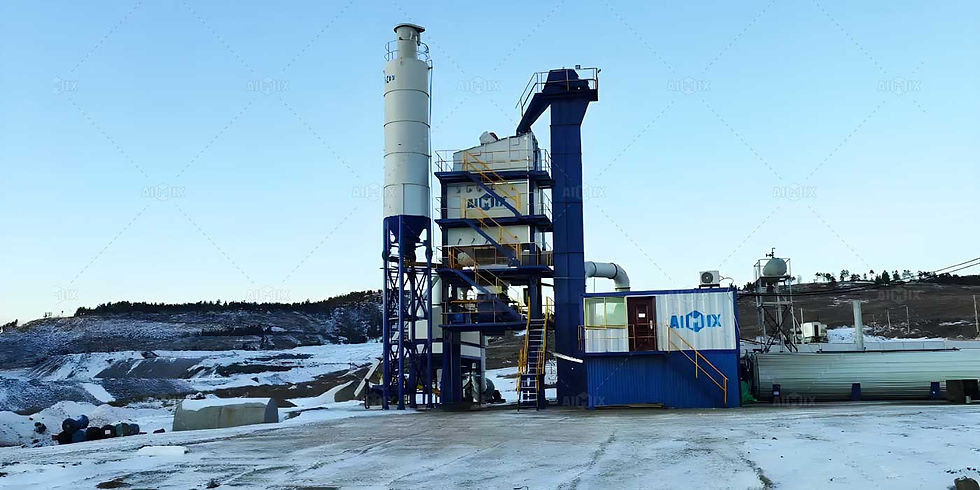
One of the most visible trends in modern asphalt plants is the integration of digital and automated systems. These technologies allow operators to control plant operations with higher precision and minimal manual intervention. For instance, automated feeders, mixers, and conveyors reduce human errors, ensuring consistent mix quality.
Moreover, digital dashboards now provide real-time monitoring of production parameters, including temperature, moisture content, and mixing time. Contractors benefit from this transparency because they can identify issues early, reducing downtime and waste. With automation, plants can achieve higher output without increasing labor costs, which is crucial for large-scale infrastructure projects.
As digital systems evolve, some hot mix asphalt plants even feature remote monitoring capabilities. This allows engineers and supervisors to adjust settings or troubleshoot issues from a distance. Consequently, plants become more flexible and responsive, meeting tight project schedules efficiently.
Eco-Friendly And Sustainable Solutions
Environmental concerns are driving asphalt plant innovations. Governments and clients increasingly demand sustainable construction practices, which pushes manufacturers to develop eco-friendly solutions.
Modern asphalt plants now include advanced emission control systems. These systems significantly reduce dust, volatile organic compounds (VOCs), and greenhouse gases during production. Contractors can meet environmental regulations while maintaining high operational efficiency.
In addition, the use of recycled asphalt pavement (RAP) is growing rapidly. Current technology enables plants to integrate high percentages of recycled material without compromising the quality of the final asphalt mix. This not only reduces the need for virgin materials but also lowers production costs. From a client perspective, sustainable practices improve project reputation and may qualify for government incentives or green certifications.

Energy-Efficient Heating And Drying Systems
Energy consumption is a major concern for asphalt plant operators. Traditional plants often rely on high-temperature dryers, which consume substantial amounts of fuel. New heating and drying systems are designed to maximize energy efficiency and reduce operational costs.
For example, counterflow drum dryers are now widely used because they allow better heat exchange and lower fuel consumption. Additionally, some plants employ waste heat recovery systems, which capture excess heat from exhaust gases to preheat raw materials. These systems not only save energy but also reduce emissions, aligning with global sustainability goals.
Contractors benefit from energy-efficient plants because lower fuel costs translate into reduced project expenses. This improvement is particularly valuable for long-term or high-volume projects where fuel costs represent a significant portion of operational budgets.
Flexible Production Capabilities For Diverse Projects
Construction projects vary in scale and complexity, requiring different asphalt mix designs. Modern asphalt plants are increasingly designed for flexibility, allowing operators to produce multiple types of asphalt simultaneously or switch quickly between batches.
For instance, batch mixing plants can produce high-performance asphalt for highways while also producing standard mixes for local roads. This adaptability helps contractors handle multiple projects efficiently without investing in multiple plants. Furthermore, flexible plants reduce downtime associated with material changes and cleaning between batches.
From a customer’s perspective, flexibility ensures timely delivery of asphalt with the right specifications. This capability can make a critical difference in meeting project deadlines and avoiding penalties for late completion.

Advanced Quality Control Systems
Consistent asphalt quality is a top priority for contractors. Recent technological developments focus on enhancing quality control throughout the production process. Modern plants employ sensors and online testing systems to measure properties such as aggregate size, temperature, and binder content in real time.
These systems allow for immediate adjustments, preventing defective batches from reaching the construction site. Additionally, some plants integrate statistical process control (SPC) software, which analyzes historical data to predict potential quality issues. This proactive approach reduces material wastage and ensures that every batch meets project standards.
Reliable quality control also improves client trust. Contractors can provide documented proof of compliance with specifications, which is particularly valuable for government or large-scale commercial projects.
Integration With Construction Project Management
Another emerging trend is the integration of asphalt plant operations with overall project management systems. Cloud-based platforms can link plant production schedules with paving schedules, logistics, and resource allocation. This integration ensures that asphalt is delivered just-in-time, reducing storage needs and preventing material cooling or degradation.
By connecting production data to project management software, contractors gain complete visibility over supply chains. This insight allows better coordination with transport fleets, paving crews, and project supervisors. The result is smoother operations, fewer delays, and optimized labor utilization.
Mobile And Modular Asphalt Plants
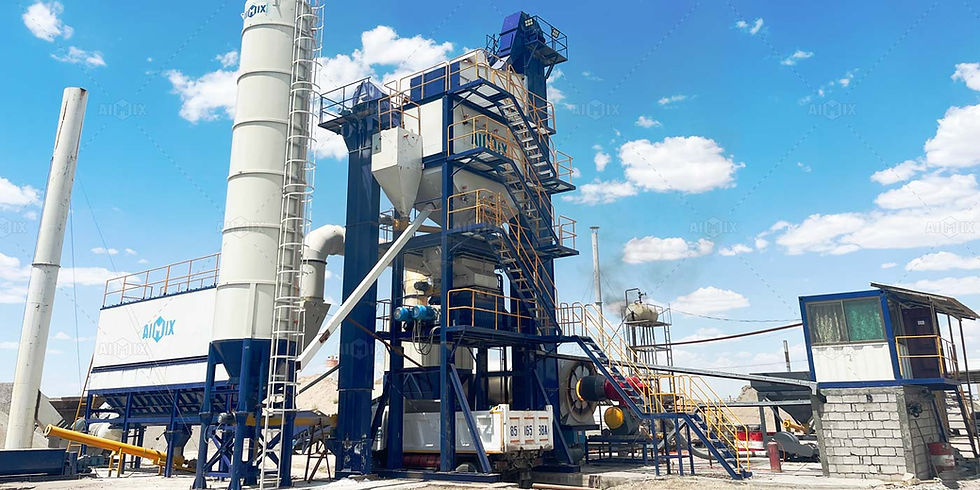
For projects in remote locations or areas with limited infrastructure, mobile and modular asphalt plants are becoming increasingly popular. These mobile asphalt mix plants can be transported and installed on-site quickly, reducing the need for long-distance transport of hot mix asphalt.
Modular designs also allow contractors to expand or relocate capacity as project demands change. For example, a modular plant can be upgraded with additional mixers, silos, or storage units to meet growing production needs. This scalability ensures that contractors can respond effectively to dynamic project requirements without large upfront investments.
Cost-Effective Maintenance And Service Solutions
Maintenance and uptime are critical concerns for asphalt plant operators. New trends in plant design emphasize easy access to key components, modular replacement parts, and predictive maintenance tools. Sensors now monitor the health of motors, belts, and burners, alerting operators before a failure occurs.
Predictive maintenance reduces unplanned downtime and repair costs, which directly impacts project profitability. Contractors benefit from increased reliability and longer plant lifespans, reducing overall lifecycle costs. Additionally, manufacturers now offer service packages, training, and remote support, further enhancing operational efficiency.

Conclusion: Why Contractors Should Embrace Modern Asphalt Plant Technology
Modern asphalt plant technologies offer tangible benefits for contractors and project owners alike. Digitalization and automation improve efficiency and reduce errors. Eco-friendly systems support sustainability while reducing operational costs. Flexible production capabilities and advanced quality control ensure consistent, high-quality asphalt for diverse projects. Meanwhile, mobile and modular designs provide scalability, and integrated project management ensures timely delivery.
Investing in the latest asphalt plant technology is not just about keeping up with trends; it is about gaining a competitive edge. Contractors can complete projects faster, with better quality, lower costs, and minimal environmental impact. The right technology allows construction companies to meet client expectations, comply with regulations, and increase profitability.
If you are a contractor or project owner seeking reliable asphalt solutions, now is the time to consider upgrading to modern asphalt plant technology. Evaluate the latest models, compare features, and choose a plant that fits your project scale and requirements. By doing so, you ensure long-term success, efficiency, and sustainability for all your paving projects.


Comments