


What Asphalt Plant Capacity Matches A Paving Team Using One 12-Meter Asphalt Paver?
Choosing the right asphalt plant capacity is one of the most important decisions for road construction contractors. A paving team with one 12-meter asphalt paver may have strong paving ability, but the asphalt supply must match the actual paving speed. If the asphalt plant produces too little material, the paver must stop frequently, causing cold joints, lower efficiency, and higher labor costs. However, if the asphalt plant capacity is much higher than the project demand, the contractor may spend more money on unnecessary production capacity.
Therefore, many contractors ask a practical question before purchasing equipment: What asphalt plant capacity matches a paving team using one 12-meter asphalt paver? The answer depends on several factors, including paving thickness, paving width, asphalt mixture density, working hours, transportation distance, and project type.
In most road construction projects, one 12-meter best asphalt paver usually works well with an asphalt plant capacity between 80 TPH and 160 TPH. However, the best choice is not always the largest model. A professional equipment selection process should consider the entire paving operation, from asphalt production to final compaction.

Why Asphalt Plant Capacity Must Match The 12-Meter Asphalt Paver
A 12-meter asphalt paver is commonly used for highways, urban roads, airport projects, industrial roads, and large paving areas. It can cover a wide working width, which means the asphalt demand can increase quickly during continuous paving.
For example, when a contractor uses a 12-meter paver to construct a highway surface layer, the machine may spread asphalt across the full lane width at a stable speed. At this moment, the asphalt plant must provide enough hot mix asphalt continuously. Otherwise, the paver operator needs to reduce speed or stop the machine while waiting for trucks.
These interruptions create several problems. First, the paving quality may decrease because the asphalt temperature changes during waiting time. Second, truck scheduling becomes inefficient. Third, the contractor spends more money on fuel, labor, and equipment operation.
Therefore, asphalt production capacity should not only match the paver size. It should support the complete paving system, including transportation and site conditions.
How To Calculate Asphalt Demand For A 12-Meter Paver
Before selecting an asphalt mixing plant, contractors should estimate the hourly asphalt demand of the paving operation. This calculation helps avoid choosing equipment based only on machine appearance or price.
The basic factors include paving width, paving thickness, paving speed, and asphalt mixture density. Although actual production changes from project to project, a simple calculation can provide a useful reference.
Key Factors Affecting Asphalt Consumption
A wider paving width requires more asphalt material. A thicker pavement layer also increases material consumption. Meanwhile, higher paving speed improves productivity but requires a stronger asphalt supply.
For example, a 12-meter asphalt paver working on a 5 cm asphalt surface layer may consume much less material than the same paver constructing a 10 cm base layer.
Factor | Impact On Asphalt Plant Capacity |
Paving Width | Larger width increases hourly asphalt demand. |
Paving Thickness | Thicker layers require more hot mix asphalt. |
Paving Speed | Higher speed needs continuous asphalt supply. |
Transportation Distance | Longer distance requires additional production capacity to avoid waiting time. |
Project Schedule | Large daily paving targets need higher plant productivity. |
For many highway contractors, the goal is not only to keep the paver moving. The goal is to achieve stable paving quality while completing daily production targets.
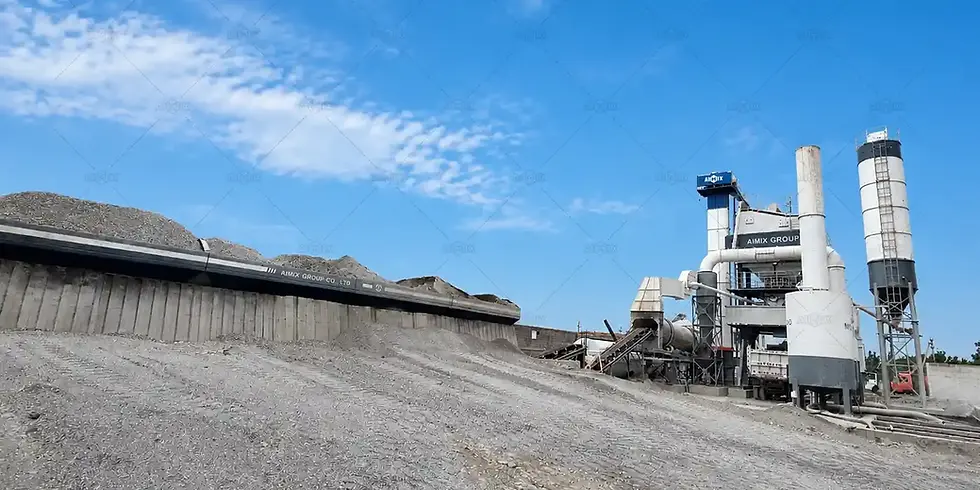
Recommended Asphalt Plant Capacity For One 12-Meter Asphalt Paver
Based on common road construction conditions, different asphalt plant capacities fit different project requirements. However, contractors should always consider their actual paving speed and daily production target.
80 TPH Asphalt Plant: Suitable For Medium-Speed Paving Projects
An 80 TPH asphalt plant can support a 12-meter paver in smaller or medium-scale projects. It works well when the contractor has a moderate paving speed, shorter working hours, or limited daily asphalt demand.
For example, municipal roads, airport maintenance projects, rural highways, and industrial roads may not require maximum paving speed every day. In these situations, an 80 TPH tarmac asphalt plant can provide a balanced solution with reasonable investment and operating costs.
However, contractors should carefully check transportation conditions. If the asphalt plant is far from the paving location, production interruptions may occur because trucks cannot deliver material quickly enough.
100-120 TPH Asphalt Plant: The Most Common Choice For One 12-Meter Paver
For many contractors, a 100-120 TPH asphalt plant provides a better balance between productivity, investment, and flexibility.
This capacity range can usually support continuous paving operations with one 12-meter asphalt paver. It allows enough production capacity for highway sections, urban expressways, and large commercial road projects.
Moreover, a 100-120 TPH asphalt plant gives contractors more flexibility. If the project requires longer working hours or higher daily output, the plant can still maintain stable supply without excessive pressure.
160 TPH Asphalt Plant: For High-Production Highway And Large Infrastructure Projects
A 160 TPH asphalt plant is a suitable choice when a contractor wants maximum paving efficiency with one 12-meter asphalt paver. This capacity is especially useful for large highway projects, airport runways, expressways, and government infrastructure projects with strict construction schedules.
For example, when a contractor needs to complete several thousand tons of asphalt pavement within a short construction period, a higher-capacity asphalt plant reduces waiting time for trucks and keeps the paver operating continuously.
However, higher capacity also means higher investment, larger installation requirements, and greater operating costs. Therefore, contractors should confirm their actual project demand before selecting a 160 TPH plant.
In other words, the best asphalt plant is not the one with the largest output. It is the one that matches the paving team’s real production target.

How Daily Asphalt Demand Influences Asphalt Plant Selection
Besides matching hourly paving speed, contractors should also consider daily asphalt production requirements. A paving team using one 12-meter asphalt paver may work on different project scales. Therefore, the required asphalt plant capacity can vary significantly.
For instance, a small municipal road project may need only several hundred tons of asphalt per day. Meanwhile, a highway project may require thousands of tons daily.
Daily Asphalt Demand | Recommended Asphalt Plant Capacity | Typical Applications |
300-600 Tons/Day | 60-100 TPH | Municipal roads, repair projects, small highways |
600-1000 Tons/Day | 100-120 TPH | Urban roads, industrial parks, regional highways |
1000-1500+ Tons/Day | 120-160 TPH | Expressways, airports, large infrastructure projects |
Therefore, contractors should estimate daily asphalt demand before purchasing equipment. This approach helps avoid two common mistakes: insufficient production and unnecessary investment.
Batch Asphalt Plant Or Drum Asphalt Plant For A 12-Meter Paver?
After deciding the required capacity, contractors also need to select the right asphalt plant type. The choice between a batch asphalt plant and a drum asphalt plant depends on project requirements, mixture quality standards, and production flexibility.
Why Many Road Contractors Prefer Batch Asphalt Plants
Batch asphalt plants are widely used for highway and infrastructure projects because they provide accurate mixture control. The plant produces asphalt mixture batch by batch, allowing precise control of aggregate, mineral powder, and asphalt proportions.
This advantage becomes important when projects require different asphalt mixtures, such as surface courses, binder layers, and base layers.
For a 12-meter asphalt paver working on high-quality road projects, a batch asphalt plant can provide consistent asphalt quality throughout the paving process.
For example, many contractors in Indonesia, Malaysia, and Southeast Asia choose batch asphalt plants for highways and government road projects because these projects often require stable quality and strict standards.
When A Drum Asphalt Plant Can Be A Good Option
A drum asphalt plant can also meet the needs of some paving teams, especially when the project requires continuous production and a simpler operation process.
It can be a practical choice for large-volume projects with fewer mixture changes. For example, mining roads, rural roads, and some private infrastructure projects may benefit from continuous asphalt production.
However, contractors should evaluate local project requirements carefully. The lowest purchase cost does not always create the lowest total project cost.

Common Mistakes When Choosing Asphalt Plant Capacity
Many contractors focus only on the asphalt paver width when selecting an asphalt plant. However, several other factors influence actual production efficiency.
Choosing A Plant With Too Low Capacity
A small asphalt plant may look attractive because of lower initial investment. However, if production cannot match the 12-meter paver demand, the entire paving operation slows down.
The contractor may face frequent truck waiting, unstable paving speed, and lower daily output. Over time, these hidden costs can become much higher than the initial equipment savings.
Choosing Excessive Capacity Without A Clear Plan
Some contractors believe a larger asphalt plant always creates better results. However, oversized equipment may increase fuel consumption, maintenance requirements, and unused production capacity.
For example, a contractor handling medium-scale road projects may not need a 240 TPH asphalt plant when a 100-160 TPH solution already meets the paving requirement.
A professional selection process should balance production capacity, project schedule, investment budget, and future business development.
What Contractors Should Check Before Buying An Asphalt Plant
Before making a final decision, contractors should review several practical questions. These questions help ensure that the hma plant matches the complete construction workflow.
1. What Is The Target Daily Asphalt Output?
First, calculate how many tons of asphalt mixture the project requires every day. This number directly affects the suitable plant capacity.
2. How Far Is The Asphalt Plant From The Paving Site?
Transportation distance has a major influence on paving efficiency. A plant located far away may need additional production capacity to maintain continuous asphalt supply.
3. What Asphalt Mixture Quality Does The Project Require?
Highways, airports, and government projects often require strict mixture accuracy. In these cases, contractors should pay more attention to asphalt plant control systems and mixing technology.
4. Can The Plant Support Future Projects?
Many contractors purchase asphalt plants not only for one project but also for future business growth. A slightly higher capacity may provide better long-term value if the contractor expects more road construction opportunities.

Practical Recommendation: The Best Capacity Range For One 12-Meter Asphalt Paver
For most contractors using one 12-meter asphalt paver, a 100-160 TPH asphalt plant is usually the most practical choice.
A 100-120 TPH plant works well for medium-scale road projects because it provides stable asphalt supply while controlling investment costs.
A 140-160 TPH plant is more suitable for contractors working on highways, airports, expressways, and large infrastructure projects where continuous paving speed is critical.
Meanwhile, smaller plants such as 80 TPH models can still work effectively when project demand is limited and transportation conditions are favorable.
Therefore, contractors should select capacity according to real production needs instead of simply choosing the biggest machine.
Frequently Asked Questions About Asphalt Plant Capacity For A 12-Meter Paver
Can A 60 TPH Asphalt Plant Support A 12-Meter Asphalt Paver?
Yes, but only for projects with lower paving speed, smaller daily output, or short transportation distance. For continuous highway paving, a higher-capacity plant usually provides better efficiency.
Is A 120 TPH Asphalt Plant Enough For Highway Construction?
In many cases, yes. A 120 TPH asphalt plant can support one 12-meter paver for many highway and road projects when truck transportation and site management are well organized.
Does A Bigger Asphalt Plant Always Improve Road Construction Efficiency?
No. A larger plant improves production capacity, but the complete system must match. Truck numbers, paving speed, storage capacity, and project demand all affect final efficiency.
Should I Choose A Mobile Or Stationary Asphalt Plant For A 12-Meter Paver?
The answer depends on project location and construction plans. Mobile asphalt plants are suitable for contractors who move between different sites frequently. Stationary asphalt plants are better for long-term projects or fixed production bases.

Choose The Right Asphalt Plant To Maximize Your Paving Performance
A 12-meter asphalt paver represents strong paving capability, but its performance depends on a reliable asphalt supply system. The right asphalt plant capacity helps contractors reduce waiting time, maintain asphalt temperature, improve paving quality, and complete projects on schedule.
For most applications, 100-160 TPH asphalt plants provide a practical balance between production capacity and investment efficiency. However, every project has different conditions, including road size, location, transportation distance, and construction targets.
Before purchasing an asphalt plant, discuss your project requirements with an experienced supplier. A professional team can help calculate asphalt demand, recommend suitable capacity, and design a complete paving solution.
If you are planning a highway, airport, industrial road, or large paving project with one 12-meter asphalt paver, choosing the right asphalt plant capacity is the first step toward higher productivity and better road quality.

Comments