


What Asphalt Production Plant Solution Is Needed In Kazakhstan Cold Region Roads?
Kazakhstan is known for its extreme continental climate. In winter, temperatures can drop far below -30°C. In such conditions, road construction becomes a real engineering challenge. For contractors and developers, choosing the right asphalt production plant solution is not just a technical decision. It directly affects project cost, road durability, and construction efficiency.
So the key question is clear: what kind of asphalt production plant solution actually works in Kazakhstan cold region roads? In this article, we will break it down from a practical construction perspective. We will focus on real operational needs, not just theoretical specifications.

Cold Climate Challenges In Kazakhstan Road Construction
Before selecting any asphalt plant, we must understand the environment first. Kazakhstan’s cold regions create multiple construction barriers that directly affect asphalt quality and production stability.
At the same time, these challenges are not isolated. They interact with each other and make production even more complex. Let’s look at the most critical factors.
Extreme Low Temperatures Affect Asphalt Mixing
In winter, aggregates and bitumen lose temperature very quickly. As a result, asphalt mixture becomes harder to maintain workability during transport and paving. If temperature drops too fast, compaction quality will decrease significantly.
Frozen Aggregates And High Moisture Content
In many regions, aggregates are stored outdoors. Snow and ice increase moisture content. When these materials enter the drying drum, extra energy is required. This increases fuel cost and slows down production efficiency.
Long Transportation Distances
Kazakhstan has large project distances between quarry sites and construction areas. Therefore, asphalt mixture often travels longer time before paving. This increases heat loss risk and requires better thermal stability control from the plant system.
Because of these conditions, a standard asphalt plant is often not enough. This naturally leads us to the question of what type of solution is more suitable.
Key Requirements For Asphalt Production Plants In Cold Regions
When we analyze real project demands in cold regions, we can identify several essential requirements. These requirements define whether a plant can operate successfully in Kazakhstan or not.
Strong Heating And Insulation System
First, the plant must maintain stable heating performance. Bitumen tanks must be fully insulated. Thermal oil heating systems or high-efficiency burners help stabilize temperature even during night operations.
In addition, pipelines and storage silos should also include insulation layers. This reduces heat loss and improves overall energy efficiency.
High Drying Efficiency For Wet Aggregates
Because aggregates often contain ice and moisture, drying systems must be powerful. Counterflow drying drums perform better in cold climates because they improve heat utilization and reduce fuel waste.
At this point, energy efficiency becomes not only a cost issue but also a production stability issue.
Precise Temperature Control System
Modern asphalt production in cold regions requires intelligent control systems. Operators need real-time monitoring of aggregate temperature, bitumen flow, and mixing temperature.
This ensures that every batch meets required paving standards, even when outdoor temperatures change rapidly.
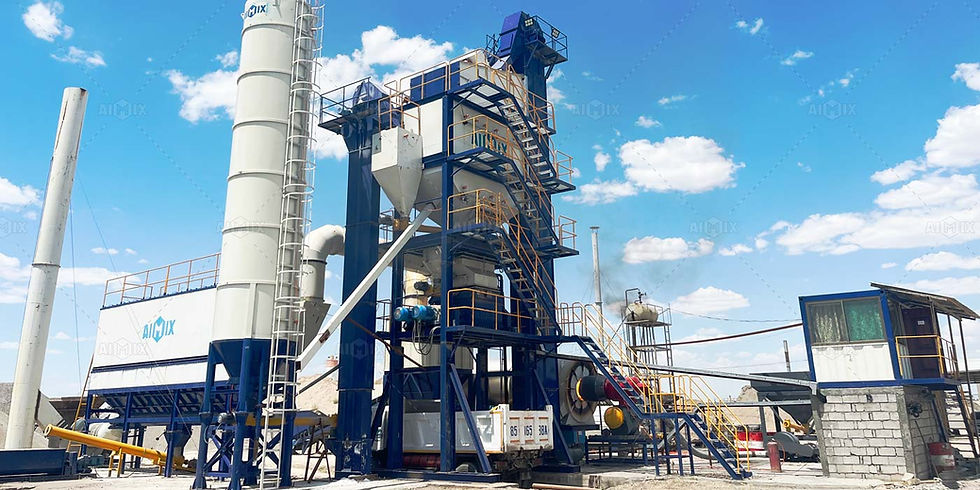
Recommended Asphalt Plant Solutions For Kazakhstan
Now we move to the most important part: selecting the right type of asphalt production plant solution. Different project scales require different configurations.
Therefore, we will divide solutions into three practical categories based on real construction needs.
Mobile Asphalt Plant Solution For Remote Cold Regions
For remote areas in Kazakhstan, mobility becomes a major advantage. Mobile asphalt plants for sale can be installed quickly and relocated easily as project sites change.
This solution works especially well for road maintenance projects and linear highway construction. It reduces transportation distance and helps maintain mixture temperature closer to the paving site.
Moreover, mobile systems reduce setup time, which is critical when construction windows are short due to seasonal weather changes.
Stationary Batch Asphalt Plant For Large Highway Projects
For long-term infrastructure projects such as national highways, stationary batch plants are more suitable. They provide higher precision and stable output quality.
In cold regions, batch plants offer better control over mix design. This is important because different road layers require different asphalt formulas depending on temperature stress and load conditions.
Furthermore, stationary plants can integrate advanced heating systems and larger storage silos. This improves continuous production capability during peak construction seasons.
Drum Mix Asphalt Plant For Continuous Production Needs
In some Kazakhstan projects, contractors prefer continuous production. In this case, drum mix asphalt plants become a cost-effective solution.
They offer lower fuel consumption and simpler operation. However, they provide less flexibility compared to batch plants.
Therefore, drum mix solutions are more suitable for standard road layers rather than high-spec highway surfaces.
Operational Optimization Strategies In Cold Weather
Even the best asphalt plant cannot perform well without proper operation strategies. In Kazakhstan cold regions, operational discipline becomes just as important as equipment selection.
Preheating Aggregates Before Production
Operators should ensure aggregates are preheated properly before entering the mixing process. This reduces sudden temperature drops and improves mixture uniformity.
Adjusting Mix Design For Temperature Resistance
Cold regions require asphalt mix designs with higher flexibility. Contractors often adjust bitumen grade to improve cracking resistance under low temperatures.
This directly improves long-term road durability.
Shortening Transport Time To Construction Site
The shorter the transport time, the less heat loss occurs. Therefore, plant location planning becomes a key factor in project success.
In many Kazakhstan projects, contractors position plants closer to highway segments to reduce temperature degradation.

Cost Efficiency And ROI Considerations
Investing in an asphalt production plant in cold regions is not only about initial cost. Long-term operational efficiency matters more.
For example, fuel consumption increases significantly in cold climates if the drying system is inefficient. Therefore, selecting a high-efficiency burner system can reduce long-term operating costs.
At the same time, stable production reduces downtime risk. This helps contractors complete projects faster and improve return on investment.
In many cases, contractors in Kazakhstan prioritize lifecycle cost rather than purchase price alone. This approach leads to better long-term profitability.
How To Choose The Right Asphalt Plant Supplier
Selecting equipment is only part of the decision. Choosing the right supplier is equally important, especially for cold region projects.
Look For Cold Region Project Experience
Suppliers with experience in cold climates can provide more practical configurations. They understand insulation requirements, burner selection, and material behavior in freezing conditions.
Check Local Service And Spare Parts Support
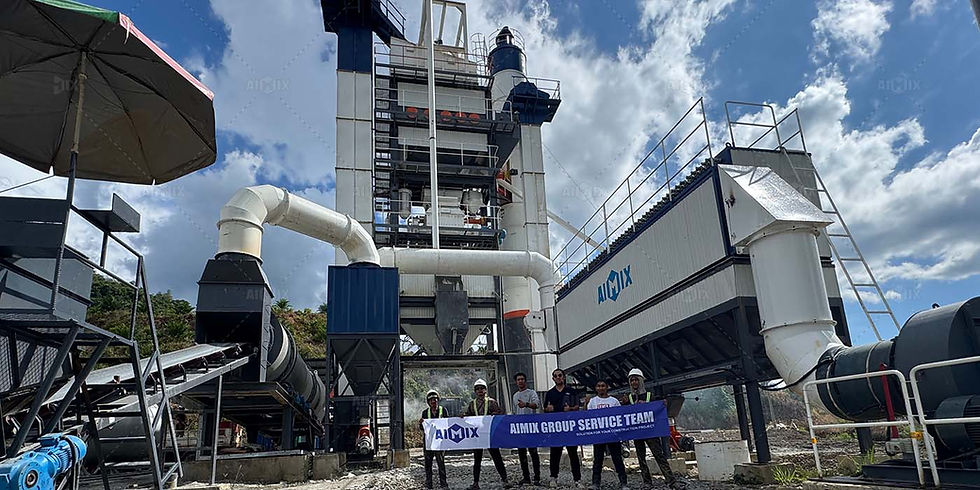
Kazakhstan projects often operate in remote areas. Therefore, local technical support and spare parts availability become critical for minimizing downtime.
Evaluate Customization Capability
Conclusion And Call To Action
In conclusion, asphalt production plant solutions for Kazakhstan cold region roads must focus on three core factors: thermal stability, moisture handling, and production efficiency. Mobile asphalt plants work best for remote and flexible projects, while stationary batch plants deliver higher precision for large highways. Drum plants offer cost advantages for continuous production needs.
However, the real success of a project depends on matching the right equipment with the right construction environment. Cold climate is not just a challenge. It is also an opportunity to improve engineering quality through better planning and smarter plant selection.
If you are planning a road project in Kazakhstan or similar cold regions, choosing the right asphalt production plant solution can significantly reduce risk and improve ROI. A professional evaluation based on your project conditions will help you make a more efficient investment decision.
Contact us today to get a customized asphalt plant solution tailored for cold region road construction. Our engineering team can help you analyze capacity, configuration, and cost efficiency to ensure your project runs smoothly even in extreme weather conditions.


Comments