


What Is The Final Decision Factor When Selecting Asphalt Plant?
In road construction projects, choosing the right asphalt plant is never a simple equipment purchase. It directly impacts project cost, production stability, construction speed, and even long-term contract performance. Many buyers focus on capacity, price, or brand at the beginning. However, when all technical comparisons are completed, there is always one final decision factor that determines the outcome.
That final decision factor is not just a single number or specification. It is the overall project fit between production demand, operational reliability, and long-term economic performance. In other words, contractors ultimately choose the asphalt plant for sale that can safely deliver consistent output under real construction conditions, not just on paper.
This article explains how professional contractors and project owners make the final decision, and what truly matters when all options seem similar.

Understanding The Real Goal Behind Asphalt Plant Selection
Before discussing the final decision factor, it is important to understand what customers actually want. Most buyers do not simply want an asphalt plant. They want a stable production system that supports continuous paving work without delays or breakdown risks.
At this stage, many project owners compare specifications such as 60 TPH, 120 TPH, or 160 TPH. However, capacity alone does not guarantee success. Instead, the real goal is to ensure smooth material supply to the paving site every day.
As a result, decision makers gradually shift their focus from machine specifications to project performance. This transition leads directly to the final decision factor.
The Final Decision Factor: Operational Reliability Under Real Project Conditions
When all technical comparisons are done, operational reliability becomes the final decision factor. This includes how stable the plant performs in real environments such as high temperature, dust conditions, humidity, and continuous 10–16 hour operation cycles.
Even if two plants have similar capacity and price, contractors will choose the one that reduces uncertainty during production. Because in real construction projects, downtime is more expensive than equipment cost.
Therefore, reliability becomes more important than theoretical performance. This is especially true for highway projects, municipal roads, and long-term infrastructure contracts where deadlines are strict.
Why Reliability Matters More Than Specifications
Specifications can be compared easily on paper. However, construction reality is different. For example, a 120 TPH central hot mix plant may look perfect in technical data, but if it cannot maintain output stability during peak demand hours, the entire paving schedule will be affected.
In addition, inconsistent heating systems or unstable mixing cycles can cause asphalt quality variation. This leads to rework, material waste, and project delays. As a result, contractors prioritize stable operation over maximum theoretical output.
In short, reliability reduces risk. And in construction, reduced risk equals higher profit security.

How Contractors Evaluate Real-World Performance Before Buying
After understanding the importance of reliability, buyers usually evaluate how the plant performs in real scenarios. This stage often becomes the most decisive part of the selection process.
Instead of focusing only on brochures, experienced contractors ask practical questions such as daily output consistency, fuel consumption stability, maintenance frequency, and operator convenience.
Once these factors are clear, they move closer to final decision making. However, another important element still plays a role in confirming the choice.
Production Continuity And Project Schedule Control
In large road projects, asphalt supply must match paving speed. If production stops even for a few hours, the entire construction chain is affected.
Therefore, contractors evaluate whether the plant can maintain continuous operation during peak workload. This includes mixing system stability, aggregate feeding consistency, and drying drum performance.
As a result, a plant that supports uninterrupted production often becomes the preferred choice, even if it is not the cheapest option.
Total Cost Efficiency Becomes The Final Confirmation Layer
Although reliability is the main decision factor, cost efficiency still plays a final confirmation role. However, it is not just the purchase price. Instead, it includes fuel consumption, maintenance cost, spare parts availability, and labor efficiency.
Many contractors realize that a slightly higher initial investment can reduce long-term operational costs significantly. This is especially important for projects lasting several months or even years.
Therefore, the final decision is often made when buyers see the full lifecycle cost comparison clearly.
Why Low Initial Price Can Be Misleading
A lower-priced asphalt plant may look attractive at first. However, if it requires frequent maintenance or consumes more fuel, the total project cost increases quickly.
For example, unstable heating systems can increase fuel usage by a noticeable percentage over time. Similarly, low-quality components may lead to unexpected shutdowns.
Because of this, experienced buyers always evaluate long-term cost impact instead of focusing only on initial price.
Customization And Local Project Adaptation
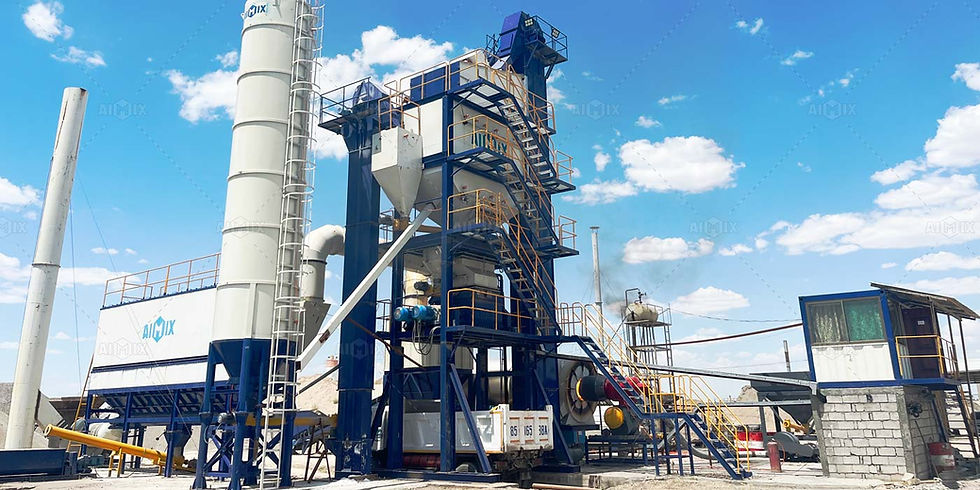
Another important factor influencing the final decision is whether the asphalt plant can adapt to local project conditions. Different regions have different material types, weather conditions, and project requirements.
For instance, in tropical regions with high humidity, drying efficiency becomes critical. In mountainous areas, mobility and installation flexibility become more important.
Therefore, contractors prefer solutions that can be adjusted based on real project environments rather than fixed standard designs.
This adaptability often becomes the final push that confirms the purchase decision.
After-Sales Support And Technical Service Capability
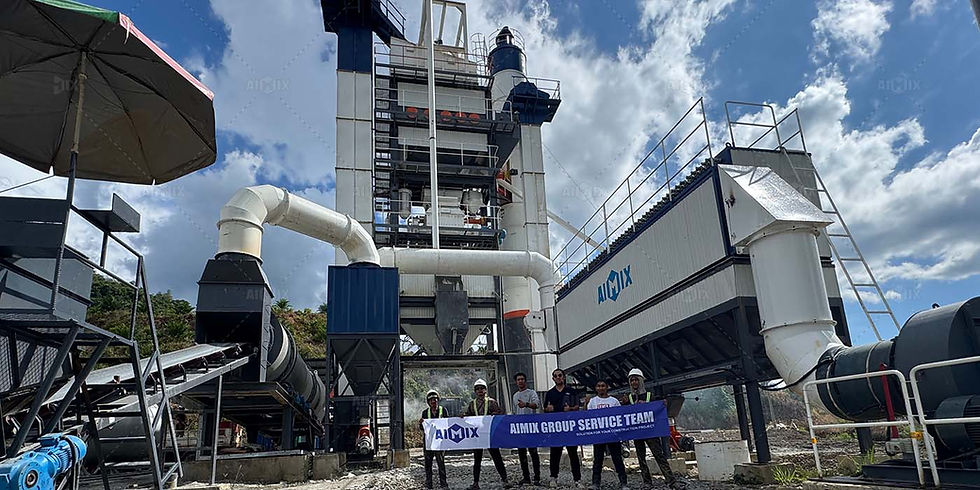
Even the best asphalt plant requires maintenance and technical support. For this reason, after-sales service becomes a hidden but powerful decision factor.
Contractors prefer suppliers who can provide fast spare parts delivery, remote technical guidance, and on-site support when needed. Because any delay in support directly affects project progress.
As a result, strong service capability increases buyer confidence and reduces long-term operational risk.
How All Factors Combine Into The Final Decision
At the final stage of selection, buyers do not focus on one single factor. Instead, they evaluate a combination of reliability, cost efficiency, adaptability, and service support.
However, among all these factors, operational reliability under real working conditions remains the core deciding point. Once reliability is confirmed, other factors serve as confirmation rather than elimination criteria.
This is why experienced contractors often say: “We do not buy the cheapest or the biggest plant. We buy the one that will not stop our project.”
Conclusion: The Real Decision Is About Project Security
In conclusion, the final decision factor when selecting an asphalt plant is not just capacity, price, or brand. It is the ability of the plant to guarantee stable production, reduce operational risk, and support continuous project delivery under real construction conditions.
For contractors and project owners, the goal is simple: complete the project on time, within budget, and without unexpected interruptions. Therefore, the best asphalt plant is the one that ensures production stability and long-term operational confidence.
If you are planning your next road construction project, focus not only on specifications, but on real-world performance, lifecycle cost, and service reliability. Because in the end, the right decision is the one that protects your project schedule and profit.
If you want to explore a more suitable asphalt plant solution based on your project capacity and local conditions, feel free to contact us for a tailored recommendation. Get to know the asphalt mixing plant price at right!


Comments