


Which Asphalt Plant Type Is More Efficient for Continuous Road Construction in Nigeria?
Nigeria’s road construction market is growing fast. Highway expansion, urban road upgrades, and intercity connectivity projects are increasing every year. However, many contractors still face one key challenge: choosing the right asphalt plant type for continuous and long-distance road construction.
The wrong choice can slow down production, increase fuel consumption, and create logistics bottlenecks. On the other hand, the right tarmac asphalt plant improves output stability, reduces downtime, and increases project profit. So, efficiency is not just about capacity. It is about how well the plant supports continuous operation under real field conditions in Nigeria.
In this article, we will compare the main asphalt plant types and explain which one performs better for continuous road construction projects in Nigeria. We will also analyze real construction needs and help you make a practical decision based on cost, mobility, and production stability.

Road Construction Demand And Working Conditions In Nigeria
Nigeria’s road projects often cover long distances. Many highways stretch across multiple states. This creates a need for stable and continuous asphalt supply over long periods.
In addition, construction sites often face unstable logistics. Fuel supply, aggregate transportation, and weather conditions can all affect production efficiency. Therefore, contractors must select equipment that can maintain steady output even under challenging environments.
Furthermore, many projects operate in remote or semi-urban areas. As a result, plant mobility and installation speed become important factors. This leads us to the core question: which asphalt plant type delivers the best continuous performance in these conditions?
To answer this, we need to first understand the main asphalt plant types used in modern road construction.
Main Types Of Asphalt Plants Used In Road Projects
There are three major asphalt plant categories used in Nigeria and similar developing markets. Each type has different strengths depending on project scale and construction style.
Batch Mix Asphalt Plant
A batch mix asphalt plant produces asphalt in separate batches. It measures, dries, and mixes materials in cycles. This allows precise control over mix quality.
This type is widely used for high-standard highway projects and urban road construction where mix flexibility matters.
Drum Mix Continuous Asphalt Plant
A drum mix plant produces asphalt continuously without interruption. Aggregates and bitumen enter the drum system constantly, and finished asphalt comes out continuously.
This structure makes it suitable for long-distance road construction projects that require stable and large-volume output.
Mobile Asphalt Plant
A mobile asphalt mix plant combines production flexibility with fast relocation. It can move between multiple construction sites, which reduces transportation cost and setup time.
This type is often used for projects spread across multiple locations or for contractors handling regional road networks.
Now that we understand the basic types, we can compare their performance in continuous road construction scenarios in Nigeria.

Batch Asphalt Plants: Precision But Limited Continuity
Batch plants offer excellent control over asphalt quality. Contractors can adjust mix design frequently, which is useful for urban roads or mixed project requirements.
However, when we focus on continuous road construction, batch plants show some limitations. Because production happens in cycles, output is not fully continuous. Small pauses occur between batches.
These pauses may not matter in short urban projects. But in long highway construction, even small interruptions can reduce paving efficiency. Asphalt trucks may wait, and paving machines may slow down.
In addition, batch plants require more operator attention and coordination. If logistics are not well managed, efficiency can drop further.
Therefore, while batch plants are highly accurate, they are not always the best choice for continuous large-scale road construction in Nigeria.
To better understand efficiency, we now move to the drum mix continuous system, which is designed specifically for long and uninterrupted production.
Drum Mix Continuous Plants: Strong Performance For Long Road Projects
Drum mix asphalt plants are designed for continuous production. This makes them highly suitable for long highway projects and intercity road construction in Nigeria.
Unlike batch systems, drum plants do not stop between cycles. Materials enter and exit the system continuously. This ensures steady asphalt supply to the paving site.
As a result, contractors can achieve higher paving efficiency. Trucks load faster, and paver machines operate without interruption. This improves overall project speed and reduces idle time.
In addition, drum mix plants usually consume less fuel per ton of output. Because the heating and mixing process is continuous, energy use becomes more stable and efficient.
However, drum plants have one limitation. They offer less flexibility in mix adjustment compared to batch systems. Therefore, they are best suited for projects with consistent asphalt requirements.
Despite this limitation, for continuous road construction in Nigeria, drum mix plants often deliver better operational efficiency.
Next, we will look at mobile asphalt plants and their role in flexible road construction environments.
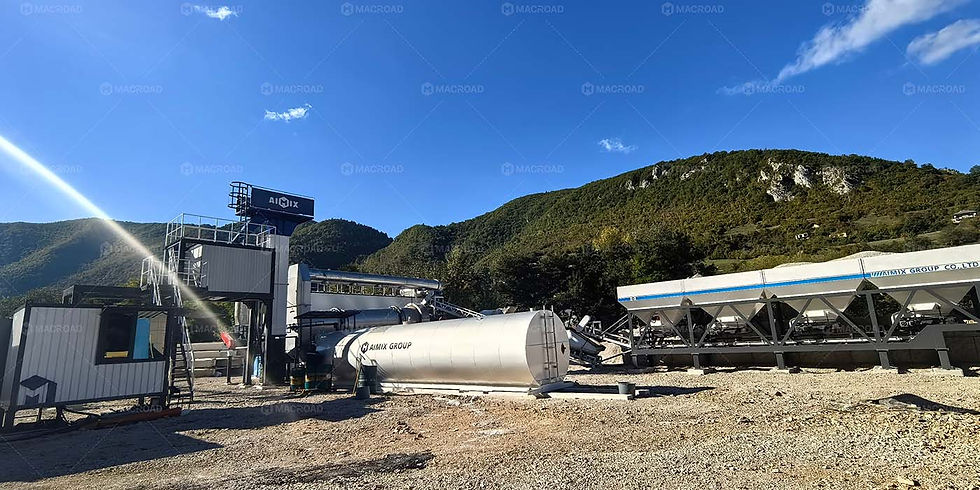
Mobile Asphalt Plants: Flexibility Across Multiple Project Sites
Mobile asphalt plants are increasingly popular in Africa, especially in countries like Nigeria where road projects are spread across large geographical areas.
These plants can be relocated quickly. This reduces transportation costs and eliminates the need for long-distance asphalt hauling.
For contractors working on multiple road sections, this flexibility provides a major advantage. Instead of building one large stationary plant, they can move the plant closer to each project area.
However, mobile plants are not always the best option for extremely high-volume continuous highways. While they are efficient in logistics, their production capacity is often slightly lower than large stationary drum or batch systems.
Therefore, mobile plants are best used in medium-scale continuous projects or multi-site road construction programs.
Now that we understand all three types, we can directly compare which one is most efficient for continuous road construction in Nigeria.
Which Asphalt Plant Is Most Efficient For Continuous Road Construction?
The answer depends on project scale, logistics, and output stability requirements. However, when we focus strictly on continuous road construction, drum mix asphalt plants generally offer the highest efficiency.
They provide uninterrupted production, stable output flow, and lower operational delays. These factors directly support long highway construction projects, which are common in Nigeria’s infrastructure development plans.
Batch plants still play an important role when mix accuracy and flexibility are priorities. But for pure continuous efficiency, they fall behind drum systems.
Mobile plants, on the other hand, offer excellent flexibility. Yet their main advantage lies in relocation rather than maximum continuous output.
Therefore, we can summarize it clearly:
For continuous highway construction → Drum mix asphalt plant is most efficient
For high-precision urban roads → Batch asphalt plant is more suitable
For multi-location projects → Mobile asphalt plant offers best flexibility
This comparison helps contractors avoid over-investment and choose equipment based on real project needs rather than theoretical capacity.

Key Factors That Affect Asphalt Plant Efficiency In Nigeria
Even the best asphalt plant Nigeria will not perform well without proper planning. In Nigeria, several external factors influence efficiency.
1. Fuel Supply Stability
Unstable fuel supply can reduce plant output. Therefore, plants with lower fuel consumption per ton are more cost-effective in the long term.
2. Aggregate Transportation Distance
Long transport distances increase cost and delay production. Mobile or strategically located plants help reduce this problem.
3. Climate Conditions
High temperatures and humidity can affect material drying efficiency. A well-designed drying system improves stability.
4. Operator Skill Level
Efficient plant operation depends on trained operators. Poor operation can reduce output even in advanced systems.
When these factors are properly managed, asphalt plant performance improves significantly in real construction environments.
Practical Recommendation For Nigerian Road Contractors
If your project involves long highway construction or continuous paving work, a drum mix asphalt plant is usually the most cost-effective choice.
If your projects require frequent mix changes or urban road upgrades, a batch plant may be more suitable.
If your company handles multiple small-to-medium projects across different regions, a mobile asphalt plant can significantly reduce logistics cost and increase flexibility.
In many real-world cases, large contractors in Nigeria use a combination of plant types. This strategy balances flexibility, quality, and continuous output efficiency.
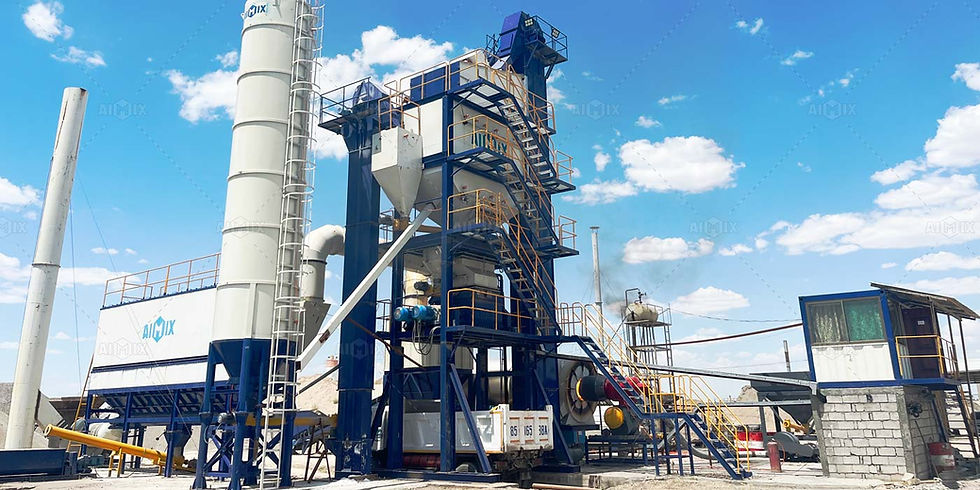
Conclusion And Call To Action
Choosing the right asphalt plant type is not just a technical decision. It directly affects project speed, cost control, and long-term profitability.
For continuous road construction in Nigeria, drum mix asphalt plants generally provide the highest operational efficiency. However, the final decision should always match your project scale, location, and production requirements.
If you are planning a new highway project or upgrading your construction capacity, selecting the right equipment early can save significant time and cost later.
Need a customized asphalt plant solution for your Nigeria project? Our team can help you evaluate capacity, site conditions, and budget to recommend the most efficient configuration for your needs.
Contact us today to get a professional consultation and a tailored quotation. Build faster roads with the right asphalt plant solution from the start.


Comments