


90 m³/h Concrete Batching Plant Cost: What Determines the Investment Budget?
A 90 m³/h concrete batching plant cost depends on multiple factors, including equipment configuration, automation level, installation requirements, and project conditions. For contractors and investors planning to build a commercial concrete production business, understanding these cost factors is essential before purchasing a plant. Whether you are searching for a concrete batching plant for sale Australia or exploring how to start a concrete plant, evaluating the total investment rather than only the equipment price can help you choose a more profitable solution.
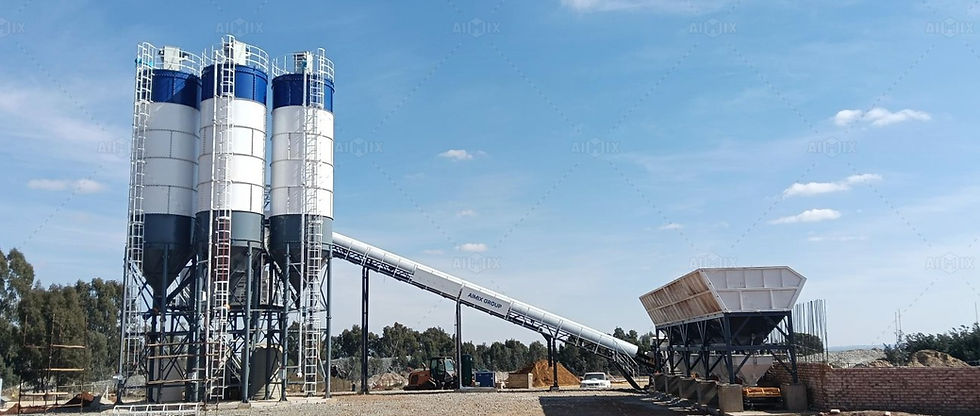
Basic Equipment Configuration Affects 90 m³/h Concrete Batching Plant Cost
The main factor influencing the cost of a 90 m³/h concrete batching plant is the equipment configuration. A standard plant usually includes a concrete mixer, aggregate batching system, cement weighing system, water and additive weighing system, control system, and cement silos. Different component brands, specifications, and production standards can significantly affect the final investment budget.
For a 90 m³/h concrete batching plant, buyers can choose different mixer types, such as JS twin-shaft mixers or planetary mixers, depending on concrete quality requirements. A high-performance mixer can improve mixing efficiency and ensure consistent concrete quality, but it may also increase the initial investment. Similarly, larger cement storage capacity and additional aggregate bins will increase the overall cost while providing better production flexibility.
The level of customization also plays an important role. Projects requiring special concrete types, higher production accuracy, or integration with automated management systems may need additional equipment, resulting in a higher concrete batching plant cost.
Stationary or Mobile Design Changes the Investment Budget
The plant structure is another important factor determining the total cost. A stationary concrete batching plant and a mobile concrete batching plant have different investment characteristics.
A stationary 90 m³/h concrete batching plant is designed for long-term production at a fixed location, such as a ready-mix concrete factory or large construction material supply center. Although it usually requires foundation construction and more installation work, it provides stable operation, higher durability, and better production efficiency for continuous projects.
A mobile concrete batching plant may have a different cost structure because it focuses on flexibility and easier relocation. For contractors working on multiple construction sites, infrastructure projects, or remote areas, a mobile solution can reduce future relocation expenses and improve equipment utilization. When comparing a concrete batching plant for sale Australia, many buyers consider mobile models because of the country’s large project distances and changing construction locations.
Installation and Site Preparation Costs Should Be Considered
Many investors only focus on the equipment purchase price when calculating a 90 m³/h concrete batching plant cost, but installation expenses can also represent a significant part of the total investment.
Site preparation includes foundation construction, electrical installation, transportation, crane service, and commissioning. The actual cost depends on the local labor market, site conditions, and distance from the supplier. For example, projects located in remote areas may require additional transportation and installation arrangements.
For companies researching how to start a concrete plant, creating a complete budget plan is essential. The investment should include not only the batching plant itself but also land preparation, raw material storage, loading equipment, laboratory facilities, and environmental protection systems. A complete cost evaluation helps avoid unexpected expenses during project development.
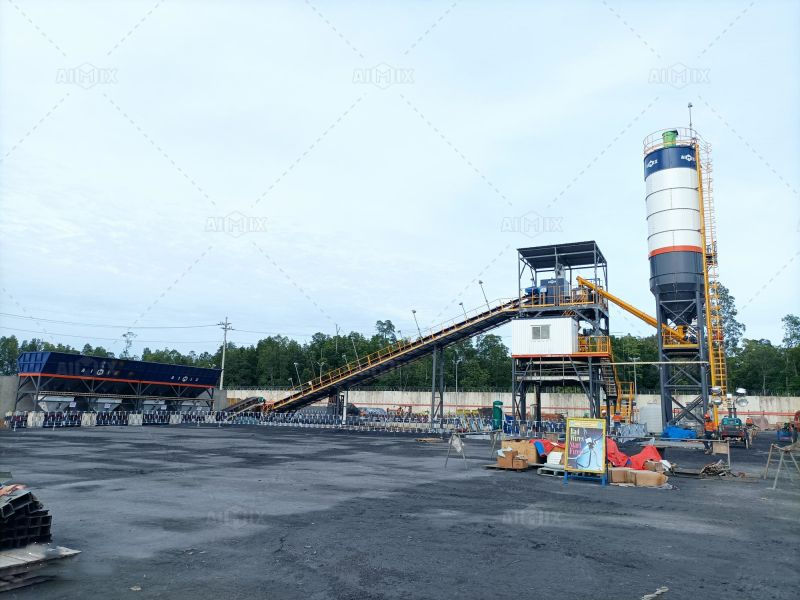
Automation Level Influences Long-Term Value
The control system is another key factor affecting the cost of a 90 m³/h concrete batching plant. Modern batching plants can be equipped with fully automatic PLC control systems, production monitoring software, and data management functions.
A higher automation level usually increases the initial investment, but it can reduce labor requirements, improve weighing accuracy, and minimize material waste. For commercial concrete suppliers, these benefits can create better long-term returns.
When selecting a plant, buyers should balance initial cost and operating efficiency. A lower-cost configuration may be suitable for small projects, while a more advanced system can provide greater advantages for companies planning continuous concrete production.
Capacity and Business Goals Determine the Right Investment
A 90 m³/h concrete batching plant is generally suitable for medium to large construction projects, including residential developments, highways, bridges, and commercial concrete supply businesses. However, whether this capacity is the right choice depends on production demand and future business plans.
For investors learning how to start a concrete plant, the first step is analyzing local concrete demand, expected output, and customer requirements. Purchasing a plant with insufficient capacity may limit business growth, while choosing an oversized plant can increase unnecessary investment costs.
In markets such as Australia, where infrastructure development and large-scale construction projects create continuous demand, selecting the right batching plant capacity can help companies achieve better production efficiency and faster return on investment.
How to Optimize Your 90 m³/h Concrete Batching Plant Investment
Reducing unnecessary expenses while maintaining production performance is an important consideration for every buyer. Choosing a reliable manufacturer, selecting suitable configurations, and planning the project requirements in advance can help control the total investment.
Instead of focusing only on the lowest purchase price, buyers should evaluate equipment quality, after-sales support, spare parts availability, and energy efficiency. A reliable concrete batching plant for sale Australia should provide stable performance and long-term value rather than only a competitive initial price.
For businesses entering the concrete production industry, a detailed investment analysis is the foundation for success. Understanding equipment costs, operating expenses, and market demand will help investors make better decisions when building their concrete production capacity.

Conclusion
The 90 m³/h concrete batching plant cost is determined by many factors, including equipment configuration, plant type, installation requirements, automation level, and business objectives. For contractors and investors considering how to start a concrete plant, a comprehensive cost assessment is more important than simply comparing equipment prices. By choosing the right configuration and planning for long-term operation, a 90 m³/h concrete batching plant can become a valuable investment for supplying high-quality concrete and expanding business opportunities.

Comments