


Can Asphalt Plant Ownership Increase Profit Margins By 20–35% Compared To Outsourcing? A Real Industry Profit Analysis
In road construction, profit margins are not only determined by project size. They are strongly shaped by how materials are produced and supplied. Many contractors still rely on outsourcing asphalt from third-party suppliers. However, a growing number of companies are shifting toward owning their own asphalt plant model to control cost, improve scheduling, and increase long-term profitability.
This raises a critical question: can asphalt plant ownership really increase profit margins by 20–35% compared to outsourcing? From real project experience and industry economics, the answer is often yes—but only when the plant is properly utilized and managed. Let’s break this down in a practical and contractor-focused way.
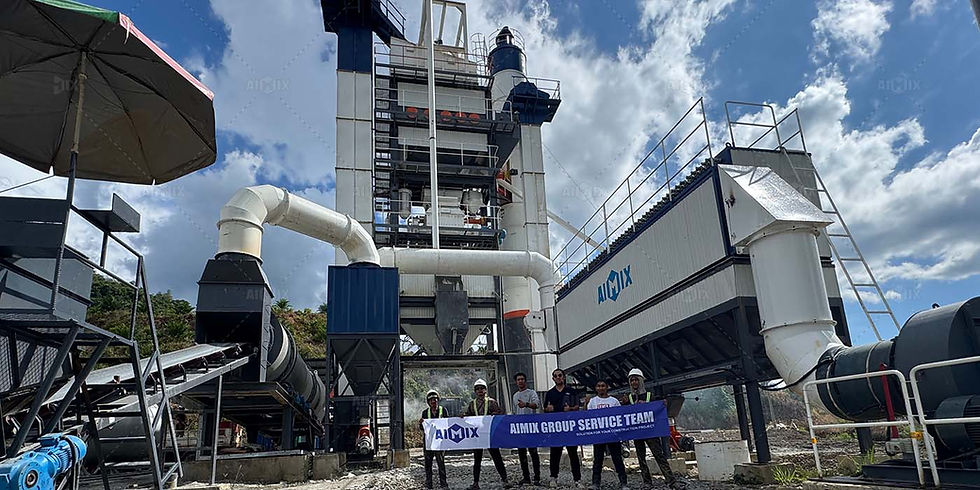
Understanding The Real Cost Structure Of Asphalt Production
To understand profit improvement, we must first look at where money is lost when outsourcing asphalt. Many contractors focus only on the purchase price per ton. However, the real cost structure is much deeper and often hidden in delays, transport, and dependency issues.
When outsourcing, contractors usually face three major cost layers:
1. Base Asphalt Purchase Price
This is the most visible cost. Suppliers include raw material cost, production margin, and overhead. Contractors have little control over price fluctuations, especially during peak construction seasons.
2. Logistics And Transport Costs
Asphalt is time-sensitive. Long transport distances increase fuel consumption and risk temperature loss. As a result, contractors often pay extra for reheating or material waste.
3. Time And Project Delay Costs
Delays in delivery can stop paving operations completely. Even a few hours of downtime can reduce daily output significantly. This indirect cost is often ignored but highly impactful on overall profit.
Once these three layers are combined, outsourcing becomes significantly more expensive than it appears on paper. This naturally leads us to the alternative—ownership of an asphalt plant.
How Asphalt Plant Ownership Changes The Profit Equation
When a contractor owns a central hot mix plant, the cost structure shifts from external dependency to internal control. This transition is the key reason why profit margins can increase significantly over time.
However, this improvement does not happen instantly. It grows as production stability and utilization rates increase. Let’s examine how ownership creates financial advantages step by step.
1. Direct Control Over Production Cost
Ownership allows contractors to control raw material sourcing, energy consumption, and production scheduling. Instead of paying supplier margins, the contractor captures that value internally.
2. Elimination Of Supplier Markups
In outsourcing models, suppliers typically include 10–25% profit margins. By producing asphalt internally, this margin becomes part of the contractor’s own profit pool.
3. Improved Project Scheduling Efficiency
When asphalt is produced on-site or nearby, construction teams no longer wait for delivery windows. This reduces idle time and increases daily paving output.
As these factors combine, the financial advantage becomes clearer. But the real question is how this translates into the often-mentioned 20–35% profit increase.

Where The 20–35% Profit Increase Actually Comes From
The 20–35% margin improvement is not a fixed guarantee. Instead, it is a realistic outcome under well-managed conditions. The increase comes from multiple cumulative savings and efficiency gains.
Reduced Material Cost Leakage
Internal production eliminates supplier margins and reduces waste from transport delays. Even a 10–15% reduction in material cost significantly improves project-level profitability.
Higher Equipment Utilization Rates
When asphalt production is controlled internally, both paving and mixing schedules can be synchronized. This leads to fewer idle machines and higher return on equipment investment.
Lower Project Delays And Penalties
Many road contracts include penalties for delays. With an owned plant, contractors reduce the risk of supply interruption and avoid costly penalty deductions.
When these improvements are combined, total project profitability can realistically increase within the 20–35% range, especially for companies handling multiple or long-term infrastructure projects.
Now that we understand the profit sources, it is important to see when ownership makes the most financial sense.
When Asphalt Plant Ownership Becomes More Profitable Than Outsourcing
Not every contractor should immediately invest in an asphalt plant. The profitability depends on project scale, frequency, and operational strategy. However, in many real-world scenarios, ownership becomes the stronger financial option.
High Annual Production Volume Projects
If a contractor produces asphalt consistently throughout the year, fixed investment costs spread across higher output, reducing cost per ton significantly.
Government And Infrastructure Contracts
Long-term road projects require stable supply and strict deadlines. Ownership provides independence from external supplier limitations.
Remote Or Developing Regions
In areas with limited asphalt suppliers, transport costs and delays are high. On-site production becomes not just cost-efficient but also operationally necessary.
As project scale increases, the return on ownership becomes more visible and predictable.

Cost Comparison: Outsourcing Vs Ownership In Real Operations
To better understand the difference, let’s compare the two models from a contractor’s operational point of view.
Outsourcing Model Reality
Contractors pay per ton, but also absorb hidden costs such as transport delays, scheduling conflicts, and supplier dependency. Profit margins remain limited because cost control is external.
Ownership Model Reality
Contractors control production timing, material sourcing, and delivery flow. Although initial investment is higher, long-term cost per ton decreases significantly as utilization increases.
The key difference is control. In construction, control directly influences profitability.
This is why many growing contractors gradually transition from outsourcing to hybrid models and eventually full ownership.
Operational Efficiency: The Hidden Profit Driver
Beyond cost savings, operational efficiency plays a major role in margin expansion. Many contractors underestimate this factor, yet it often determines real profitability outcomes.
Better Coordination Between Teams
When asphalt production is internal, site managers can align paving schedules more accurately. This reduces downtime and improves daily output consistency.
Reduced Dependence On Market Fluctuations
Bitumen and asphalt prices often change with oil market trends. Ownership allows contractors to plan procurement more strategically instead of reacting to market changes.
Improved Project Delivery Speed
Faster delivery means faster payment cycles. This improves cash flow, which indirectly increases overall business profitability.
These operational improvements often account for a large portion of the 20–35% margin growth observed in practice.

Investment Considerations And Risk Management
While asphalt plant ownership offers strong financial advantages, it also requires proper planning. Contractors must evaluate investment risks carefully to maximize returns.
Initial Capital Investment
Purchasing and installing an asphalt plant requires upfront capital. However, this asphalt plant cost is gradually recovered through long-term production savings.
Utilization Rate Is Critical
A plant that operates below capacity will reduce ROI. Therefore, contractors must ensure consistent project flow or consider shared production models.
Maintenance And Technical Management
Proper maintenance ensures stable production and prevents downtime. Technical training and support are essential for long-term efficiency.
When these factors are managed properly, ownership becomes a strong profit-building strategy rather than a financial burden.
Conclusion: Is The 20–35% Profit Increase Realistic?
Based on industry practice and project-level economics, the 20–35% profit margin increase is realistic under the right conditions. It is not automatic, but it is achievable when asphalt plant ownership is combined with strong utilization, efficient project planning, and disciplined cost control.
For contractors focused on long-term growth, infrastructure expansion, and operational independence, ownership is not just a cost decision. It is a strategic business move that directly impacts competitiveness in the road construction industry.

Take Action: Build Your Own Asphalt Production Advantage
If your projects are growing and outsourcing is limiting your control over cost and schedule, it may be time to consider asphalt plant ownership. The shift from dependency to production control can significantly improve your long-term profitability and project stability.
Modern asphalt plants are designed for efficiency, flexibility, and scalable production. With the right configuration and support, contractors can move closer to consistent high-margin operations.
Contact us today to explore asphalt plant solutions tailored to your project scale and business goals. A smarter production strategy today can define your profit performance for the next decade.


Comments