


Cost of Concrete Batching Plant in Different Countries: What Buyers Should Expect
The cost of concrete batching plant is one of the most important considerations for contractors, ready-mix suppliers, and construction companies planning to invest in their own concrete production facilities. However, the price of a batching plant is not the same in every country. Factors such as local labor costs, transportation expenses, import duties, installation requirements, project conditions, and market demand can significantly influence the final investment.
For businesses planning to build a concrete production operation, understanding regional cost differences is essential. A proper cost analysis not only helps buyers select suitable equipment but also provides a clearer understanding of profitability, especially when considering how to start a concrete plant and develop a long-term business plan.
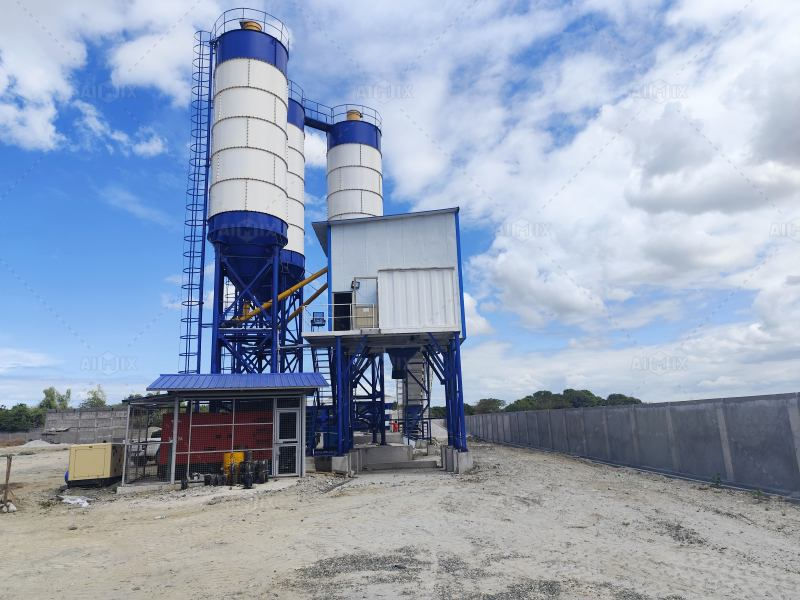
Factors That Influence Concrete Batching Plant Cost Worldwide
The basic equipment configuration is the primary factor affecting the cost of a concrete batching plant. Different production capacities, automation levels, mixer types, and storage systems will lead to different investment requirements.
For example, a small batching plant designed for local construction projects requires less investment compared with a large-scale stationary plant used for highways, bridges, or commercial concrete production. Plants equipped with advanced PLC control systems, multiple aggregate bins, larger cement storage capacity, and automatic monitoring features generally have higher initial costs but can provide better productivity and lower operating expenses over time.
Other factors, including shipping distance, local installation services, foundation requirements, and spare parts availability, also influence the final cost after delivery.
Concrete Batching Plant Cost in Southeast Asia
Southeast Asia has experienced strong demand for concrete production equipment due to rapid urban development, infrastructure projects, and residential construction. Countries such as the Philippines, Indonesia, Malaysia, and Thailand have become important markets for batching plants.
In these regions, buyers often consider both initial equipment investment and long-term operating efficiency. For example, businesses looking for a concrete batching plant Philippines solution may need to consider island transportation conditions, local construction requirements, and available installation support.
Because many construction projects in the Philippines are distributed across different islands and regions, mobile and compact batching plants are often attractive options. They provide flexibility for contractors who need to move equipment between projects while reducing transportation costs for ready-mix concrete delivery.
Concrete Batching Plant Cost in Developing Markets
In developing construction markets, the cost of a batching plant is often influenced by import policies, infrastructure conditions, and local technical support availability. Buyers may focus heavily on initial purchase price, but selecting equipment only based on the lowest quotation can create higher expenses later.
A lower-cost plant may require more frequent maintenance, consume more energy, or have limited spare parts support. For businesses planning long-term operation, it is important to consider total ownership costs, including maintenance, production efficiency, labor requirements, and equipment lifespan.
When evaluating how to start a concrete plant, investors should analyze not only the equipment cost but also site preparation, raw material supply, transportation, permits, and customer demand in the target market.

Cost Differences Between Developed and Emerging Markets
In developed markets, labor and installation expenses often represent a larger portion of the total investment. Buyers may prefer highly automated batching plants because reducing labor requirements can significantly improve long-term profitability.
In emerging markets, equipment price and flexibility are often key concerns. Many contractors choose reliable plants with practical configurations that balance investment cost and production capacity.
Regardless of location, the most suitable batching plant is not always the cheapest option. The right choice depends on project size, expected production volume, available budget, and future business growth plans.
How to Reduce the Overall Investment Cost
Although the initial cost of concrete batching plant can be significant, buyers can reduce unnecessary expenses through proper planning. The first step is selecting the correct plant capacity. Purchasing equipment that is much larger than actual demand increases investment costs and may reduce return on investment.
Choosing a manufacturer with complete production capabilities can also help reduce costs. Factory-direct purchasing often provides better pricing transparency, customized solutions, and direct technical support compared with purchasing through multiple intermediaries.
Additionally, selecting a plant with efficient energy consumption, reliable components, and easy maintenance access can reduce operating costs throughout the equipment's service life.
Planning Before Starting a Concrete Plant Business
For entrepreneurs researching how to start a concrete plant, purchasing equipment is only one part of the process. A successful concrete business requires careful planning, including market research, location selection, raw material supply, transportation arrangements, and customer development.
The equipment selection should match the business model. A commercial ready-mix supplier serving urban construction projects may require a stationary batching plant with higher output capacity, while contractors working on multiple temporary projects may benefit from a mobile solution.
Investors should also consider future expansion. Choosing a scalable batching plant allows businesses to increase production capacity as demand grows without completely replacing the original equipment.

Conclusion
The cost of concrete batching plant varies significantly between countries due to differences in transportation, labor, installation requirements, market conditions, and equipment configurations. Buyers should avoid focusing only on the initial purchase price and instead evaluate the complete investment, including operating costs, maintenance, productivity, and long-term business potential.
Whether investing in a concrete batching plant Philippines market or exploring how to start a concrete plant in another country, careful planning and choosing the right equipment configuration are essential. A properly selected batching plant can help businesses improve production efficiency, reduce costs, and create sustainable growth opportunities in the competitive construction industry.

Comments