


Grinding Mill Equipment for Continuous Production: How to Maintain Stable Output Over Long Operating Hours
Grinding mill equipment used for continuous production must maintain a relatively stable feed rate, grinding efficiency, product fineness, and operating condition over long working hours. A mill may reach its rated capacity for a short period, but maintaining that output throughout an entire shift requires more than sufficient motor power. Feed preparation, material properties, grinding settings, classification, cooling, wear condition, and maintenance all influence whether production remains stable.

Start with a Consistent Feed Rate
Stable feeding is one of the most important requirements for continuous grinding. If too much material enters the mill at once, the grinding chamber can become overloaded, reducing grinding efficiency and increasing power demand. If the feed rate drops sharply, part of the available grinding capacity remains unused.
A controlled feeding system helps maintain a relatively uniform material flow. Feed size should also be kept within the equipment's design range. Large variations in feed particle size can change grinding resistance and residence time, making it difficult to maintain consistent output and fineness.
For a complete grinding line, the crusher and feeder should therefore be treated as part of the same production system. The objective is not simply to feed the maximum possible amount, but to provide the mill with a steady and manageable material flow.
Control Raw Material Characteristics
Raw material properties can change during continuous operation, especially when material comes from different quarry zones or stockpiles. Hardness, moisture, abrasiveness, and initial particle size can all affect grinding performance.
Harder materials generally require more grinding energy, while excessive moisture may reduce flowability and cause material to stick to internal surfaces or interfere with classification. Abrasive materials can also accelerate wear on grinding components, gradually changing the grinding conditions during a long production run.
Before production begins, operators should understand the expected range of material properties rather than designing the process around a single ideal feed condition. If raw material changes significantly, feed rate or operating parameters may need to be adjusted to prevent a sudden decline in output.
Match Grinding Equipment to the Required Fineness
Continuous production becomes more difficult when extremely fine powder is required. Producing finer particles generally requires greater grinding work and more effective classification. If the mill is continuously pushed beyond the conditions for which it was designed, production stability can suffer.
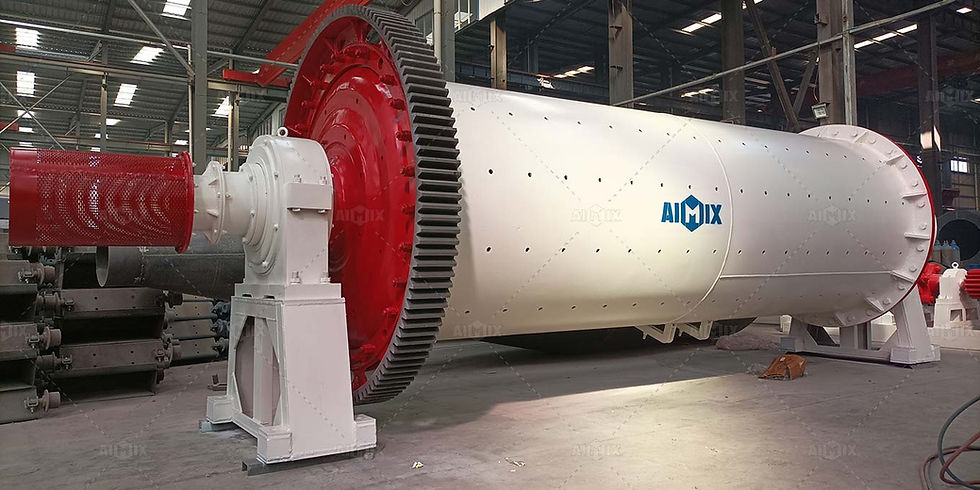
Different grinding technologies are suitable for different applications. A ball mill machine, for example, uses rotating grinding media to reduce material size and can be applied to various mineral and industrial grinding processes. Other grinding mill equipment may use rollers, grinding rings, or other mechanisms and may be better suited to particular fineness ranges and production requirements.
The equipment should therefore be selected according to both required capacity and final particle size. A system designed only around hourly tonnage may struggle to maintain that output when the required powder becomes significantly finer.

Keep Classification Stable
In many powder production systems, grinding and classification work together. The classifier separates particles according to size, allowing sufficiently fine material to leave the system while coarser particles return for additional grinding.
If classification becomes unstable, the mill may experience excessive recirculating material. This can increase the internal load without necessarily increasing saleable production. A high circulation rate may also increase energy consumption and reduce effective capacity.
For this reason, operators should monitor final powder fineness together with actual production. If product becomes too coarse, simply increasing feed may make the problem worse. Adjusting classification conditions and checking the grinding system may provide a more effective solution.
Monitor Wear During Long Operating Hours
Grinding components gradually wear during continuous production. Grinding rollers, rings, liners, grinding media, or other internal components can change shape and operating characteristics as they are used.
At the beginning of a production cycle, equipment may perform close to its expected operating condition. After extended use, however, wear can reduce grinding efficiency and change the relationship between feed rate, power consumption, and final fineness.
Regular inspection allows operators to identify performance changes before they become major production problems. Instead of waiting for a component to fail, maintenance teams can monitor wear trends and schedule replacement during planned downtime.
Control Temperature and Airflow
Heat management is another factor in long-duration grinding. Mechanical grinding generates heat, while airflow may also influence material transport and classification. Excessive temperature can affect equipment components and, depending on the material, may also influence powder quality.
A properly controlled airflow system helps transport fine particles through the grinding circuit while supporting classification and dust collection. Dust collectors, fans, ducts, and other auxiliary components therefore contribute to overall grinding stability.
Operators should not focus exclusively on the main mill. A restriction in the airflow system or an inefficient dust collection arrangement can eventually affect the performance of the entire production line.
Use Preventive Maintenance Instead of Emergency Repairs
Continuous production requires maintenance planning that fits the production schedule. Daily inspections can focus on lubrication, abnormal vibration, temperature, noise, material flow, and other operating indicators. More detailed inspections can then be scheduled during planned shutdowns.
Lubrication is particularly important because many grinding systems operate under high loads for extended periods. Insufficient or contaminated lubricant can increase friction and accelerate component wear. Bearings, drives, transmission components, and other moving parts should be maintained according to the equipment manufacturer's requirements.
Preventive maintenance reduces the chance that a minor issue will develop into an unexpected shutdown. For high-volume powder plants, avoiding several hours of unplanned downtime can have a direct impact on production economics.
Measure Stable Output, Not Peak Output
A practical way to evaluate continuous grinding performance is to compare average production over an entire operating period rather than focusing on the highest short-term output. For example, a mill that briefly reaches a high hourly rate but frequently stops for adjustment may produce less powder per shift than a system operating at a slightly lower but stable rate.
Useful indicators include hourly feed rate, finished powder output, product fineness, energy consumption, operating hours, downtime, and recirculating load. Tracking these values over several shifts helps operators identify whether performance is genuinely stable.
The goal of grinding mill equipment for continuous production is therefore not maximum output at any single moment. It is consistent production of the required powder quality with controlled energy use, manageable wear, and minimal unexpected downtime.
Conclusion
Stable long-term grinding depends on the complete production system rather than the mill alone. Consistent feeding, controlled raw material properties, suitable grinding technology, stable classification, wear monitoring, temperature and airflow control, and preventive maintenance all contribute to reliable continuous operation. By monitoring these factors together and measuring average saleable output rather than short-term peak capacity, operators can keep grinding mill equipment productive throughout extended operating periods.
Comments