


How Can Contractors Reduce Fuel Consumption By 20% With An Energy-Efficient Asphalt Plant?
Fuel cost has become one of the biggest challenges for asphalt contractors worldwide. When diesel prices increase, every ton of asphalt mixture becomes more expensive to produce. For companies operating large road construction projects, even a small improvement in fuel efficiency can create significant savings over the entire project period.
An energy-efficient asphalt plant helps contractors reduce fuel consumption by improving heating efficiency, optimizing combustion, reducing material waste, and using smarter control systems. In many real construction conditions, a well-configured asphalt mixing plant can help reduce fuel usage by around 20% compared with older or poorly optimized equipment.
However, reducing fuel consumption does not simply mean choosing a smaller burner or lowering production speed. Contractors need a complete solution that matches their project requirements, local fuel conditions, aggregate characteristics, and production targets.
This article explains how modern tarmac asphalt plants achieve better energy performance and how contractors can select the right technologies to lower operating costs while maintaining stable asphalt quality.

Why Fuel Consumption Matters For Asphalt Contractors
Before choosing an energy-efficient asphalt plant, contractors need to understand where fuel costs come from. In asphalt production, the drying and heating process consumes the largest amount of energy because cold and wet aggregates require high temperatures before mixing.
Therefore, the efficiency of the drying system directly affects the total fuel cost per ton of asphalt mixture.
For example, a contractor producing 100 tons of asphalt per hour may operate the plant for 8 hours per day. If the plant consumes 7 liters of fuel per ton, the daily fuel consumption can reach thousands of liters. A 20% reduction in fuel usage can create considerable savings over months or years of operation.
Production Capacity | Daily Operation | Potential Fuel Saving With 20% Efficiency Improvement |
80 TPH Asphalt Plant | 8 Hours/Day | About 128 Tons Less Fuel Consumption Equivalent Per Month (Depending On Fuel Type And Conditions) |
120 TPH Asphalt Plant | 8 Hours/Day | Higher Monthly Savings Due To Larger Production Volume |
160 TPH Asphalt Plant | 10 Hours/Day | Significant Long-Term Reduction In Operating Expenses |
Although exact savings depend on aggregate moisture, fuel price, production schedule, and operating methods, improving energy efficiency creates measurable financial benefits.
Moreover, lower fuel consumption also helps contractors reduce carbon emissions. As environmental requirements become stricter in many countries, energy-efficient asphalt production becomes an important advantage when bidding for government and infrastructure projects.
Improve Dryer Efficiency To Reduce Energy Waste
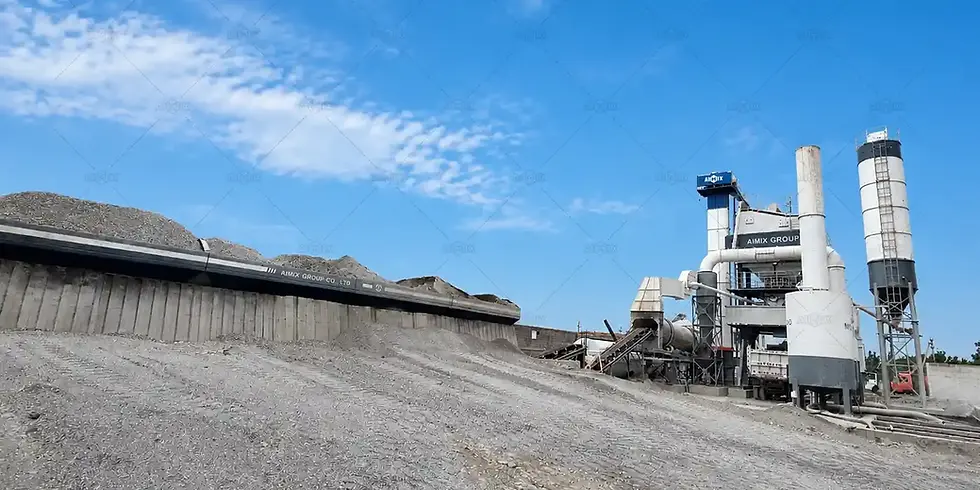
The drying drum is one of the most important components affecting asphalt plant fuel consumption. Because aggregates contain moisture, the burner must provide enough heat to remove water and increase material temperature.
However, inefficient dryers waste energy because heat escapes before it transfers effectively to aggregates.
A modern energy-efficient asphalt plant improves this process through optimized dryer design, better heat exchange performance, and stable material flow.
Optimize Heat Transfer Inside The Drying System
Inside the drying drum, lifting flights continuously move aggregates through the hot air stream. The design and arrangement of these flights influence how quickly materials absorb heat.
When aggregates receive more direct heat exposure, the burner does not need to work excessively. As a result, contractors can achieve the required temperature with less fuel.
For this reason, advanced asphalt plants use optimized drying structures to improve heat utilization rather than simply increasing burner power.
Control Aggregate Moisture Before Production
Aggregate moisture is another major factor affecting fuel consumption.
Wet aggregates require more energy because the burner must first evaporate water before heating the stones.
For example, aggregates with high moisture content can significantly increase fuel usage compared with dry materials. Therefore, contractors should consider proper aggregate storage, drainage systems, and covered stockpiles when planning asphalt production sites.
In rainy regions, especially tropical markets, moisture management becomes even more important. A highly efficient amp hotmix combined with good material management can provide better fuel savings.

Choose A High-Efficiency Burner For Better Fuel Performance
The burner is the energy source of an asphalt plant. Therefore, selecting the right burner directly affects production costs and asphalt quality.
Many contractors focus only on initial equipment prices. However, fuel consumption during years of operation often creates a much larger cost difference than the original investment.
A high-efficiency burner provides stable combustion, better fuel atomization, and more complete energy conversion.
Use The Right Fuel Type For Local Conditions
Different regions have different fuel availability and prices. Some projects use diesel, while others choose heavy oil, natural gas, or alternative fuels.
Therefore, contractors should select a burner system that matches local fuel conditions.
A flexible burner design allows companies to choose economical fuel options while maintaining reliable asphalt production.
Maintain Stable Combustion Efficiency
An inefficient burner may consume more fuel because incomplete combustion creates energy loss.
In contrast, a properly adjusted burner maintains the correct air-fuel ratio. As a result, the plant produces enough heat without unnecessary fuel waste.
Regular inspection of burner nozzles, air supply systems, and combustion parameters also helps maintain long-term energy performance.
Use Intelligent Control Systems To Optimize Asphalt Production
After improving the mechanical components, contractors should also focus on intelligent control technology. A modern control system helps operators monitor production conditions and adjust the asphalt plant performance in real time.
Without accurate monitoring, many plants consume extra fuel because operators cannot identify energy waste quickly. Therefore, digital control has become an important part of energy-efficient asphalt production.
Automatically Adjust Burner Operation
An intelligent asphalt plant control system can adjust burner output according to production demand and material conditions.
For example, when aggregate moisture decreases or production requirements change, the system can reduce unnecessary heating power. As a result, the plant avoids excessive fuel consumption while maintaining stable asphalt temperature.
This approach is more efficient than manual adjustment because operators may not notice small performance changes during continuous production.
Monitor Real-Time Production Data
Energy-efficient asphalt plants provide important operating information, including production capacity, temperature changes, fuel consumption, and equipment status.
With this data, contractors can identify problems earlier and improve daily operation strategies.
For example, if fuel consumption increases unexpectedly, operators can check whether the issue comes from high aggregate moisture, burner adjustment, or maintenance requirements.
Therefore, real-time monitoring helps contractors maintain consistent energy performance throughout the project.

Reduce Heat Loss Through Better Insulation And System Design
Although the burner generates heat, keeping that heat inside the system is equally important. Poor insulation can cause significant energy loss during asphalt production.
Modern energy-efficient asphalt plants use improved insulation materials for drying drums, hot aggregate systems, and other high-temperature components.
As a result, less heat escapes into the surrounding environment, and more energy remains available for asphalt production.
Improve Thermal Efficiency Of Key Components
The dryer, hot bins, bitumen tanks, and pipelines all influence thermal performance.
If these components lose too much heat, the burner must consume additional fuel to maintain the required temperature.
Therefore, contractors should evaluate the complete heating system instead of focusing only on burner capacity.
A well-designed asphalt plant combines efficient heating, effective insulation, and stable material flow to achieve lower fuel consumption.
Consider RAP Recycling And Warm Mix Asphalt Technologies
In addition to improving traditional asphalt production, contractors can reduce energy consumption through advanced asphalt technologies.
Two important solutions include reclaimed asphalt pavement (RAP) recycling and warm mix asphalt (WMA) technology.
These technologies not only reduce fuel consumption but also help contractors control material costs and improve environmental performance.
Reduce Heating Demand With RAP Recycling
RAP recycling allows contractors to reuse existing asphalt materials instead of relying only on new aggregates and bitumen.
Because recycled materials already contain asphalt binder, the production process can reduce the demand for new raw materials.
However, RAP systems require proper heating and mixing control to maintain asphalt quality.
A well-designed asphalt plant can integrate RAP recycling while keeping production stable and energy efficient.
Lower Production Temperature With Warm Mix Asphalt
Warm mix asphalt technology allows contractors to produce asphalt at lower temperatures compared with traditional hot mix asphalt.
Because the required heating temperature decreases, the burner consumes less fuel during production.
In addition, lower temperatures can improve working conditions and reduce emissions around construction sites.
For contractors working on large highway projects or environmentally sensitive areas, warm mix technology provides long-term advantages.

How To Select The Right Energy-Efficient Asphalt Plant For Your Project
Choosing an energy-efficient asphalt plant requires more than comparing production capacity. Contractors need to evaluate the entire project situation before making an investment decision.
The right equipment should match local conditions, production goals, and future business development plans.
1. Match Plant Capacity With Actual Production Requirements
A larger asphalt plant does not always mean better efficiency.
If a contractor chooses a plant with excessive capacity but operates it below the designed production level, energy efficiency may decrease.
Therefore, contractors should select capacity based on daily asphalt demand, project schedule, and future workload.
For example, a medium-sized road contractor may achieve better fuel efficiency with a 100-160 TPH asphalt plant instead of investing in an oversized system.
2. Evaluate Local Climate And Aggregate Conditions
Different construction environments create different energy challenges.
Projects in tropical regions may face high aggregate moisture during rainy seasons. Meanwhile, cold regions may require additional heating energy.
Therefore, contractors should consider local weather, aggregate type, and transportation conditions when selecting equipment.
3. Focus On Lifetime Operating Costs
The purchase price is only one part of asphalt plant investment.
Fuel consumption, maintenance costs, spare parts availability, and production stability directly influence long-term profitability.
A slightly higher initial investment in an energy-efficient asphalt plant can create greater returns through years of lower operating expenses.
Energy Efficiency Creates Long-Term Business Advantages
For asphalt contractors, fuel saving is not only about reducing daily expenses. It also improves competitiveness in a highly competitive construction market.
When contractors lower production costs, they can offer more competitive project quotations while maintaining healthy profit margins.
Furthermore, energy-efficient equipment supports sustainable construction goals. Many governments and project owners now pay more attention to carbon emissions, environmental protection, and resource efficiency.
Therefore, contractors with modern asphalt production technology can build stronger advantages when competing for future infrastructure projects.

Frequently Asked Questions About Energy-Efficient Asphalt Plants
Can An Energy-Efficient Asphalt Plant Really Reduce Fuel Consumption By 20%?
Yes, in suitable operating conditions, an energy-efficient asphalt plant can help reduce fuel consumption by around 20%. The actual result depends on aggregate moisture, fuel type, production management, equipment condition, and operator experience.
Which Asphalt Plant Components Affect Fuel Consumption The Most?
The drying system, burner, insulation structure, and control system have the biggest influence on fuel efficiency. Improving these areas usually creates the greatest energy-saving benefits.
Is An Energy-Efficient Asphalt Plant More Expensive?
Some energy-saving technologies may increase the initial investment. However, lower fuel costs and improved production efficiency can help contractors recover the additional investment over time.
How Can Contractors Calculate Potential Fuel Savings?
Contractors can compare current fuel consumption per ton of asphalt with the expected performance of a new asphalt plant. They should also consider annual production volume, local fuel prices, and operating hours.
Choose An Asphalt Plant Solution That Reduces Costs And Improves Future Growth
Fuel efficiency has become a key factor in modern asphalt production. For contractors, reducing fuel consumption means lower operating costs, stronger project competitiveness, and better long-term profitability.
An energy-efficient asphalt plant achieves this goal through optimized drying systems, advanced burners, intelligent controls, improved insulation, and sustainable technologies.
However, the best solution depends on each contractor’s project requirements, local conditions, and production targets.
If you are planning a new asphalt production project or upgrading your existing equipment, choosing the right energy-efficient asphalt plant can help you achieve reliable production with lower fuel costs.
Contact best asphalt plant manufacturers today to discuss your project requirements and find a customized solution for reducing energy consumption while maintaining high-quality asphalt production.

Comments