


How Concrete Batching Plant Manufacturers Maintain Quality Throughout the Production Process
Choosing reliable concrete batching plant manufacturers is an important decision for contractors and ready mix companies because equipment quality directly affects production efficiency, concrete consistency, and long-term operating costs. Professional manufacturers do not focus only on assembling machines; they establish strict quality control systems throughout the entire production process, from engineering design and material selection to manufacturing, testing, and delivery. For international buyers searching for solutions such as a concrete batching plant for sale in South Africa or concrete batch plants for sale in Australia, understanding how manufacturers maintain quality helps them select equipment that delivers stable performance in different construction environments.
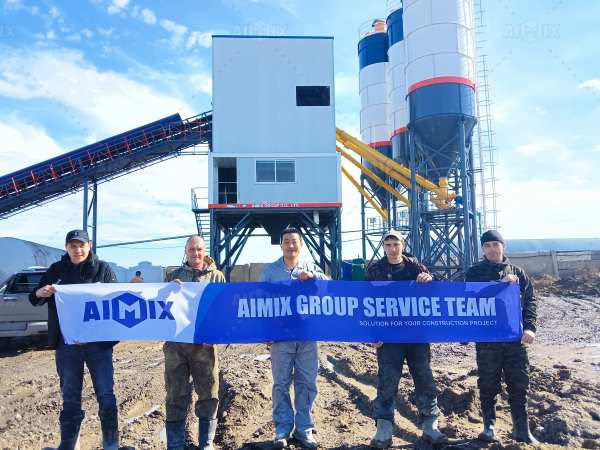
Engineering Design and Production Planning
Quality control begins before manufacturing starts. Professional concrete batching plant manufacturers first analyze customer requirements, including production capacity, project conditions, material characteristics, and local operating environments. Based on these factors, engineers design suitable batching plant configurations instead of providing standard solutions that may not meet actual project needs.
Advanced design software is commonly used to optimize plant structures, component layouts, and material flow systems. Proper engineering helps ensure that aggregates, cement, water, and additives can be accurately measured and efficiently transported during operation.
For international markets, manufacturers also consider regional requirements. For example, equipment designed for Australia may need to handle large-scale infrastructure projects and strict operational standards, while plants supplied for South Africa may require solutions suitable for mining, commercial construction, or remote project locations.
Strict Selection of Raw Materials and Components
The durability of a concrete batching plant depends heavily on the quality of materials used during manufacturing. Reliable manufacturers carefully select steel structures, electrical components, weighing systems, mixers, and control systems to ensure long-term reliability.
High-quality steel is essential for supporting the plant structure and resisting deformation under continuous operation. Key components such as twin-shaft mixers, sensors, motors, and PLC control systems also require careful selection because they directly influence production accuracy and efficiency.
Professional concrete batching plant manufacturers usually work with established component suppliers and conduct inspections before materials enter the production process. This prevents potential failures caused by low-quality parts and improves the overall service life of the equipment.
Precision Manufacturing and Fabrication Control
The manufacturing stage is where engineering designs become physical equipment. Advanced fabrication technology, including CNC cutting, automated welding, and precision machining, helps manufacturers maintain consistent production standards.
Steel structures, platforms, storage bins, and support frames must meet strict dimensional requirements to ensure smooth assembly and stable operation. Poor fabrication accuracy can lead to installation problems, increased maintenance needs, and reduced equipment performance.
During production, professional manufacturers implement inspection procedures at different stages rather than waiting until the final assembly. This approach allows potential issues to be identified and corrected earlier, improving manufacturing efficiency and product reliability.

Quality Control During Assembly
Assembly is another critical stage in ensuring batching plant performance. Manufacturers inspect the installation of mixers, weighing systems, conveyors, electrical cabinets, and control systems to confirm that all components work together correctly.
The weighing system receives particular attention because batching accuracy directly affects concrete quality. Accurate weighing of aggregates, cement, water, and additives helps produce consistent concrete mixtures and reduces material waste.
Control system testing is also essential. Modern batching plants often include automated PLC systems, touch-screen interfaces, and remote monitoring functions. Manufacturers test these systems before delivery to ensure operators can manage production efficiently after installation.
Factory Testing Before Delivery
Before shipment, professional concrete batching plant manufacturers conduct comprehensive factory testing. This process verifies mechanical operation, electrical performance, weighing accuracy, and safety functions.
Trial operation allows engineers to identify problems that may not appear during individual component inspections. By testing the complete system before transportation, manufacturers reduce installation issues at the customer’s site.
For buyers looking at equipment options such as a concrete batching plant for sale in South Africa, factory testing provides additional confidence because the equipment arrives ready for efficient installation and commissioning.
Adaptation to Different Market Requirements
Global construction markets have different requirements, so experienced manufacturers develop flexible solutions for various applications. Climate conditions, construction methods, transportation limitations, and local regulations can all influence equipment design.
For example, customers purchasing concrete batch plants for sale in Australia may require high-capacity solutions for infrastructure projects, while contractors in other regions may prioritize compact mobile plants for remote construction sites.
Professional manufacturers provide customization options, including different storage capacities, automation levels, dust control systems, and mobility solutions. This ensures that each batching plant matches the specific needs of the project.
After-Sales Support and Continuous Improvement
Quality does not end when the equipment leaves the factory. Reliable manufacturers continue supporting customers through installation guidance, operator training, spare parts supply, and technical assistance.
Feedback from customers also helps manufacturers improve future equipment designs. By analyzing operational data and user experience, manufacturers can enhance product reliability, efficiency, and serviceability.
Strong after-sales support is especially important for international customers because fast technical assistance can reduce downtime and protect project schedules.

Conclusion
Professional concrete batching plant manufacturers maintain equipment quality through a complete production control system covering engineering design, material inspection, precision manufacturing, assembly testing, and after-sales service. These processes ensure that batching plants provide accurate performance, reliable operation, and long service life in demanding construction environments. Whether customers are searching for a concrete batching plant for sale in South Africa or concrete batch plants for sale in Australia, choosing a manufacturer with strong quality management capabilities is essential for achieving better productivity and long-term investment value. A reliable manufacturing partner does not simply supply equipment but provides a complete solution designed for successful concrete production.


Comments