


How Energy Consumption Affects Ready Mix Concrete Plant Cost and Long-Term Profitability
Energy consumption is an important factor to consider when evaluating ready mix concrete plant cost. While the initial equipment price often receives the most attention, electricity and fuel consumption can significantly affect operating expenses over the plant’s service life. For contractors and commercial concrete suppliers, choosing an energy-efficient configuration can reduce production costs, improve competitiveness, and support a healthier ready mix concrete plant profit margin.

Why Energy Consumption Matters in Ready Mix Concrete Plant Cost
A ready mix concrete plant uses energy throughout the production process. The mixer, aggregate conveying system, cement feeding equipment, air compressor, control system, and other auxiliary components all contribute to overall power consumption. If the plant includes additional equipment such as heating, cooling, or recycling systems, energy demand may increase further.
This means that two plants with similar purchase prices can have different long-term operating costs. A lower initial ready mix concrete plant cost does not necessarily mean a lower total investment. Buyers should consider both the initial equipment investment and the energy required to produce each cubic meter of concrete.
For a plant operating many hours per day, even a relatively small difference in energy consumption can become significant over several years.
Main Equipment That Influences Energy Consumption
The mixer is one of the key energy-consuming components of a batching plant. Its motor must provide sufficient power to mix aggregates, cement, water, and admixtures efficiently. An appropriately sized twin-shaft mixer can provide effective mixing while avoiding unnecessary power consumption caused by excessive capacity or inefficient operation.
Aggregate conveying equipment also affects energy use. Belt conveyors, bucket elevators, and other feeding systems should be selected according to the required production capacity and site layout. An oversized conveying system may consume more energy than necessary, while an inefficient layout can increase conveying distances and operating time.
The cement feeding system is another consideration. Efficient screw conveyors and properly sized motors can help maintain stable material delivery without excessive energy consumption.
Automatic control systems can also contribute indirectly to energy efficiency. Accurate batching and coordinated equipment operation reduce idle running, unnecessary starts and stops, and material waste.
How Plant Configuration Affects Long-Term Operating Costs
When comparing ready mix concrete plant cost, buyers should evaluate the entire plant configuration rather than focusing only on individual equipment prices.
For example, a plant designed for a moderate production requirement does not necessarily need the same motor power, conveyor capacity, or auxiliary systems as a high-capacity commercial plant. Selecting equipment according to actual production demand can prevent overinvestment and unnecessary energy consumption.
Plant layout is equally important. A compact and well-organized material flow can reduce conveying distances and improve production efficiency. Mobile and compact plants can also provide economic advantages for projects where the plant needs to be relocated frequently, because transportation and setup requirements may be reduced.
Therefore, energy efficiency should be considered together with capacity, mobility, automation, and site conditions when determining the most suitable configuration.
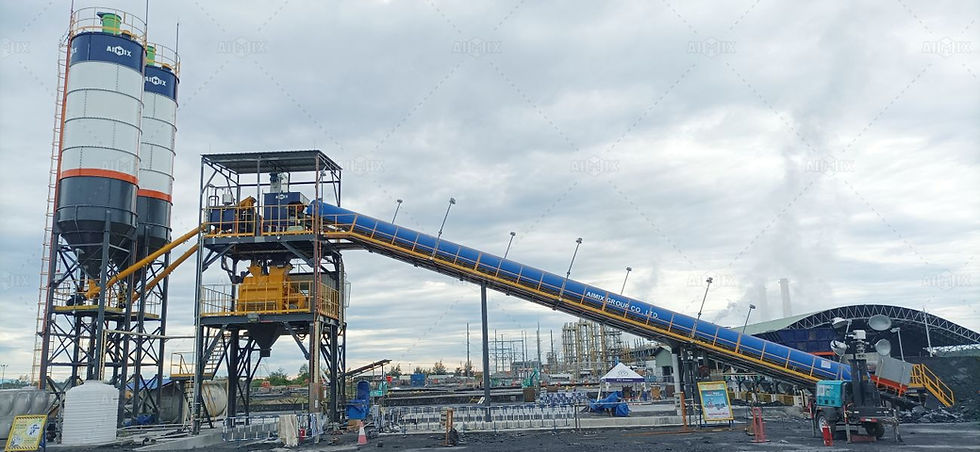
Energy Costs and Ready Mix Concrete Plant Profit Margin
Energy expenses directly influence the cost of producing each cubic meter of concrete. When electricity or fuel prices increase, plants with high energy consumption may experience greater pressure on their operating margins.
For a commercial ready mix supplier, the relationship is straightforward: lower energy consumption can reduce production costs, while stable production efficiency allows the company to maintain more competitive concrete prices.
This can have a direct effect on the ready mix concrete plant profit margin. However, energy is only one component of profitability. Raw materials, labor, transportation, equipment maintenance, depreciation, financing, and local concrete prices must also be considered.
A useful approach is to evaluate energy consumption together with production output. A plant that consumes slightly more power but produces significantly more concrete in the same operating period may still deliver a lower energy cost per cubic meter.
How to Improve Energy Efficiency
Several practical measures can help control energy-related operating costs.
First, select equipment according to actual production requirements. Avoid choosing excessively large motors or production systems simply because they provide higher theoretical capacity.
Second, maintain the mixer and conveying systems properly. Worn mixing components, damaged conveyor parts, poor lubrication, and excessive material buildup can increase resistance and reduce efficiency.
Third, minimize idle operation. Coordinating aggregate feeding, mixing, and discharge can prevent motors and auxiliary equipment from running unnecessarily when no concrete is being produced.
Fourth, use automated control systems where appropriate. Automated sequencing can coordinate different production stages and help reduce operational errors and unnecessary equipment running time.
Finally, monitor energy consumption regularly. Tracking electricity or fuel consumption against concrete output can help operators identify abnormal consumption and determine whether maintenance or configuration adjustments are required.
Choosing Ready Mix Concrete Plant Companies
The choice of supplier can also influence long-term energy performance. Experienced ready mix concrete plant companies should be able to provide more than an equipment price. They should help customers select appropriate capacity, mixer configuration, conveying systems, automation level, and auxiliary equipment based on actual project requirements.
When comparing suppliers, buyers should ask for information about motor power, expected production capacity, energy-saving features, maintenance requirements, and recommended operating conditions. It is also useful to compare the total cost of ownership rather than simply comparing the initial quotation.
A reliable supplier can help balance equipment investment with operating efficiency, making the plant more economical throughout its service life.
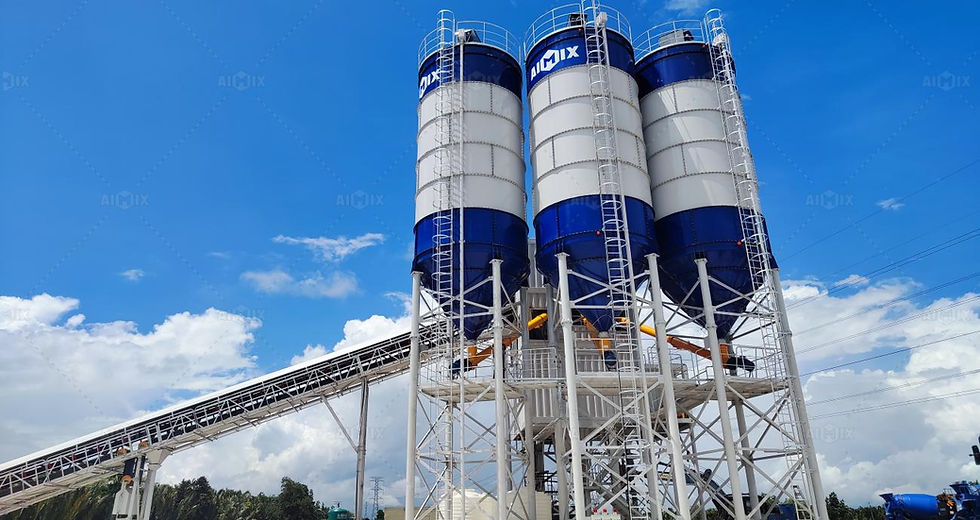
Initial Cost vs. Long-Term Profitability
A plant with a higher initial ready mix concrete plant cost may sometimes provide better long-term value if it offers improved mixing efficiency, lower energy consumption, greater automation, and more reliable operation. Conversely, choosing the cheapest equipment without considering operating costs may result in higher expenses over time.
For this reason, investors should evaluate the plant using a long-term perspective. The key question is not simply, “How much does the plant cost?” but rather, “How much will it cost to produce each cubic meter of concrete throughout the plant’s operating life?”
By combining an appropriate plant configuration with efficient equipment, preventive maintenance, and effective production management, concrete producers can control energy expenses while maintaining stable output. This approach can ultimately support a stronger ready mix concrete plant profit margin and a more sustainable return on investment.

Comments