


How Much Does a Concrete Batch Plant Cost—and Which Configuration Delivers the Best Value?
One of the first questions investors ask before entering the concrete industry is: How much does a concrete batch plant cost? The answer depends on many factors, including production capacity, plant type, mixer configuration, automation level, material storage systems, and local project requirements. Prices can range from tens of thousands of dollars for small plants to several hundred thousand dollars for large commercial systems.
However, focusing only on the purchase price can lead to costly mistakes. The best investment is not necessarily the cheapest plant or the largest model—it is the configuration that matches your production goals, site conditions, and future business plans. Understanding how different configurations affect both initial investment and long-term operating costs is the key to maximizing value.

What Factors Influence the Cost of a Concrete Batch Plant?
The capacity of the plant is one of the biggest factors affecting cost. Small plants with capacities of 25–60 m³/h require lower investment and are suitable for contractors supplying residential or small commercial projects. Medium plants in the 60–120 m³/h range are commonly used by ready mix companies, while large plants above 120 m³/h are designed for high-volume commercial concrete production and infrastructure projects.
Plant type also influences pricing. Mobile batching plants generally require less foundation work and can be relocated easily, making them suitable for contractors working at multiple job sites. Stationary plants, while requiring more installation work, provide greater production stability and larger output capacities for long-term operations.
The choice of mixer also affects investment costs. Twin-shaft mixers are widely used for commercial concrete production because of their high mixing efficiency and consistent concrete quality. Planetary mixers are often selected for precast applications, while simpler configurations may reduce initial costs but limit production flexibility.
Which Configuration Delivers the Best Value?
The best value does not come from purchasing the lowest-priced equipment. Instead, it comes from selecting a batching plant that balances investment, productivity, operating costs, and future expansion opportunities.
For contractors supplying local construction projects, a 60–90 m³/h stationary plant equipped with a twin-shaft mixer, automatic control system, and adequate cement storage often provides an excellent balance between investment and productivity. This configuration offers enough capacity for most residential and commercial projects while avoiding unnecessary expenses.
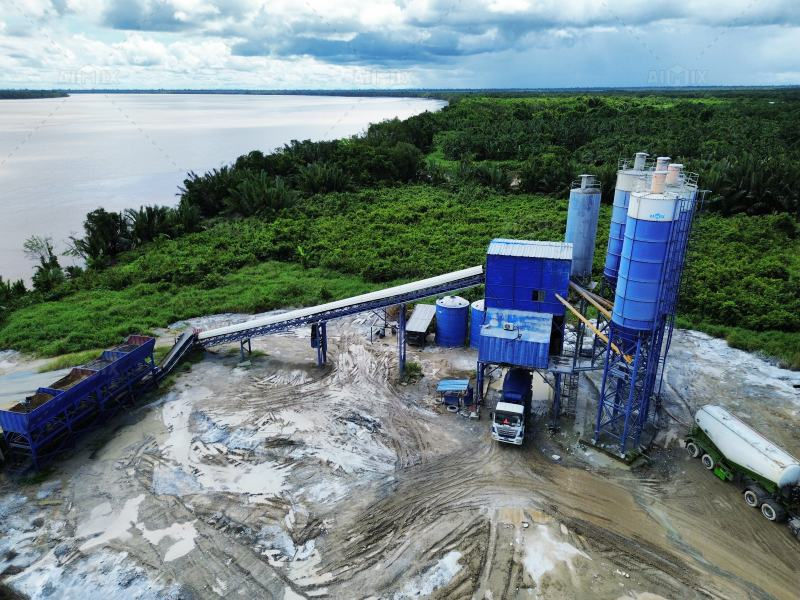
Ready mix suppliers serving multiple customers or large infrastructure projects may benefit from a 120–180 m³/h plant with belt feeding systems, larger aggregate storage, advanced automation, and multiple cement silos. Although the initial investment is higher, these features improve efficiency, reduce labor costs, and increase daily output.
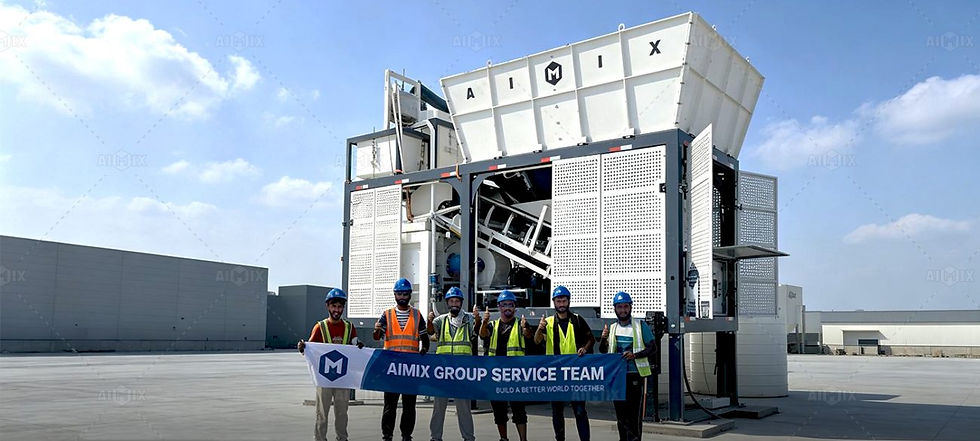
Quick installation or modular batching plants are another valuable option. These systems reduce foundation requirements, shorten installation time, and lower relocation costs, making them attractive for contractors managing projects in different locations.

Consider Total Cost Instead of Purchase Price
Many buyers compare quotations without considering the total cost of ownership. In reality, transportation, installation, foundations, labor, energy consumption, maintenance, spare parts, and downtime can significantly affect profitability.
A batching plant with better automation and higher-quality components may cost more initially but reduce operating costs over many years. Accurate weighing systems minimize material waste, efficient mixers shorten cycle times, and reliable components reduce maintenance expenses.
When calculating investment returns, buyers should evaluate the cost per cubic meter of concrete produced rather than focusing solely on the purchase price. This approach provides a more realistic picture of long-term value.
Regional Requirements Also Affect Configuration Choices
Local market conditions often determine which batching plant configuration delivers the best return. For example, a concrete batching plant in Dubai may require special features to withstand high temperatures, dust, and intensive production schedules. Additional cooling systems, dust collection equipment, and durable components may increase the initial investment but improve long-term reliability.
In regions with limited infrastructure or remote project locations, mobile or quick installation plants may provide better value because they reduce transportation and foundation costs. Therefore, the best configuration is always influenced by local environmental conditions, labor availability, and project requirements.
Understanding these regional differences is important when comparing quotations from different suppliers. A lower-priced plant may not include the features necessary for efficient operation under specific site conditions.
How to Start a Concrete Batching Plant Successfully
Many investors researching how to start a concrete batching plant focus primarily on equipment prices, but success depends on much more than buying machinery. A profitable operation begins with market research, demand analysis, and careful planning.
Investors should evaluate local concrete demand, project types, transportation distances, raw material availability, and competition before selecting equipment. Choosing the right location for the plant is equally important because efficient logistics directly influence production costs and delivery efficiency.
After determining market requirements, buyers can select a suitable batching plant configuration that balances investment with expected production demand. It is often better to choose a system that allows future expansion rather than purchasing oversized equipment at the beginning.
Reliable suppliers also provide installation support, operator training, spare parts supply, and technical services, all of which contribute to stable long-term operation.

Choose Value, Not Just Price
So, how much does a concrete batch plant cost? The answer depends on capacity, configuration, automation, installation requirements, and local conditions. More importantly, the best investment is not defined by the lowest price but by the value the equipment creates over its entire service life.
Whether you are planning a concrete batching plant in Dubai, exploring opportunities in emerging markets, or learning how to start a concrete batching plant, selecting the right configuration is essential for long-term profitability. By focusing on productivity, reliability, operating efficiency, and future growth rather than purchase price alone, investors can build a more successful and sustainable concrete business.

Comments