


Portable Concrete Batching Plants for Remote Construction Sites: Challenges and Solutions
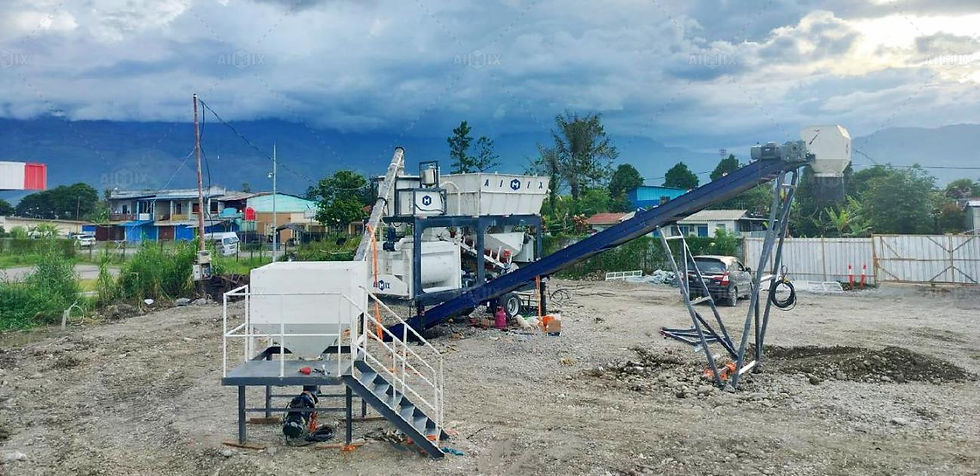
Remote construction projects present unique logistical and operational challenges that can significantly impact project schedules, costs, and concrete quality. Whether building highways, mining infrastructure, wind farms, dams, or rural housing developments, contractors often face limited access to ready-mix suppliers, unreliable transportation routes, and harsh environmental conditions. A portable concrete batching plant provides an effective solution by producing fresh concrete directly on-site, reducing transportation dependency while ensuring consistent concrete quality. In regions with vast construction areas such as Australia, many contractors also consider a mobile concrete batching plant Australia solution because of its ability to relocate efficiently between multiple job sites while maintaining stable production.

Limited Access to Ready-Mix Concrete Supply
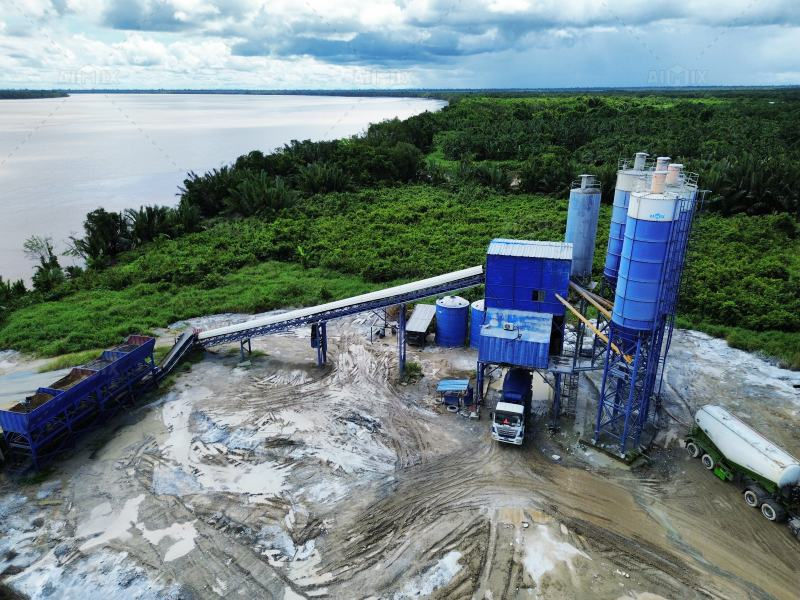
One of the biggest challenges at remote construction sites is the long distance from commercial ready-mix plants. Transporting concrete over hundreds of kilometers increases delivery costs and often results in delayed placement. Since concrete begins to lose workability after mixing, long transportation times may compromise strength and durability.
Installing a portable concrete batching plant at the project location eliminates these issues by allowing concrete to be produced exactly when needed. Fresh concrete can be delivered immediately to pouring locations, improving construction efficiency while minimizing waste caused by rejected or hardened batches.
In Australia, remote mining operations and regional infrastructure developments frequently rely on mobile concrete batching plant Australia solutions because they can serve isolated projects where permanent concrete plants are not economically feasible.
Difficult Transportation and Site Mobility
Remote construction sites are often connected by temporary roads, gravel tracks, or mountainous routes that make transporting heavy equipment difficult. Traditional stationary batching plants require extensive dismantling and reconstruction whenever a project moves, resulting in higher labor costs and equipment downtime.
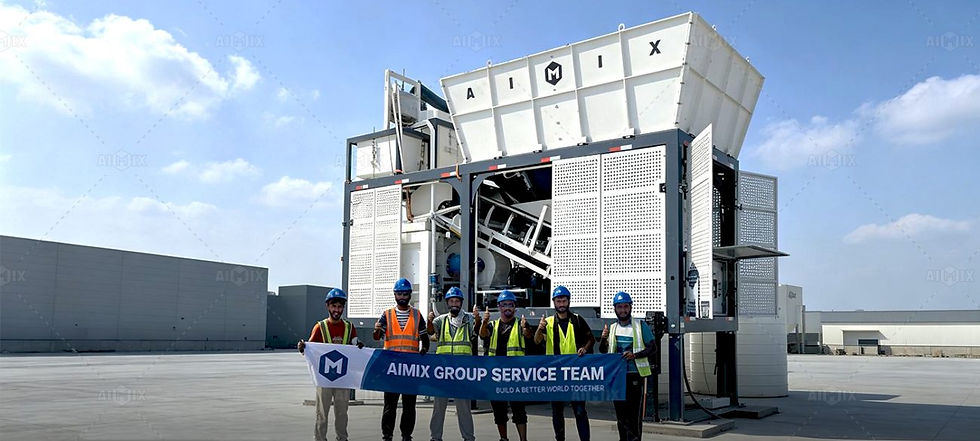
Portable concrete batching plants are specifically designed for easy transportation. Many components are integrated into modular units or trailer-mounted frames, allowing them to be moved using standard trucks with minimal disassembly. This design significantly reduces relocation time between project phases.
For contractors handling multiple infrastructure projects across different regions, a mobile batching solution provides greater flexibility. A mobile concrete batching plant Australia configuration is particularly suitable for road construction contractors who frequently relocate equipment between highway, bridge, and regional development projects.
Harsh Environmental Conditions
Remote job sites frequently experience extreme temperatures, strong winds, dust, and limited utility infrastructure. These environmental factors can negatively affect equipment performance and concrete production consistency if the batching plant is not properly designed.
Modern portable concrete batching plants incorporate enclosed weighing systems, dust collection equipment, insulated control cabins, and weather-resistant electrical components to maintain stable operation under challenging conditions. Water storage systems and generators can also be integrated to support sites without municipal utilities.
Additionally, automated PLC control systems continuously monitor batching accuracy, helping operators maintain consistent concrete quality despite changing environmental conditions. These features are especially valuable in Australia's mining regions, where high temperatures and dusty conditions require durable and reliable equipment.

Maintaining Concrete Quality in Remote Locations
Producing high-quality concrete consistently can be difficult when material supply varies and technical support is limited. Aggregate moisture content, cement weighing accuracy, and water dosage all directly influence concrete strength.
Portable concrete batching plants utilize computerized weighing systems to accurately measure aggregates, cement, water, and admixtures for every batch. Automated production reduces human error while ensuring repeatable mix designs throughout the project.
Many contractors operating mobile concrete batching plant Australia systems also incorporate moisture sensors, real-time production monitoring, and automatic recipe storage, allowing quality standards to remain consistent even when production teams rotate between different project locations.
Improving Project Efficiency and Cost Control
Although purchasing a portable concrete batching plant requires an initial investment, the long-term operational savings can be substantial for remote projects. Eliminating long-distance concrete transportation reduces fuel consumption, delivery charges, waiting time, and material waste.
On-site production also enables contractors to adjust daily concrete output according to construction progress. Instead of depending on external suppliers' schedules, project managers can produce concrete whenever required, improving coordination between batching, transportation, and placement.
For large-scale projects with multiple construction zones, relocating a mobile concrete batching plant Australia system can further improve equipment utilization, allowing one plant to support several projects over its service life while maximizing return on investment.
Conclusion
Remote construction sites require reliable concrete production solutions that can overcome transportation limitations, harsh environmental conditions, and changing project requirements. A portable concrete batching plant addresses these challenges by providing flexible installation, efficient relocation, accurate batching, and consistent concrete quality directly at the job site. Its modular design enables contractors to reduce logistics costs while maintaining continuous production in even the most isolated locations.
For contractors working across geographically dispersed projects, particularly in countries with vast land areas such as Australia, investing in a mobile concrete batching plant Australia solution offers additional advantages in mobility, productivity, and lifecycle cost efficiency. By combining portability with advanced automation and durable engineering, modern portable batching plants have become an essential asset for delivering successful remote construction projects on time and within budget.

Comments