


Why Two Concrete Batching Plants with Similar Capacity Have Different Costs
When comparing concrete batching plants, many buyers are surprised to find that two plants with similar production capacities can have significantly different prices. A 60 m³/h concrete batching plant from one supplier may cost much more or less than another supplier’s 60 m³/h model. This difference is not always caused by production capacity but by factors such as equipment configuration, component quality, automation level, installation requirements, and after-sales service. For investors entering the concrete batching plant business, understanding these cost differences is essential to making a profitable long-term investment decision.
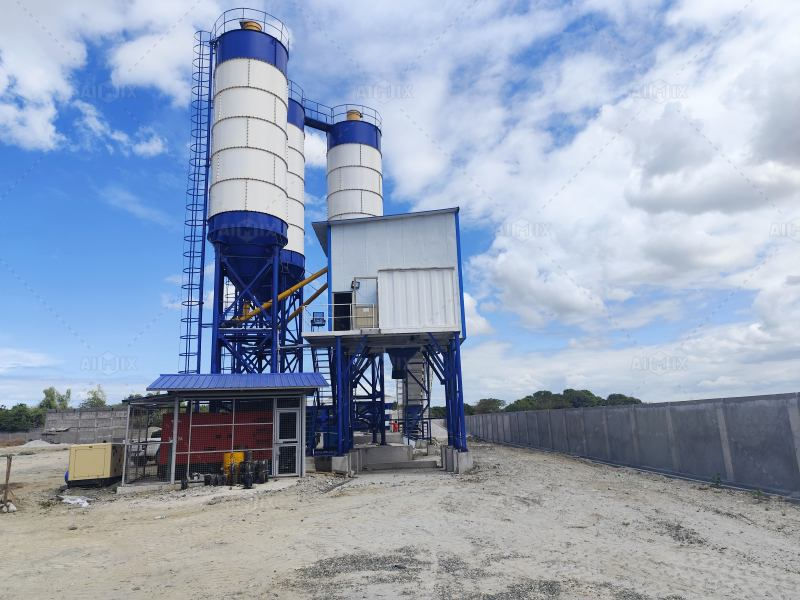
Different Equipment Configurations Lead to Different Prices
Production capacity is only one factor that determines the cost of a concrete batching plant. Two plants with the same output capacity may have different configurations, which directly affect their prices. For example, a 60 m³/h plant equipped with a high-performance twin shaft mixer, larger cement storage capacity, and advanced weighing system will usually cost more than a basic configuration with standard components.
The type of mixer is one of the most important factors. Twin shaft mixers are widely used for commercial concrete production because they provide strong mixing performance and consistent concrete quality. However, different mixer brands, models, and specifications can create significant price differences. A plant using internationally recognized components may require a higher initial investment but can provide better durability and lower maintenance costs.
Other components, including aggregate bins, conveyor systems, cement silos, screw conveyors, and additive systems, also influence the final price. Buyers should compare the complete technical configuration instead of only looking at the production capacity listed in the quotation.
Component Quality Affects Initial Investment and Long-Term Cost
The quality of components plays an important role in determining why similar-capacity concrete batching plants have different prices. A lower-priced plant may use standard components that meet basic production requirements, while a higher-priced plant may include stronger structures, better electrical components, and more reliable control systems.
For example, the weighing system directly affects concrete quality. High-precision sensors and stable weighing equipment can improve accuracy and reduce material waste. This is especially important for ready-mix companies that produce large volumes of concrete every day.
For customers developing a concrete batching plant business, equipment reliability is more important than simply purchasing the lowest-cost plant. Frequent downtime, replacement parts, and maintenance problems can increase operating expenses and reduce profitability. A higher-quality plant may have a higher purchase price but deliver better returns through stable operation and longer service life.

Automation Level Creates Cost Differences
Automation is another major factor affecting concrete batching plant prices. Plants with the same theoretical capacity can have different levels of automation, from semi-automatic systems to fully automatic production lines.
A basic control system may require more manual operation, while a fully automatic PLC control system can manage material weighing, mixing cycles, production records, and fault monitoring. Advanced systems improve production efficiency, reduce labor requirements, and provide more accurate concrete quality control.
In markets with high construction demand, such as the Middle East, many customers prefer automated solutions. For example, companies investing in a concrete plant UAE project often require reliable control systems, remote monitoring capabilities, and efficient production management because ready-mix operations usually involve strict delivery schedules and high daily output.
Although automation increases the initial cost, it can help businesses improve productivity and reduce operational risks over time.
Installation Requirements and Project Conditions Influence Costs
The final investment of a concrete batching plant is not limited to the equipment price. Installation requirements and project conditions can also create cost differences between similar plants.
A standard stationary batching plant may require concrete foundations, electrical installation, and site preparation. However, some modern designs use modular structures or quick installation systems that reduce construction time and labor costs.
Site location also affects the total investment. A plant installed in a remote construction area may require additional transportation, lifting equipment, and technical support. For overseas customers, shipping distance, customs clearance, and local installation conditions can significantly influence the total project cost.
Therefore, when comparing quotations, buyers should check whether the price includes installation, commissioning, training, spare parts, and transportation. A cheaper equipment quotation may not always represent a lower total project cost.
After-Sales Service and Supplier Support Add Value
Another reason why two similar-capacity plants have different prices is the level of supplier support. Reliable suppliers usually provide technical consultation, installation guidance, operator training, spare parts supply, and long-term maintenance support.
For businesses entering the concrete production industry, supplier support can directly affect operational success. A small technical issue can cause production delays and financial losses, especially for commercial concrete suppliers serving multiple construction projects.
When selecting equipment for a concrete batching plant business, buyers should evaluate the supplier’s experience, customer references, spare parts availability, and response speed. A supplier offering comprehensive service may charge a higher initial price but provide greater value throughout the plant’s operating life.
Regional Requirements Affect Concrete Batching Plant Costs
Different markets also have different requirements, which can influence equipment prices. Climate conditions, construction standards, and customer expectations vary from region to region.
For example, plants operating in hot and dusty areas may require additional protection systems, improved sealing, and stronger electrical components. In regions such as the Middle East, including the UAE, concrete plants often need designs suitable for high temperatures and continuous operation.
Similarly, customers in Southeast Asia may require corrosion-resistant structures because of humid and rainy conditions. These customized requirements increase equipment costs but improve reliability in local environments.

How to Compare Concrete Batching Plant Costs Correctly
When comparing two concrete batching plants with similar capacities, buyers should not focus only on the quoted price. A complete evaluation should include equipment configuration, component quality, automation level, installation requirements, operating costs, and supplier services.
For investors planning a concrete batching plant business, choosing the right equipment is a long-term decision. A slightly higher initial investment in a reliable and efficient plant can lead to lower maintenance expenses, better production performance, and higher profitability.
Understanding the factors behind price differences helps buyers select a concrete batching plant that matches their project needs and business goals. Instead of choosing only the cheapest option, a balanced evaluation of cost, quality, and long-term value is the key to achieving a successful concrete production operation.

Comments