


Can a 100 TPH Asphalt Mixing Plant Mix 30% RAP For Highway Projects In South Africa?
Highway contractors in South Africa face a very practical question today. They need to reduce material costs, meet environmental targets, and still deliver durable road surfaces under heavy traffic conditions. Because of this, many engineers and project owners start to ask a critical question: can a 100 TPH asphalt manufacturing plant successfully handle 30% RAP for highway projects in South Africa?
This is not just a technical question. It directly affects project budgets, production stability, and long-term pavement performance. In this article, we break down real operational conditions, plant capability, and field-level considerations so you can clearly understand what works and what does not in real highway construction scenarios.

Understanding 100 TPH Asphalt Plant Capability And 30% RAP Usage
A 100 TPH asphalt plant for sale in South Africa is widely used for medium to large highway and urban road projects. It offers a balanced output that fits continuous paving schedules without excessive fuel consumption or oversized infrastructure. However, when RAP (Reclaimed Asphalt Pavement) enters the mix, things become more complex.
RAP is not fresh material. It contains aged bitumen, variable aggregate sizes, and inconsistent moisture content. Therefore, mixing 30% RAP is not only about plant capacity. It is also about heating control, recycling system design, and mix stability.
To connect these points, we need to look at how RAP actually behaves inside a production system and why 30% becomes a critical threshold in highway-grade work.
What 30% RAP Really Means In Highway Projects
In practical highway engineering terms, 30% RAP means nearly one-third of your asphalt mix comes from recycled materials. This significantly reduces virgin aggregate demand and bitumen consumption. However, it also introduces variability into the mix design.
In South Africa, where highways often experience high temperature variation and heavy axle loads, consistency becomes even more important. So while 30% RAP is technically achievable, it requires controlled production conditions and a properly configured asphalt plant.
South African Highway Conditions And RAP Challenges
South Africa presents unique challenges for asphalt production. High solar radiation, regional temperature differences, and long-distance transport routes all influence pavement performance. Because of this, contractors must carefully evaluate whether high RAP content will affect durability.
To transition into plant requirements, we must first understand the main RAP-related challenges in this region.
Moisture Variability And Material Quality
RAP stockpiles in South Africa often come from milling old highways under different environmental conditions. This creates inconsistent moisture levels. If the plant cannot control drying properly, the final mix may show weak bonding or uneven temperature distribution.
This is why temperature stability becomes the key factor when using 30% RAP in a 100 TPH plant.
Bitumen Aging And Rejuvenation Needs
Aged bitumen in RAP loses elasticity over time. Without proper rejuvenation or mix adjustment, the pavement may become brittle. In highway projects, this increases cracking risk under heavy traffic loads.
Therefore, contractors must consider whether their plant setup supports additives or modified binder systems before committing to 30% RAP usage.

Can A 100 TPH Plant Technically Handle 30% RAP?
The short answer is yes, but only under the right configuration. A standard 100 TPH asphalt plant can process RAP, but not all plants can maintain stable production at 30% RAP content without modifications.
To make this clearer, let’s break down the key system requirements that determine success or failure.
Drum And Heating System Design
The dryer drum plays a central role in RAP production. When RAP enters the system, it cannot be exposed to direct flame. Otherwise, bitumen will burn and emissions will increase.
Modern 100 TPH asphalt hot plants often use a parallel flow drum or a dedicated RAP recycling ring. This allows indirect heating and controlled temperature blending, which is essential for 30% RAP mixes.
Burner Control And Temperature Stability
RAP absorbs heat differently compared to virgin aggregates. Therefore, burner stability becomes critical. If temperature fluctuates too much, the mix will lose consistency and compaction quality on site will suffer.
This is why advanced burner systems with automatic adjustment perform better in high RAP highway projects.
Cold Feed System Accuracy
At 30% RAP content, dosing accuracy matters more than ever. Even a small deviation can affect asphalt gradation. A reliable cold feed system ensures RAP and virgin aggregates are blended in correct proportions before heating begins.
This directly improves mix uniformity and reduces rejection rates on site, especially for highway paving projects that demand strict quality control.
Production Workflow For 100 TPH Plant With 30% RAP
Now that we understand the equipment requirements, let’s look at how a typical production cycle works in real highway projects. This helps contractors visualize the actual process on site.
Step 1: Material Pre-Processing
RAP is first screened and stored to remove oversized chunks and contaminants. This step ensures consistent feeding into the plant. Without this step, blockages and inconsistent heating can occur.
Step 2: Controlled Feeding Ratio Setup
Operators set the RAP ratio at 30% and adjust virgin material feed accordingly. This balance must stay stable throughout production to maintain mix design integrity.
Step 3: Indirect Heating And Drying
RAP enters a controlled heating zone where it is warmed without burning the binder. At the same time, virgin aggregates pass through a separate drying process. This dual system ensures temperature balance.
Step 4: Mixing And Binder Addition
After heating, materials enter the mixing chamber. Fresh bitumen and additives are injected to restore performance properties. This step is critical for ensuring highway durability under South African traffic conditions.
Step 5: Storage And Continuous Supply
Finally, the finished mix is stored in hot silos and delivered to paving sites. A stable 100 TPH output ensures continuous paving without interruption, which is essential for highway deadlines.
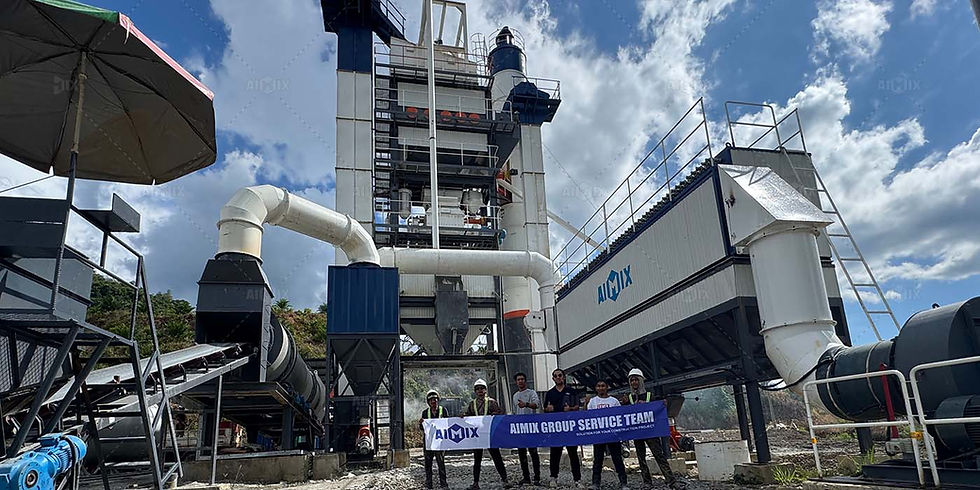
Cost Efficiency And Environmental Benefits In South Africa
One of the main reasons contractors choose 30% RAP is cost reduction. Virgin bitumen is expensive, especially in large highway projects. By integrating RAP, contractors reduce raw material costs significantly.
However, the benefit is not only financial. South Africa also promotes sustainable construction practices. Using RAP reduces landfill waste and lowers carbon emissions from aggregate production.
At the same time, contractors must ensure that cost savings do not compromise road performance. Therefore, balancing sustainability with durability becomes a key decision factor.
Common Mistakes When Using 30% RAP In 100 TPH Plants
Even though the technology is available, many projects still fail to achieve stable results due to operational mistakes. Understanding these mistakes can help avoid costly downtime and pavement failures.
Ignoring Moisture Content Control
RAP moisture directly affects heating efficiency. If contractors ignore this factor, fuel consumption increases and mix quality drops.
Overheating The RAP Material
Excess heat damages aged bitumen further. This reduces binding strength and leads to early pavement cracking.
Incorrect Mix Design Adjustment
Many contractors use standard mix designs without adjusting for RAP variability. This leads to inconsistent gradation and poor compaction results on site.
By avoiding these mistakes, contractors can significantly improve performance and project outcomes.

When Is 30% RAP The Right Choice?
Not every highway project requires 30% RAP. It works best when material supply is stable, plant configuration supports indirect heating, and quality control systems are in place.
In South Africa, it is especially suitable for medium to long-term highway rehabilitation projects where cost efficiency and sustainability are both priorities.
However, for high-precision surface layers or extreme load corridors, engineers may reduce RAP content to maintain maximum performance reliability.
Conclusion: Is It Feasible For Highway Projects In South Africa?
A 100 TPH asphalt mixing plant can mix 30% RAP for highway projects in South Africa, but success depends on proper plant configuration, strict process control, and accurate mix design management. It is not just about equipment capacity. It is about how well the entire production system is optimized for recycled materials.
When contractors invest in the right technology and operational discipline, 30% RAP becomes a powerful tool for reducing cost, improving sustainability, and maintaining highway construction efficiency.
If you are planning a highway project and want to evaluate whether a 100 TPH RAP-capable asphalt plant is suitable for your conditions, our team can help you design a tailored solution based on your project scale, material supply, and performance requirements. Contact us to discuss your project in detail and get a practical configuration that fits your real construction needs.


Comments