


Is Stationary Asphalt Plant Better For Long-Term Highway Projects In USA?
Long-term highway construction in the United States demands stability, high production capacity, strict quality control, and consistent material supply. Contractors often face a key decision at the early stage of planning: should they choose a stationary asphalt plant or a mobile one? This choice directly affects project cost, production efficiency, and long-term operational stability.
In large infrastructure projects such as interstate highways, urban expressways, and state highway expansions, production demand usually stays high for months or even years. Therefore, selecting the right asphalt mixing solution becomes more than a technical decision—it becomes a strategic investment. In this article, we will explore whether a stationary asphalt mix plant is truly better for long-term highway projects in the USA, and why many contractors prefer it for large-scale road construction.
To understand the answer clearly, we first need to look at what a stationary asphalt plant is and how it works in real construction environments.

What Is A Stationary Asphalt Plant And How It Works
A stationary asphalt plant is a fixed installation designed for large-scale and long-term asphalt production. Unlike mobile plants, it stays in one location throughout the project lifecycle. Contractors usually install it near major highway construction zones or centralized material supply areas.
The plant continuously produces hot mix asphalt by heating aggregates, drying materials, and mixing them with bitumen under controlled conditions. Because it remains fixed, it allows larger equipment integration, higher production capacity, and more advanced automation systems.
Now that we understand the basic structure, it becomes easier to evaluate how it fits long-term highway demands in the USA.
Why Long-Term Highway Projects In USA Demand High Stability
Highway projects in the USA often stretch across multiple years and cover hundreds of miles. These projects require uninterrupted asphalt supply, strict compliance with federal and state standards, and consistent mix quality across different construction phases.
Moreover, contractors must manage multiple paving teams, schedule coordination, and seasonal weather conditions. Any interruption in asphalt supply can delay the entire project and increase costs significantly. Therefore, stability becomes a key factor when selecting an asphalt production system.
This operational reality leads many contractors to consider stationary asphalt plants as a more reliable long-term solution.
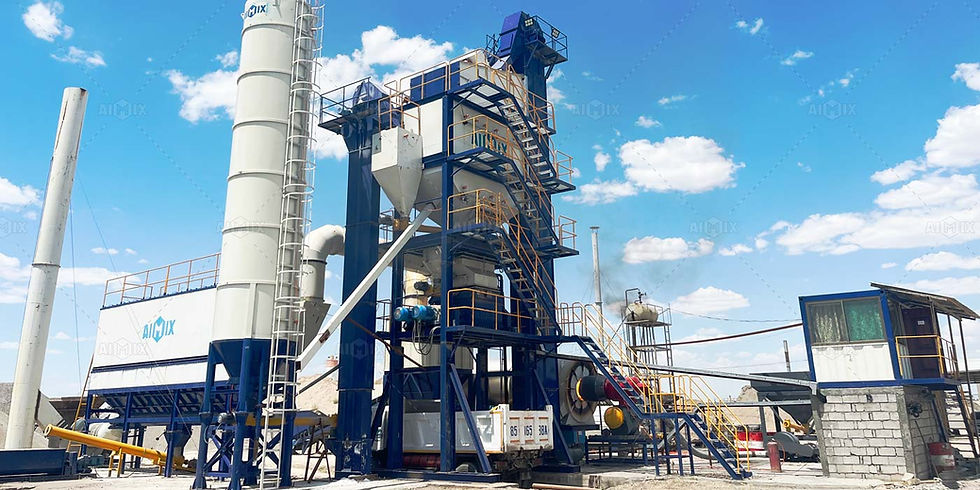
Advantages Of Stationary Asphalt Plant For Long-Term Projects
When we analyze performance from a contractor’s perspective, stationary asphalt plants offer several advantages that directly align with long-term highway construction needs. Let’s explore these benefits step by step and understand why they matter in real projects.
High Production Capacity For Continuous Supply
Stationary asphalt plants typically support high production outputs, ranging from 100 TPH to over 400 TPH depending on configuration. This allows contractors to supply large paving crews without interruption.
For long highway sections, this consistency becomes critical. As production demand increases, the asphalt plant for sale in USA can maintain stable output without frequent relocation or setup adjustments. As a result, contractors achieve smoother workflow and better project scheduling.
Better Quality Control And Mix Consistency
Quality consistency plays a major role in highway durability. Stationary plants allow more advanced control systems, including precise temperature control, automated mixing ratios, and continuous monitoring systems.
Because the plant operates from a fixed location, engineers can fine-tune production settings over time. This leads to more stable asphalt quality across different batches, which is essential for highway safety and long-term performance.
As quality stability improves, maintenance costs for finished roads also decrease, creating long-term economic benefits.
Stronger Integration With Material Supply Chains
In large U.S. highway projects, material logistics often determine project efficiency. Stationary plants integrate better with local aggregate suppliers, storage systems, and transportation routes.
Contractors can build dedicated supply chains around the plant location. This reduces transportation delays and lowers per-ton asphalt cost. Over time, this integration improves project efficiency and reduces operational risks.
Now that we have covered production and logistics advantages, we can move further into cost and long-term investment considerations.
Cost Efficiency In Long-Term Highway Construction
At first glance, stationary asphalt plants require higher initial investment compared to mobile plants. However, long-term highway projects change this cost equation significantly.
When production runs continuously for months or years, the cost per ton of asphalt decreases due to stable operation and reduced downtime. In addition, maintenance becomes more predictable because the equipment does not require frequent relocation.
Contractors also save costs in logistics, fuel consumption, and labor coordination. Over time, these savings can outweigh the initial investment difference.
Therefore, from a lifecycle cost perspective, stationary asphalt plants often deliver stronger financial performance for long-term projects in the USA.
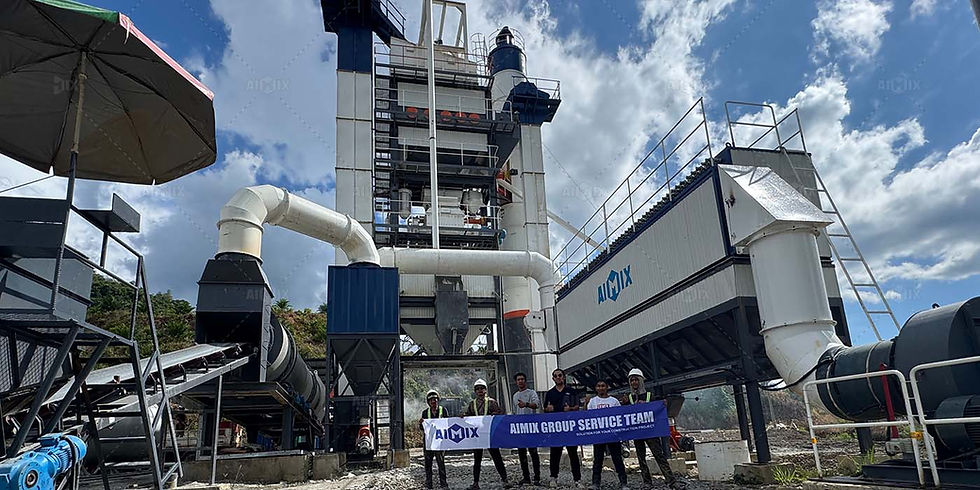
Stationary Vs Mobile Asphalt Plant: Which Fits Better?
To make a practical decision, contractors often compare stationary and mobile asphalt plants directly. Both have strengths, but their suitability depends on project type and duration.
When Mobile Plants Make More Sense
Mobile asphalt plants work well for short-term or remote projects. They offer flexibility and quick setup, which helps when project sites change frequently. However, they often have lower capacity and limited automation compared to stationary systems.
Therefore, they suit temporary road repairs or small municipal projects rather than long highway construction.
Why Stationary Plants Lead In Long-Term Projects
In contrast, stationary plants outperform mobile systems when projects require continuous production and high output. They provide stronger control, better quality stability, and lower long-term cost per ton.
For this reason, many highway contractors in the USA prefer stationary plants for interstate highways, toll roads, and large infrastructure corridors.
This comparison clearly shows that project duration and scale play a decisive role in equipment selection.
Key Factors Contractors Should Consider Before Choosing
Before investing in an asphalt premix plant, contractors should evaluate several important factors. These factors directly influence project success and long-term profitability.
Project Duration And Scale
If the project lasts more than one year and requires continuous paving, stationary plants usually provide better performance. Larger projects benefit more from stable production systems.
Material Availability And Site Location
Contractors should also consider the distance between raw material sources and the plant site. A well-positioned stationary plant can significantly reduce transport costs and improve efficiency.
Production Demand Forecast
Estimating daily and monthly asphalt demand helps determine required plant capacity. Underestimating demand can lead to delays, while overestimating increases unnecessary costs.
By carefully evaluating these factors, contractors can make more informed decisions aligned with real project needs.

Practical Challenges Of Stationary Asphalt Plants
Although stationary plants offer many advantages, they also come with challenges that contractors must manage effectively.
First, installation requires more time and planning compared to mobile plants. Site preparation, foundation work, and infrastructure setup take effort and coordination.
Second, relocation is difficult. Once installed, the plant is designed to remain in place for long periods. Therefore, it suits stable and long-term project environments only.
However, these challenges become less significant when balanced against long-term production efficiency and cost savings.
Conclusion: Is Stationary Asphalt Plant Better For Long-Term Highway Projects In USA?
Based on production capacity, quality control, cost efficiency, and long-term operational stability, stationary asphalt plants clearly provide stronger advantages for long-term highway projects in the USA.
While mobile plants offer flexibility for short-term or small-scale jobs, they cannot match the consistency and efficiency required for multi-year highway construction. Stationary plants support continuous production, better logistics integration, and lower lifecycle costs.
For contractors aiming to improve project efficiency, reduce long-term expenses, and ensure consistent asphalt quality, a stationary asphalt plant often becomes the more strategic choice.
If you are planning a long-term highway project and want a tailored asphalt production solution, choosing the right plant configuration can significantly improve your project outcome. Contact a professional equipment supplier to evaluate your project needs and design a system that matches your production goals and construction timeline.


Comments