


What Asphalt Plant Capacity Is Required For Expressway Construction In Vietnam?
- aimixglobal5
- Mar 16
- 6 min read
Vietnam has experienced rapid growth in highway and expressway construction over the past decade. Large infrastructure programs such as the North–South Expressway project continue to reshape the country’s transportation network. As a result, contractors, investors, and construction companies often ask an important question before starting a project: What asphalt plant capacity is required for expressway construction in Vietnam?
Choosing the right asphalt plant capacity is not only about production speed. It also affects construction schedules, logistics costs, mixture quality, and overall project profitability. If the capacity is too small, the paving team must wait for materials. If the capacity is too large, the investment may become unnecessary and increase operational costs.
Therefore, contractors need a practical approach to determine the suitable asphalt plant capacity for expressway projects in Vietnam. In this article, we analyze typical highway paving requirements, production calculations, and equipment configurations that match the real conditions of Vietnamese road construction projects.

Understanding Expressway Construction Demand In Vietnam
Before selecting an asphalt plant capacity, contractors must understand the scale and pace of expressway construction in Vietnam. Each project has different requirements depending on road length, lane width, pavement structure, and construction schedule.
Most modern Vietnamese expressways follow international highway standards. They usually include four to six lanes and require high-quality asphalt pavement. Because of this, the demand for hot mix asphalt becomes quite large during peak construction periods.
Typical Expressway Specifications
To better understand production demand, let us examine a typical expressway section in Vietnam:
• Road width: 24–30 meters (4–6 lanes)
• Asphalt thickness: 18–25 cm total pavement layers
• Daily paving length: 300–800 meters depending on schedule
• Asphalt mixture consumption: 1,800–4,000 tons per day
These figures show that expressway projects require stable and continuous asphalt production. Therefore, contractors usually choose medium to large capacity asphalt plants to support efficient paving operations.
However, capacity selection does not rely only on project scale. The construction schedule and number of paving teams also influence the final decision.

How To Calculate Asphalt Production Requirements For Expressways
Once contractors understand project specifications, they can estimate the required asphalt output. This step helps determine the appropriate plant capacity.
In most highway projects, engineers calculate asphalt demand using pavement thickness, road width, and paving length. This calculation provides a reliable estimate of daily asphalt consumption.
Example Production Calculation
Let us consider a typical expressway paving scenario in Vietnam:
• Road width: 25 meters
• Asphalt thickness: 20 cm (0.2 m)
• Daily paving length: 500 meters
First, calculate the paving volume:
25 m × 500 m × 0.2 m = 2,500 m³ asphalt mixture
Next, convert volume to weight. Asphalt mixture density is usually around 2.35 tons per cubic meter.
2,500 m³ × 2.35 = 5,875 tons per day
Now assume the construction team works 10 hours per day.
5,875 ÷ 10 = about 590 tons per hour
This example shows that large expressway sections may require several asphalt plants or multiple paving sections operating simultaneously. However, in many cases contractors divide the project into several working zones. As a result, each asphalt plant usually supplies between 120 TPH and 320 TPH.
Therefore, selecting the correct plant capacity requires balancing project demand and equipment efficiency.

Common Asphalt Plant Capacities Used In Vietnam Expressway Projects
After understanding the production calculation, we can look at the asphalt plant capacities most commonly used in Vietnamese expressway construction. In practice, contractors select equipment based on flexibility, mobility, and project scale.
120 TPH Asphalt Mixing Plant
The 120 tons per hour asphalt plant remains one of the most widely used models in Vietnam. Many regional contractors choose this capacity because it offers a good balance between investment cost and production output.
A 120 TPH plant typically produces 900–1,000 tons of asphalt mixture during a normal working shift. This capacity suits several scenarios:
• Small expressway sections
• Ramp construction
• Service road paving
• Provincial highway connections
However, for large national expressway segments, this capacity may become insufficient when construction speed increases.
160 TPH Asphalt Mixing Plant
Next, the 160 TPH asphalt plant has become increasingly popular for medium-scale expressway projects in Vietnam. Many contractors prefer this configuration because it supports higher production without significantly increasing investment costs.
In most cases, a 160 TPH asphalt batch plant for sale can produce around 1,200–1,400 tons per day. This output works well for projects where one paving team operates continuously.
Furthermore, the plant maintains stable asphalt quality because batch production systems allow precise control of aggregate grading and bitumen content.
240–320 TPH Asphalt Mixing Plant
For large expressway packages or government infrastructure projects, contractors often install high-capacity asphalt plants between 240 and 320 tons per hour.
These plants support large paving teams and tight project schedules. They also reduce the risk of production delays during peak construction periods.
In addition, high-capacity plants can supply multiple pavers working simultaneously. This advantage becomes critical when contractors must complete several kilometers of pavement within a short time frame.
However, larger equipment requires higher investment and more complex logistics. Therefore, contractors should evaluate project duration and asphalt demand before choosing this capacity.

Key Factors That Influence Asphalt Plant Capacity Selection
Although production calculations provide useful guidance, real project conditions also affect asphalt plant capacity decisions. Several factors often influence the final equipment choice.
Project Duration And Construction Schedule
First, the project timeline plays a major role. If contractors must complete the expressway quickly, they usually select higher capacity plants to increase daily output.
On the other hand, long-term projects may allow moderate capacity equipment with flexible production planning.
Distance Between Plant And Construction Site
Transportation distance also affects plant capacity decisions. Asphalt mixture must remain hot during delivery to the paving site. Therefore, contractors usually install asphalt plants within 20–40 kilometers of the project area.
If the plant sits far away, trucks need more time for transportation. As a result, the plant must produce more mixture per hour to compensate for longer delivery cycles.
Number Of Paving Teams
Large expressway projects often use multiple pavers to accelerate construction. Each paving machine may consume 400–800 tons of asphalt mixture per day.
Therefore, when two or three paving teams work simultaneously, contractors usually install high-capacity asphalt plants or operate several plants in parallel.
Future Business Opportunities
Finally, many contractors consider future projects before selecting plant capacity. Instead of choosing the smallest possible plant, they often invest in slightly larger equipment that can support future highway or airport construction projects.
This strategy helps companies expand their construction capabilities and increase long-term profitability.

Why Batch Type Asphalt Plants Are Popular In Vietnam
After determining the appropriate capacity, contractors must also decide between batch type and drum mix asphalt plants. In Vietnam, most expressway contractors prefer batch type asphalt mixing plants.
There are several reasons for this preference.
Precise Asphalt Mixture Control
Batch plants allow accurate measurement of aggregates, filler, and bitumen. This precision ensures consistent asphalt mixture quality. Expressway projects require strict pavement performance standards, so quality control becomes essential.
Flexible Mix Design
Expressway construction often uses several asphalt mixtures, including base course, binder course, and surface course. Batch plants allow operators to switch formulas easily during production.
This flexibility makes batch plants ideal for highway paving projects in Vietnam.
Better Compliance With Government Standards
Vietnamese infrastructure projects usually follow strict technical specifications. Batch type asphalt plants help contractors meet these standards through controlled production and reliable quality management.
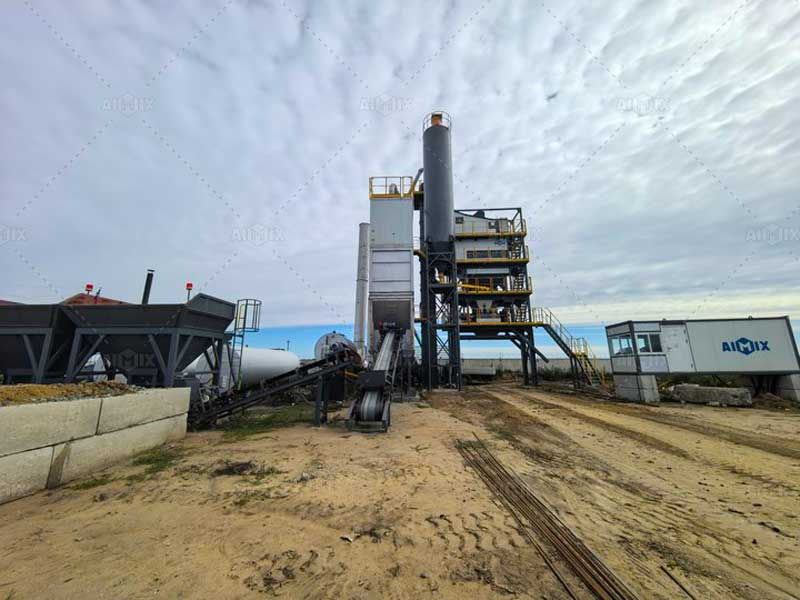
Choosing The Right Asphalt Plant Partner
Selecting the correct asphalt plant capacity represents only one part of the decision process. Contractors must also choose a reliable equipment supplier who understands local project conditions.
A professional asphalt plant supplier can help evaluate project scale, calculate production demand, and recommend suitable equipment configurations. In addition, strong after-sales service ensures smooth plant operation during critical construction periods.
Because expressway projects involve large investments and tight schedules, equipment reliability becomes extremely important.
Conclusion: Matching Asphalt Plant Capacity With Vietnam Expressway Construction Needs
Vietnam’s expressway development continues to accelerate, and asphalt production plays a key role in these infrastructure projects. Selecting the right asphalt plant capacity helps contractors maintain steady paving operations, control costs, and meet project deadlines.
In many cases, contractors choose asphalt plants between 120 TPH and 320 TPH depending on project scale, paving speed, and construction schedule. Medium-capacity plants often support regional projects, while high-capacity plants serve large national expressway sections.
If you are planning an expressway construction project in Vietnam, it is important to evaluate production demand carefully before investing in equipment. The right asphalt plant will not only support current construction needs but also create new opportunities for future infrastructure projects.
Looking for the right asphalt mixing plant for your highway project in Vietnam? Our engineering team can help you analyze project requirements and recommend the most suitable asphalt plant solution. Contact us today to discuss your project and receive a customized asphalt production plan that supports efficient, high-quality road construction.


Comments